

























































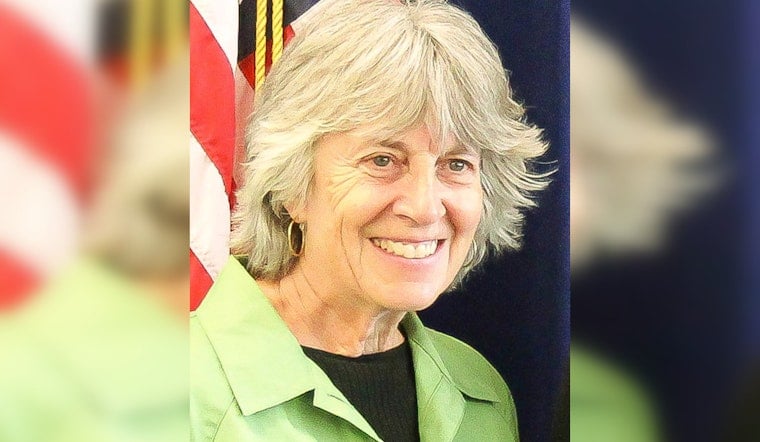
Karen Clark, a trailblazing Minneapolis lawmaker who became Minnesota’s first openly lesbian member of the Legislature, died Tuesday at 80 after a brief illness, the state announced. For nearly four decades, she represented neighborhoods on Minneapolis’ West Side before stepping down in 2019.
The Minnesota House confirmed her death and said she passed after a “brief illness,” according to KSTP. The announcement also noted that Clark and her partner, Jacquelyn Zita, had been together for 35 years, married for 11 of those years, and that the family has asked for privacy.
Clark was first elected in 1980 and served in the Minnesota House from 1981 until her retirement in 2019, according to the Minnesota Legislative Reference Library. Over that span, she became the longest-serving openly lesbian member of a state legislature in the United States.
Legislative Wins on LGBTQ Rights
Clark helped spearhead early efforts to protect LGBTQ Minnesotans. He played a central role in a 1993 amendment to the Minnesota Human Rights Act that barred discrimination on the basis of sexual orientation. In 2013 she was the House chief author of the bill that legalized same-sex marriage in Minnesota after voters rejected a proposed constitutional ban, as detailed by the Minnesota House Session Daily. Those back-to-back milestones cemented her reputation as one of the Capitol’s most persistent voices on civil rights.
Environmental Justice and Community Work
Beyond LGBTQ rights, Clark built a reputation as a champion of environmental justice. She sponsored workers’ right-to-know measures on toxic exposures and pushed for a Cumulative Health Impact Analysis to track how pollution affects entire neighborhoods rather than just individual sites. She also co-founded the Women’s Environmental Institute and, in later years, supported local efforts such as the East Phillips Roof Depot redevelopment, according to reporting from FOX 9.
Colleagues Remember Her
Former colleagues say Clark’s political style mixed fierce advocacy with quiet coalition-building. “I had the honor and privilege of learning from Rep. Clark,” former Rep. Zach Dorholt said, calling her “one of the strongest, kindest leaders in the Minnesota House.” His remarks, quoted by KSTP, reflect how Clark’s influence extended well beyond her own Minneapolis district.
Details about memorial plans have not yet been released, and the family has asked for privacy as they grieve. Clark’s death closes a major chapter in Minnesota politics, one defined by long service, landmark civil-rights victories and a relentless focus on environmental health in low-income neighborhoods.




