

























































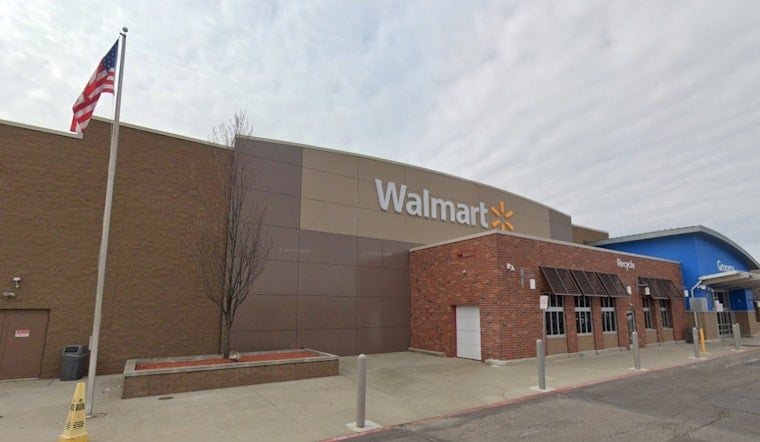
A quick favor at a Troy Walmart turned into a four-figure hit for one shopper after what was supposed to be a $50 tap-to-pay donation for a college tour ballooned into a $1,000 charge on her account.
The woman told police she was approached inside the store shortly after 6:30 p.m. on June 27 by two men asking for a donation. She agreed to tap her phone for what she believed was fifty bucks. Later that evening, she checked her account and found a $1,000 charge instead, then filed a police report. The case is now part of growing warnings about “ghost tapping,” a contactless-payment scam that consumer groups say can quietly drain accounts before victims realize what happened, according to the Detroit Free Press.
Michigan Attorney General spokesman Danny Wimmer told the Detroit Free Press that the office had not yet received formal complaints about ghost tapping, even as reports in other places have started to pile up.
How ‘ghost tapping’ works
Consumer advocates say scammers are increasingly leaning on portable card readers and bogus fundraising setups to pull off ghost-tapping schemes. The pitch often starts with something that sounds harmless, like a small donation or test charge, so victims feel rushed into tapping without taking a close look.
As outlined by Newsweek, reports to the BBB’s Scam Tracker describe surprise hits ranging from $537 to $1,100. Security firm McAfee notes that the trick relies on distraction, close physical proximity, and people breezing through on-screen confirmations without really reading them.
Protect your wallet
Consumer groups say the simplest defense is a firm “no.” Do not tap your phone or card for anyone who walks up to you uninvited, and do not hand your device or card to a stranger, no matter how urgent or sympathetic the story sounds.
Hoodline reported on similar cases and urges shoppers to slow down and double-check the merchant name and the amount on every tap-to-pay screen before approving. One Chicago-area trip that turned into a 5K tap-to-pay nightmare has become a cautionary tale, and the AARP Fraud Watch Network helpline at 877-908-3360 can help victims sort out their options, according to AARP.
If you think you have been hit by ghost tapping, consumer advocates recommend documenting everything as soon as you notice the problem. Take screenshots of any charges, write down what happened and when, file a police report and immediately open a dispute with your card issuer. The Troy woman has already filed a report, a step that is now part of broader warnings about the scam, as reported by the Detroit Free Press. Consumer groups say the faster victims speak up, the better their chances of getting the money back.





