

























































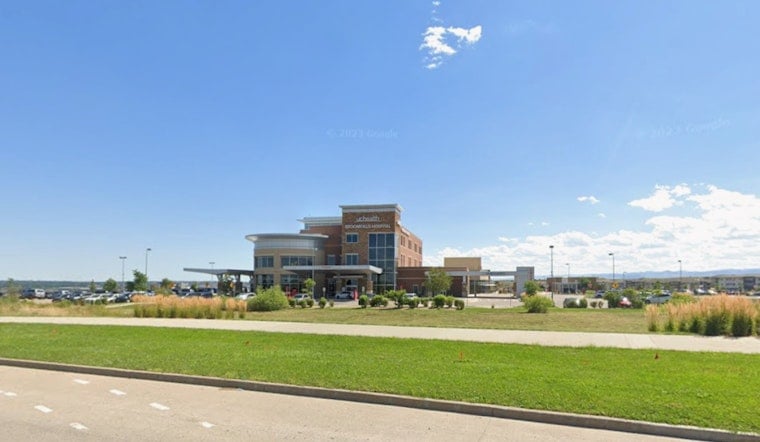
A new analysis from a national nurses' union has dropped a warning flare over a dozen Colorado hospitals, labeling them financially vulnerable as a trio of federal health care cuts approaches. The flagged facilities range from Front Range suburbs to small mountain and rural communities and include sites in systems such as UCHealth, Banner Health, Intermountain, and CommonSpirit. Hospital leaders and state officials are pushing back on any talk of imminent closures, even as advocates warn the policy changes could tighten an already uncomfortable squeeze.
What the report found
The study, "A Preventable Crisis," reviewed five years of financial data and identified 602 hospitals nationwide as financially vulnerable, reporting an aggregate $10.16 billion deficit before any new federal reductions, according to National Nurses United. NNU says three concurrent federal changes would drive the damage: a mandatory 2% Medicare sequestration, projected Medicaid reductions tied to H.R.1, and the expiration of enhanced Affordable Care Act marketplace subsidies. The union's modeling estimates those hits could increase the cohort's deficits by roughly 50% to 75% in the first year when the full effects are felt.
Which Colorado hospitals were flagged
As reported by The Denver Post, the union highlighted 12 Colorado facilities: UCHealth Broomfield Hospital; UCHealth Grandview Hospital in Colorado Springs; UCHealth Greeley Hospital; UCHealth Highlands Ranch; UCHealth Longs Peak Hospital in Longmont; CommonSpirit Longmont United Hospital; CommonSpirit St. Elizabeth Hospital in Fort Morgan; Intermountain Health Lutheran Hospital in Wheat Ridge; Intermountain Health Platte Valley Hospital in Brighton; Banner North Colorado Medical Center’s Loveland and Greeley campuses; and St. Vincent General Hospital District in Leadville. The paper's breakdown underscores a mix of suburban and rural sites that NNU says either rely heavily on Medicaid or operate with thin reserves.
State transparency gives context
Colorado's health agency says that, overall, hospital finances have largely stabilized since the pandemic, but that rural and critical access hospitals remain under pressure, according to the Colorado Department of Health Care Policy & Financing. HCPF's 2026 transparency reports show that most hospitals reported positive margins, while a smaller group, disproportionately rural facilities, reported operating losses. The state has pointed to programs such as CHASE supplemental payments as tools intended to soften financial shocks to safety net providers.
Hospital systems push back
Systems named in the report have rejected the idea that closures are around the corner. As reported by The Denver Post, Banner Health said its northern Colorado campuses are financially strong and not at risk of closing, and UCHealth spokesman Dan Weaver told the paper, "Importantly, no UCHealth hospitals are at risk of closing." System leaders say they are monitoring revenues and policy developments closely, but argue that the report's worst-case scenarios overstate the near-term outlook for many of the named sites.
What cuts could mean for local patients
NNU warns that, without federal relief, some hospitals could respond by paring back specialty services, converting inpatient units to outpatient care, or, in some cases, facing closure. The union's report says such moves would lengthen travel times for emergency and obstetric care in rural areas. The study calls for reversing the three concurrent cuts and creating a targeted Financial Vulnerability Program to reimburse fragile hospitals at or above cost, proposals that show up throughout the union's briefings and policy notes. State officials and hospital leaders say they are weighing those ideas alongside operational steps aimed at protecting essential local services.
For now, Coloradans are left watching state transparency data and waiting to see what Congress does with the pending Medicare and Medicaid changes. Those decisions could determine whether the hospitals on the list remain community anchors or are forced into painful service reductions.




