

























































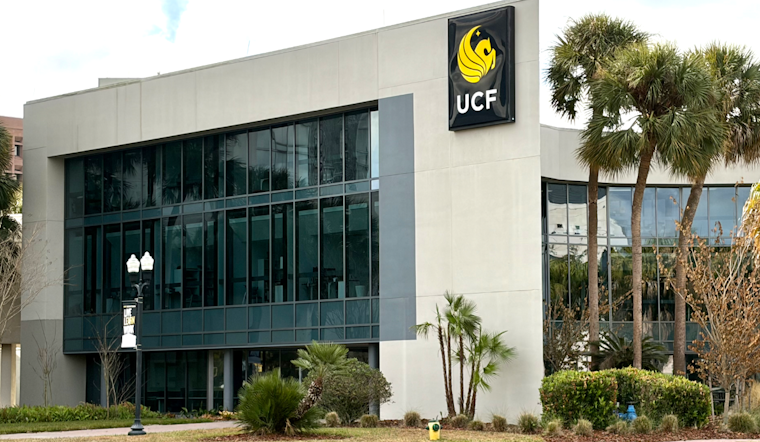
The University of Central Florida’s Board of Trustees signed off July 16 on a 15% hike to the undergraduate out-of-state student fee, putting UCF in step with campuses across Florida that are all raising prices for nonresidents this fall. For a typical out-of-state student at UCF, the change tacks on roughly $2,656 a year to the cost of attendance and is expected to bring in about $9.8 million for the university.
The state’s Board of Governors had already cleared the path for higher charges, authorizing a phased set of increases that allows a 10% jump for fall 2025 and up to 15% for fall 2026. Every one of the State University System’s 12 universities chose to go straight to the full 15% this year, according to the Board of Governors. State higher-ed leaders tied that flexibility to conditions that are supposed to keep in-state access front and center while still giving campuses room to deal with rising instructional and staffing costs.
What UCF Approved And How The Money Will Be Used
According to UCF’s board materials, the increase applies only to undergraduate students who are not Florida residents. In-state undergraduates, as well as graduate and medical students, would not see their fees change under this move. The packet lays out the numbers clearly: a full-time out-of-state undergraduate’s total tuition and fees would climb from about $24,077 to $26,733, and the university projects roughly $9.8 million in additional gross revenue. That money is earmarked for faculty salary increases, faculty recruitment and instructional support. Trustees voted unanimously to approve the change during the July 16 virtual meeting, according to the UCF Board of Trustees.
System Rules And Enrollment Limits
Florida policy keeps a tight lid on how many nonresident undergraduates the system can enroll. State rules cap nonresident undergraduate enrollment at 10% of the total fall-term degree-seeking undergraduate population, a limit laid out in Board of Governors regulation 7.006 and discussed in legislative bill analyses. The Board also told campuses they cannot grow the share of out-of-state admits unless they boost in-state enrollment proportionally, a guardrail meant to ensure Florida residents stay at the front of the line for public university seats. The details are spelled out in Board of Governors regulation 7.006 and a related Florida Senate analysis.
Students Push Back
Not everyone on the call was thrilled. During public comment, one out-of-state UCF student urged trustees to hold off on the increase so families would have more time to plan, or at least to lock in out-of-state fees at the point of application so students are not hit with repeated hikes halfway through a degree. University officials defended the move as an attempt to keep nonresident rates closer to the actual cost of providing instruction while still preserving affordability for Florida residents. “We recognize that any increase at all in the cost of attendance is meaningful to our students and their families,” UCF’s interim CFO said at the meeting, as reported by Creative Loafing Tampa.
What To Watch Next
By rule, universities have to post proposed fee changes publicly and alert enrolled students before trustees vote, and campuses say they will also flag available financial aid and support resources for those who are affected. The timing of implementation will differ from campus to campus, since some university boards locked in their increases months ago while others wrapped up approvals this summer. Students can expect the higher out-of-state line item to show up on fall bills if boards leave their decisions in place. For examples of how schools are rolling out the changes, see UCF and Florida Polytechnic University.





