

























































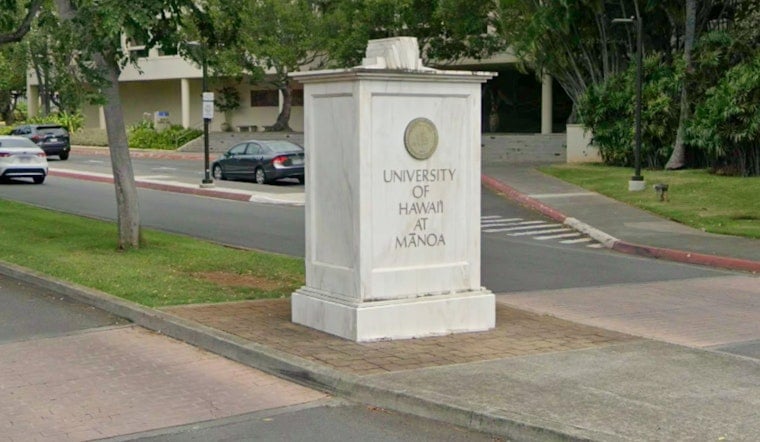
A University of Hawaiʻi at Mānoa research team says what is living in your gut may help explain how fast your body is actually getting older at the molecular level. By analyzing paired stool and blood samples from 123 adults, the scientists found that gut microbial makeup appeared to account for roughly 15% of the differences in the pace of biological aging. Within that microscopic crowd, they flagged Bifidobacterium adolescentis as linked to a slower aging pace and Succinivibrio dextrinosolvens as linked to a faster one.
Study finds specific microbial signals
To dig into those links, the researchers built an "EpiBiome" machine learning model that blended 16S rRNA gene sequencing data from stool with DNA methylation profiles from monocyte-enriched blood. The goal was to predict the DunedinPACE biomarker, a measure of how quickly someone is aging biologically compared with calendar time. At the species level, the model reached an RB2 of 0.152, which is about 15% of the variance in the pace of aging, using 123 paired samples from adults across a broad age range. The findings are detailed in Scientific Reports.
Researchers' take
Senior author Alika K. Maunakea said the team "found that microbial patterns in the gut were significantly associated with molecular measures of aging," stressing that the data point to association, not proof of cause and effect. Lead author Braden P. Kunihiro added that "the microbiome may reflect important aspects of biological resilience and aging," according to University of Hawaiʻi.
What DunedinPACE measures
DunedinPACE is a DNA methylation biomarker built to estimate the instantaneous pace of biological aging, essentially how fast a person is aging biologically relative to the passage of time on the calendar. It was developed from long-term data in the Dunedin cohort and is now used to compare aging rates across individuals and studies, as described in eLife. Because DunedinPACE reflects pace rather than a fixed "biological age," it can pick up on environmental and physiological influences that shift over time.
Limitations and next steps
The authors emphasize that an RB2 of about 0.15 does not mean the microbiome is the main driver of aging and that their results are meant to generate hypotheses, not serve as a diagnostic tool. They call for larger and more demographically diverse cohorts, external validation, and mechanistic follow-up using shotgun metagenomics, metabolomics, and longitudinal sampling to probe causality, according to Scientific Reports. Until those studies are done, links between specific microbes and the pace of aging should be viewed with caution.
Why the Hawaiʻi sample matters
The study group included Native Hawaiian and Pacific Islander participants, a community that has often been left out of microbiome and aging research. The team says that helps make the work more relevant for local populations. Co-author Ruben Juarez noted that the research could shed light on how environmental and social conditions become biologically embedded over a lifetime, according to University of Hawaiʻi. That local grounding gives UH scientists a chance to explore how diet, lifestyle, and community exposures may shape the gut patterns linked to aging.
For now, the project gives Honolulu researchers a fresh list of microbial suspects to investigate in the context of healthy aging, but it does not offer ready-made treatments or clinical tests. Follow-up studies in larger and longitudinal Hawaiʻi-based cohorts will be needed to find out whether changing the microbiome can meaningfully shift the pace of biological aging.




