

























































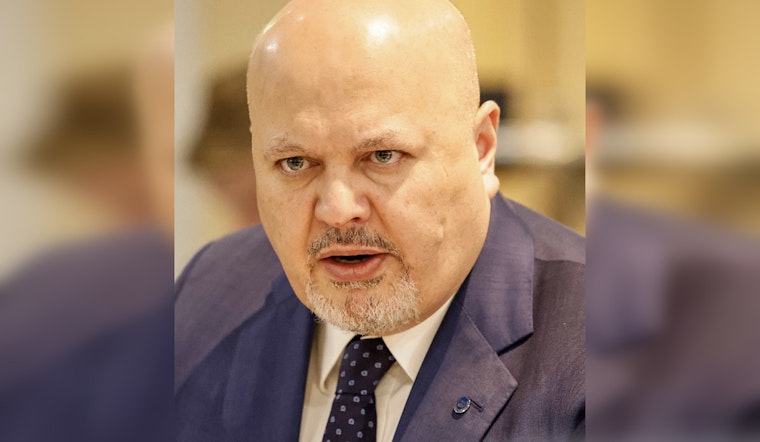
Karim Khan is out. After months of turmoil at the International Criminal Court, member states on Friday voted to remove the court's chief prosecutor during a special session of the Assembly of States Parties at United Nations headquarters in Manhattan. The move follows internal findings that an oversight bureau labeled "serious misconduct" tied to a sexual relationship with a junior staff member. Khan has denied the allegations and was temporarily sidelined from his duties in June 2026 while the disciplinary process moved up to the full Assembly.
The Assembly of States Parties, which includes 125 member countries, voted by a large majority to oust Khan, according to The Associated Press. AP reports that the executive committee's report concluded Khan committed a "serious breach of duty," and that the Netherlands and France had already signaled they would back his removal. The tally was taken by secret ballot, and the Assembly did not release detailed vote counts.
Diplomats on the ICC's executive bureau had recommended dismissal after reviewing a separate U.N. inquiry that, the bureau said, found the relationship "escalated over time" and included non-consensual contact, Reuters reported. The document the bureau circulated described the conduct as a serious breach of duty and passed its recommendation to the full Assembly for a final decision. Khan's lawyers have countered that a judicial review found the evidence insufficient and have argued the removal process is procedurally unfair.
The vote lands in the middle of intense political pressure on the court. U.S. Secretary of State Marco Rubio this month published an op-ed and the State Department released material vowing a diplomatic campaign to isolate or otherwise curb the ICC, as reported by The Guardian. Washington had already imposed sanctions on Khan and other ICC officials after the court sought warrants in 2024, and critics argued those political moves amplified calls for accountability. Israel's U.N. ambassador also accused Khan of trying to "launch a political witch hunt" with Gaza-related warrants, a criticism reported by The Associated Press.
What This Means For ICC Cases
Khan's removal does not automatically unwind the 2024 arrest warrants his office sought. Those orders were issued and confirmed by ICC judges and can only be withdrawn by the court's judicial chambers, Reuters reported. In practical terms, the prosecutor's deputies have been handling much of the day-to-day work since Khan was placed on leave, so the court's major dockets are expected to keep moving while member states consider a permanent replacement.
Next Steps And The Vote Threshold
Under Article 46 of the Rome Statute, removal of the Prosecutor is decided by the Assembly of States Parties by an absolute majority of the States Parties. In a 125-member Assembly, that means at least 63 affirmative votes, as laid out in the statute's text. If Khan is formally removed, the Assembly must set up interim leadership and then move to elect a new prosecutor. Legal analysts warn the decision will trigger further legal challenges and political fallout as oversight, judicial review and geopolitics continue to collide, according to analysis by Just Security and the Rome Statute text available via the ICRC database.





.jpg)