

























































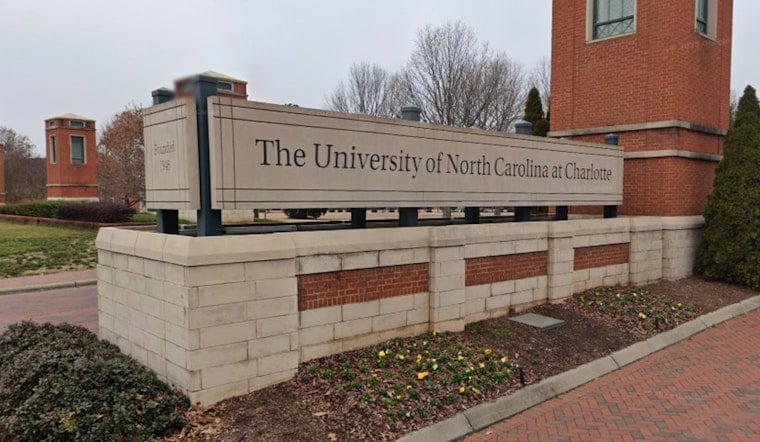
UNC Charlotte landed a major federal win Tuesday when the National Science Foundation selected the university to lead a new Grid Modernization Engine for the Carolinas. The 10-year initiative, now branded the Carolinas Grid Engine, comes with up to $160 million in NSF support and, project planners say, could create or retain roughly 20,000 jobs and more than $2 billion in economic activity across 36 counties. The investment is designed to speed manufacturing, onshoring and workforce training tied to grid technologies across North and South Carolina.
In a national rollout, the National Science Foundation said it selected 12 new Regional Innovation Engines on July 14 and that each team will receive an initial two-year award of $15 million with the potential to earn up to $160 million over a decade if milestones are met. "These new NSF Engines will be transformational for America's innovation infrastructure," the agency quoted Brian Stone, performing the duties of NSF director, as saying.
Scope and scale
UNC Charlotte will lead the Carolinas Grid Engine, which organizers say will span 36 counties and be supported by more than 100 partner organizations over its planned 10-year run, as reported by Charlotte Business Journal. Early project materials cited in local reporting estimate more than $2 billion in regional economic impact and a workforce bump of roughly 20,000 jobs in energy manufacturing, grid construction and related services.
Industry commitments and manufacturing
The engine's two-page brief lists several industry commitments that supporters say will onshore critical parts of the grid supply chain, including reported investments from Duke Energy and Dominion and major projects tied to transformer and magnet manufacturing, according to Carolinas Grid Engine. The brief specifically highlights a prospective Siemens transformer facility and a planned rare-earth magnet plant as supply-chain pillars for the region's manufacturing push.
Jobs and training pipeline
UNC Charlotte has already used earlier NSF Engines development work to map a workforce pipeline and local partnerships that the new engine will scale, from K–12 programs and community-college apprenticeships up through university research testbeds, according to UNC Charlotte. Project leaders say the engine will lean on EPIC and partner testbeds at Clemson and Duke Energy to shorten deployment timelines and move people from auto and electronics manufacturing into grid jobs.
Why this matters locally
Regionally, advocates argue the Charlotte–Columbia–Greenville–Charleston corridor brings logistics strengths, ports and a growing data-center cluster that could help translate lab prototypes into factories and contracts. Independent analysis of the NSF Engines program suggests these federal seed investments can attract larger private commitments. Brookings recently noted that NSF Engines have a record of turning modest federal funding into substantial regional investment when paired with industry and state leadership.
Next steps include award negotiations and the rollout of pilot projects. NSF said teams will receive initial funding to start translation and workforce programs while future tranches depend on milestone performance, according to the National Science Foundation. Locally, university and industry partners say they will now focus on converting pledges into factories, supply contracts and training slots that could show measurable results over the coming years.




