

























































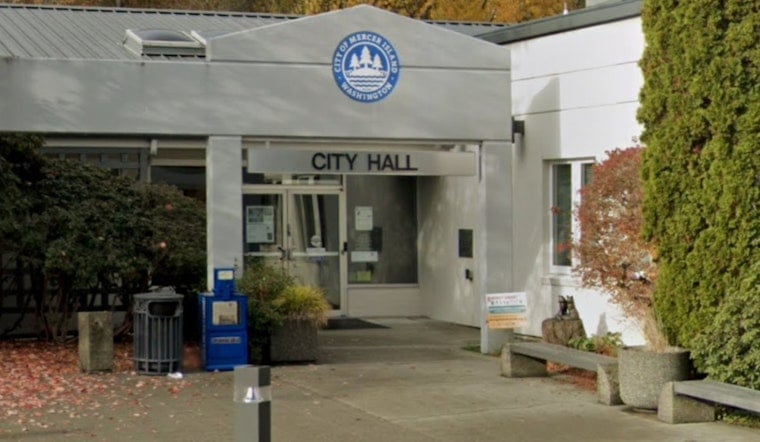
With a state deadline bearing down, Mercer Island’s City Council this month signed off on a major redo of downtown zoning and its rules for emergency and supportive housing. On July 21, the council adopted a package of zoning and development code amendments aimed at boosting housing capacity around the island’s new Sound Transit light-rail station and stripping out local barriers to shelters and permanent supportive housing. The moves follow a 2025 Growth Management Hearings Board decision that ordered the city to fix its comprehensive plan by July 31, 2026.
Town Center upzone and capacity changes
The new ordinances expand the Town Center boundary and relax height limits so parts of downtown can climb to six to eight stories, while carving out subareas for denser mixed-use development. The package also lays out a phased Station Subarea Plan that concentrates most of the new growth potential near the Mercer Island light-rail stop. According to the City of Mercer Island, the changes include amendments to the Comprehensive Plan and the Title 19 development code needed to put those shifts into effect.
What the new state law requires
The overhaul is driven by House Bill 2266, passed in early 2026, which requires cities in urban growth areas to allow transitional housing, permanent supportive housing, and indoor emergency shelters in any zone where residential uses or hotels are allowed. HB 2266 also sharply limits how spacing requirements can be used, imposes administrative design-review rules in some situations, and bars local standards that are more restrictive than comparable lodging or residential regulations, as laid out in House Bill 2266.
A faster approval path for shelters
Under the updated local code, Mercer Island can no longer require a pre-decision public hearing for emergency or transitional housing projects. Instead, it must hold at least one public meeting during the permitting process, and the city has removed a citizen-appeal route that was previously tied to those approvals. Supporters argue that trimming these steps will cut delay and legal friction for housing serving people experiencing homelessness, while critics contend it weakens local oversight. The Urbanist reported that the revisions also scrubbed 600-foot and 1,000-foot spacing rules that had limited where shelters could be sited.
Residents push back
An online petition titled “Keep Mercer Island Safe” gathered well over 1,000 signatures opposing the changes and warning that shelters and supportive housing will hurt neighborhood safety. At the July 21 meeting, residents pressed the council to resist the state mandates, while Mayor David Rosenbaum and Councilmember Craig Reynolds defended the package. Reynolds said “NIMBYism is not an effective strategy politically,” according to The Urbanist.
Board order and potential penalties
The Growth Management Hearings Board previously found Mercer Island’s 2024 comprehensive plan out of compliance and set a July 31, 2026 deadline for the city to adopt fixes, with a compliance hearing scheduled for September 15, 2026. In its final decision, the board warns that failing to comply can trigger sanctions, such as withholding tax revenues and imposing other financial penalties under state law, a point highlighted in the city’s compliance briefing. The full schedule and legal background are detailed in the Growth Management Hearings Board final decision and order.
Affordable housing tweak
The adopted code also tightens the link between new mixed-use development and affordability in key Town Center subareas. Projects in the TC-8A, TC-8B, and TCMF-6 zones must now set aside 10 percent of units at about 50 percent of area median income. City staff say this adjustment is intended to make producing affordable units more practical while unlocking additional development capacity downtown, according to the City of Mercer Island.
Next steps
The city’s amendments are now on the record and will get a full review at the hearings-board compliance hearing on September 15, 2026, where the board will decide whether the package satisfies its order. If the board rules that Mercer Island is still out of compliance, it could recommend sanctions under state law; if it signs off, the new rules will serve as the blueprint for growth around the light-rail station. For the hearing docket and the city’s exhibits, see the Growth Management Hearings Board schedule and council packet.


