

























































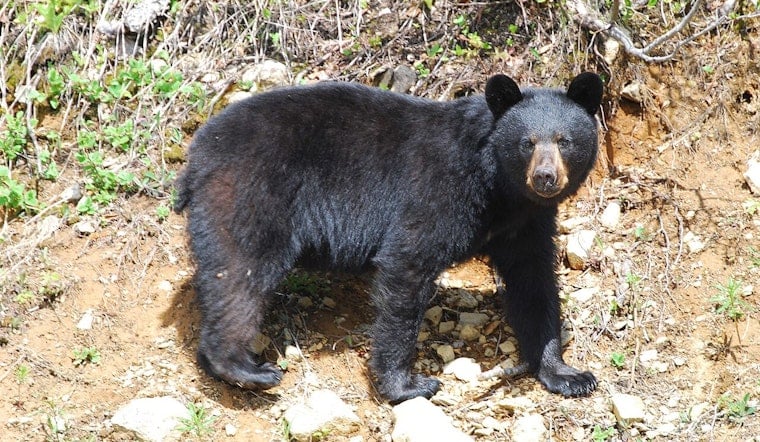
If your perfect North Woods weekend involves a tent at West Winnie Campground on Lake Winnibigoshish, it is time for a serious gear upgrade. An emergency order from the U.S. Forest Service will bar campers from sleeping in tents or pop-up campers at the site starting July 1, with the restriction running through Oct. 13, 2026. Visitors will have to stay in hard-sided, self-contained units such as trailers, campers or vehicles, a move forest supervisors say is meant to cut down on close encounters between people and black bears in this remote corner of the Chippewa National Forest.
Order Number 09-03-01-26-01 from the U.S. Forest Service bans camping with any "soft-sided equipment" at West Winnie and covers all National Forest System lands inside the campground boundary. The order is in effect from July 1 through Oct. 13, 2026, and violations are treated as a Class B misdemeanor, with potential fines of up to $5,000 for individuals and up to $10,000 for organizations, or up to six months in jail. After the order was posted, local outlets picked it up; FOX 9 pointed out that West Winnie is a longtime favorite for anglers and boaters.
Why West Winnie?
“Black bear activity is frequently seen along the travel corridor to this campground as well as within the general vicinity of the campground,” the Forest Service wrote, noting that the campground’s remote setting raises the odds of human-bear interactions. The order includes a map and legal description spelling out exactly which lands are affected and singles out West Winnie because human-bear encounters are more common there than at other campgrounds in the area.
What campers should know
Anyone planning a trip should expect to arrive with a hard-sided, non-pliable, self-contained unit or pick a different spot. Tents and pop-up campers are off the table for as long as the order is in place. Recreation.gov’s listing for Winnie Campground now flags the Forest Service notice and links to food-storage rules that require coolers and any scented items to be locked in a vehicle or solid camper whenever they are not attended. Wildlife managers point to Minnesota Department of Natural Resources estimates that put black bear numbers in northern Minnesota in the low tens of thousands as a key reason to keep campsites rigorously clean and food locked down.
Enforcement and alternatives
The emergency order makes room for a few exceptions: people holding a Forest Service permit (FS-7700-48), along with federal, state or local officers and organized rescue or firefighting personnel acting in the line of duty. Otherwise, the restrictions stay in place through Oct. 13, 2026, unless they are rescinded earlier. Campers with questions can call the Blackduck Ranger District at (218) 835-4291 or the Chippewa National Forest Supervisor’s Office at (218) 335-8600 for details on the boundaries and what qualifies as a permitted unit.
Those who usually roll in with tents still have options. They can look at other developed fee campgrounds within the Chippewa National Forest or plan a trip using a hard-sided, bear-resistant setup, which will keep them on the right side of the law, spare them hefty fines and help keep the local bears wild instead of campground regulars.





