

























































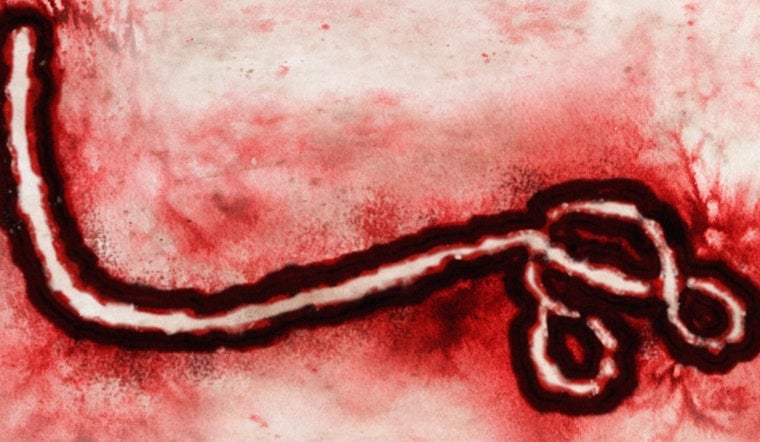
Fourteen American travelers, including two families with teenagers and a 70-year-old, spent four unexpected days at Fort Drum this week after federal health officials blocked their return to the country over Ebola concerns tied to recent travel in the Democratic Republic of the Congo. None of them showed symptoms of the virus, officials said, and all received medical evaluations while under observation before being cleared to continue on to their final destinations.
According to Reuters, the group flew into Canada, then tried to cross back into the United States at land borders in Vermont and New York. Instead, they were diverted to Fort Drum, an Army installation about 30 miles from the Canadian border. The Pentagon told lawmakers that, at the request of federal health agencies, the base was used as a “temporary isolated assessment facility and life support,” and that the travelers were later “relocated by HHS personnel.” Major General Scott M. Naumann assured Congress that the setup posed no risk to service members or staff, and Defense Secretary Pete Hegseth told Senator Roger Wicker the move would not interfere with military readiness.
As outlined by the CDC, a Department of Health and Human Services order issued in May temporarily suspends certain introductions into the United States for people who have been in the DRC, Uganda or South Sudan within the previous 21 days. The order is limited to 30 days at a time while federal agencies reassess the level of risk and adjust screening and contact tracing. Officials describe it as a short-term public health tool meant to buy time for a broader assessment, not a permanent ban on entry. Local and federal authorities said the stop at Fort Drum was meant to be exactly that, a tightly controlled and temporary assessment while medical teams checked the travelers out.
The outbreak in the DRC has been accelerating. The World Health Organization reported more than 2,100 confirmed cases and over 800 deaths in mid-July, and warned that insecurity and gaps in contact tracing are complicating the response. WHO and its partners have expanded surveillance and launched clinical trials of experimental treatments, but specialists caution that the Bundibugyo strain involved in this outbreak brings its own diagnostic and vaccine hurdles.
Legal implications
Public health law experts and civil liberties advocates say the government’s approach could face courtroom tests. James Hodge, director of Arizona State University's Center for Public Health Law and Policy, told Reuters that sweeping restrictions on people “just because you were in the Congo” rest on shaky legal ground. At the same time, the CDC order leans on sections of the Public Health Service Act that grant agencies temporary authority to halt introductions while they assess and respond to serious outbreaks overseas.





