

























































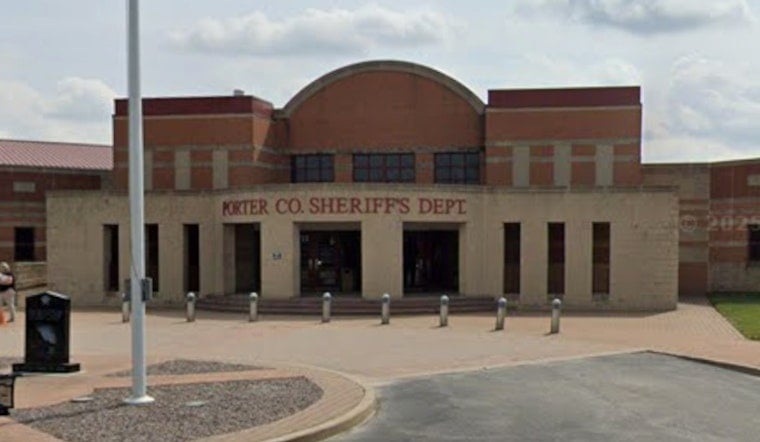
Over the Fourth of July weekend, Gene Rush, a throat-cancer survivor, died after being booked into the Porter County Jail. His family says deputies and medical staff failed to give him the lifesaving care he needed, and they are now demanding records and a public explanation for what happened inside the Valparaiso facility. The case is putting a harsh spotlight on how local jails handle serious medical crises.
Family says staff failed to act
According to CBS News Chicago, Rush had survived throat cancer but went into distress after he was taken to the Porter County Jail. His relatives allege jail staff did not provide timely, potentially lifesaving treatment. Family members told the outlet they want an independent review, along with full release of Rush’s medical and booking records, to show what officers and medical personnel did while he was in custody. The CBS segment captures their anger and their calls for county officials to walk the public through how events unfolded.
Jail medical provider named
Porter County’s official website lists the jail’s medical services. It identifies NorthShore Health Centers as the provider that handles inmate healthcare at the facility, according to the Porter County Sheriff's Office. The county site also lists the jail’s location as 2755 State Road 49 in Valparaiso and provides contact information for the jail division. That setup, in which local sheriff’s departments contract with outside medical providers, is common in county jails across the United States.
Illnesses are a leading cause of jail deaths
Federal data show that illness and natural causes account for a large share of deaths in local jails, underscoring how crucial prompt medical evaluation and treatment can be when someone is brought into custody, according to the Bureau of Justice Statistics. Those numbers make quick access to emergency care a key factor in whether an incarcerated person survives a medical emergency. Advocates say that when deaths happen behind bars, transparency about medical logs and response times is essential.
What state law requires
Indiana law allows counties to collect relatively small copayments for certain inmate medical visits but creates exceptions for emergencies and requires counties to maintain a medical-care fund for inmates, according to Justia. Under those rules, emergency treatment is not supposed to be withheld for financial reasons in county jails. Those provisions, along with local jail policies, are likely to be central to any review or records request by the family or by investigators.
Legal avenues and past complaints
Families who believe necessary care was withheld can seek a coroner’s findings, file public-records requests, and pursue civil or criminal reviews if officials identify failures. Similar claims against county jails have led to lawsuits in previous cases. Court filings show Porter County has faced litigation before in which a former inmate alleged negligent medical care, according to a 2019 appeals decision. Whether Rush’s death results in an internal investigation, a coroner’s report that points to specific failures, or new litigation will depend on what the medical and booking records ultimately show.
What the family wants next
Rush’s relatives say they plan to keep pressing for complete records and a detailed timeline from county officials that covers his arrest, booking, and medical treatment. A coroner’s report, along with any formal statements from the sheriff’s office or from the jail’s medical contractor, is expected to provide the clearest public account of what happened. Reporters, advocates, and local officials will be watching for those documents and for any formal review of procedures at the Porter County Jail.





