

























































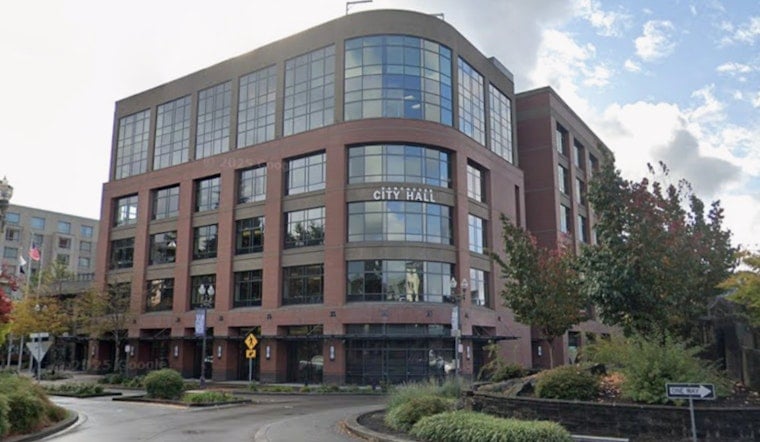
The Vancouver Police Department has quietly told officers to stop handing out on-the-spot TraCS citations for a slate of low-level misdemeanors and instead send those cases straight to the Vancouver City Attorney's Office. The internal memo, dated last Friday, covers offenses like second-degree criminal trespass, trespassing in city parks, third-degree theft, disorderly conduct and some drug-possession violations. Supervisors can still greenlight physical citations when they think immediate action is necessary, but the default has flipped. That shift effectively rewires how a big chunk of day-to-day complaints will flow through Vancouver's courts, and it is already sparking tension between city leaders and the rank and file.
Expert: Policy Rewrites How Minor Crimes Get Handled
According to KATU, the memo tells officers that, "barring exceptional circumstances and approval by a supervisor," they are to route the listed misdemeanor cases to the City Attorney instead of entering a TraCS citation on the spot. University of Washington criminal law professor David M. N. Garavito, who reviewed the memo for KATU, said the directive "reflects a broader reduction in enforcement of those offenses," even though officers still have authority to act when other crimes are involved. In his view, the policy mostly pushes some of the usual street-level discretion up the chain to supervisors and prosecutors rather than erasing it.
City Blames Public-Defender Shortage And Case Tosses
The city manager told Clark County Today that this is less about going soft on crime and more about a bare-bones defense bar. Lon Pluckhahn said a recent crunch in available public defenders, combined with a string of case dismissals, left victim-related prosecutions on the chopping block. More than 50 cases were tossed, he said, including 10 involving domestic violence, and the new protocol is meant "to prioritize cases with the greatest impact on safety." City officials argue that steering low-level matters away from automatic citations is a way to keep municipal dockets from being jammed up with files that might never make it to trial.
Police Union Warns Of Handcuffed Officers And Hurt Businesses
The Vancouver Police Officers Guild is not buying the reassurance. Guild president Jeff Anaya told Clark County Today that the memo strips officers of crucial discretion and could slow or derail basic investigations. "This is going to ruin businesses," Anaya said, arguing that when officers lose the ability to cite or arrest in routine cases, they often lose the legal authority they need to search or to recover stolen property. The guild also criticized how and when the directive rolled out, saying it issued its public statement after learning of the internal change.
Clark County Sheriff Draws A Line And Stays The Course
The memo stops at the city limits. Clark County Sheriff John Horch told KATU that his office "has no intention of changing how we enforce the law." Deputies, he said, will continue to arrest or issue citations whenever they have probable cause, and he emphasized that it is up to the Clark County Prosecuting Attorney to decide which cases actually get charged. His stance sets up the possibility that residents across the metro area could see very different responses to the same low-level offenses, depending on which badge shows up.
Legal Backdrop: Tighter Caseload Caps For Defense Attorneys
Behind the scenes, Washington's overhaul of indigent-defense standards has been squeezing city courts. The Municipal Research and Services Center details how statewide Supreme Court interim orders, followed by standards that take full effect in 2026, reduced the number of cases public defenders are allowed to carry and encouraged case-weighting systems. Local officials say those stricter caps have cut into courtroom capacity and forced jurisdictions to rethink which prosecutions they can realistically pursue. City leaders and defense attorneys point to that structural strain, rather than simple budget trimming, as the immediate trigger for Vancouver's new approach.
Street-Level Impact: Fewer Tickets, More Triage
On the ground, shop owners and residents may start to notice a falloff in on-the-spot citations for things like petty theft, park trespass or minor drug possession. The city says those are exactly the kinds of cases it wants to triage so it can reserve scarce public-defender time for more serious crimes and victim-focused prosecutions. That does not come without tradeoffs. Officers who expect to write a citation usually collect and document evidence right away, and some of those routine investigative steps can be harder to take when they have to seek supervisor approval before issuing a ticket. Supporters of the memo say the system needs that gatekeeping to survive the defender shortage, while critics warn it could open up holes in everyday enforcement.
What Comes Next For Vancouver's Courts And Cops
City leaders say they will brief council members if asked, and the City Attorney's Office will decide which referred cases move forward. The police guild, for its part, plans to keep pressing its concerns in public. Downtown businesses and defense advocates are likely to be watching closely as charging decisions shift away from automatic TraCS tickets and toward a more selective prosecutorial review. Vancouver now finds itself in a real-time experiment: whether dialing back instant citations for low-level offenses can ease court backlogs without quietly eroding day-to-day public safety.





