

























































In a quiet Las Vegas apartment turned makeshift hospital room, Sheila and George Ifi are staring down a choice no parents want: board a plane for deportation to Nigeria or stay in the United States without authorization so they can keep caring for their medically fragile baby. Their U.S.-born son, Judah, is too sick to travel, they say, and if his parents are forced to leave, they believe his only option would be institutional care.
The family is racing the clock. A preliminary hearing in front of an immigration judge is scheduled for next week, giving them only days to argue for a path that keeps them together. Whatever the judge decides will reshape their lives and highlight how immigration policy collides with the needs of severely ill American children.
Judah’s fight started early and hard. His parents say he was born extremely premature, weighing just 1 pound, 12 ounces, and spent his first five months in a neonatal intensive care unit. Now at home, he lives with chronic conditions that include seizures, cerebral palsy, lung disease and sepsis. Feeding him, they say, is a careful, hour-long process each time.
According to the family, they previously relied on temporary protections that allowed them to live and work legally in the United States. Those protections have ended, and they now face possible deportation to Nigeria. They say Judah cannot safely travel with them, as reported by KTNV.
"I'm just beside him, because he can't speak for himself," Sheila Ifi told reporters, describing her daily routine at Judah’s bedside and her reliance on faith to get through each day. She added that she has no intention of disappearing into the shadows, saying, "I'm not going to go hiding."
The family says George initially came to the United States years ago on temporary visas to help, then spent a long stretch separated from Sheila and Judah before he eventually received permission to return to Las Vegas and assist with his son’s care. Now, with that help once again at risk, the Ifis have hired an attorney and plan to press their case when they appear in court next week, according to KTNV.
Judah’s legal status adds another layer of complexity. Because he was born in the United States, he is a U.S. citizen under the Constitution’s Citizenship Clause. The Fourteenth Amendment provides that "all persons born or naturalized in the United States... are citizens," according to Congress.gov. That means any government decision that removes his parents from the country could leave an American citizen child in institutional care while his primary caregivers are thousands of miles away.
Local Enforcement And Family Fallout
Advocates and legal clinics in Nevada say the Ifis’ case looks painfully familiar. Families with mixed legal statuses, especially those caring for U.S.-born children, are increasingly caught in the crosshairs of stepped up enforcement. State lawmakers were recently warned about a rise in detentions and deportations that has left immigrant communities on edge, as reported by Nevada Current. At the same time, the ACLU of Nevada has gone to court to challenge transfer policies that affect how detainees are moved and held.
All of that, advocates say, piles more pressure on already stretched child welfare agencies and legal service providers that are trying to protect the rights of U.S.-citizen children whose parents may be ordered out of the country.
What Comes Next
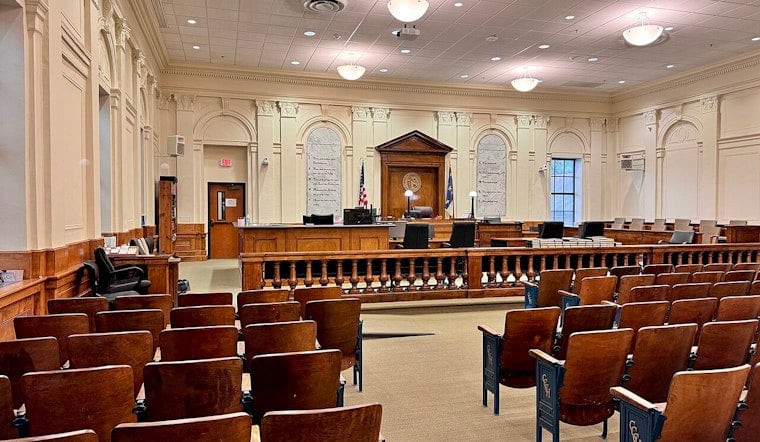
The Ifis’ preliminary hearing is set for next week before an immigration judge in Southern Nevada. Their lawyer is expected to ask for relief or discretionary measures that would keep the family together, at least long enough to pursue additional legal options.
Immigration cases in the region are handled at the Las Vegas Immigration Court, located at 110 North City Parkway, Suite 400, under the Department of Justice’s Executive Office for Immigration Review. The judge could grant the family more time to seek other forms of relief or could issue an order of removal that starts the clock on their departure.
Legal Implications
Temporary Protected Status is a humanitarian program that, while in effect, shields eligible people from deportation and allows them to receive work authorization. If TPS is terminated and a person has no other legal status, they can be placed in removal proceedings, according to USCIS. Recent federal notices and court rulings have reshaped who qualifies and for how long, leaving some groups newly vulnerable.
Within that framework, immigration judges have broad discretion to weigh humanitarian factors, family unity and statutory limits. For families caring for medically fragile U.S.-citizen children, the stakes in those discretionary calls are especially high, and outcomes often hinge on narrow, technical arguments about relief that may or may not be available.
For now, the Ifis are gathering paperwork, working with their attorney and waiting for their day in court. Their case stands as a stark example of what happens when the machinery of immigration enforcement meets the realities of intensive medical care, and of the limits of current federal protections in keeping vulnerable American families intact.





