

























































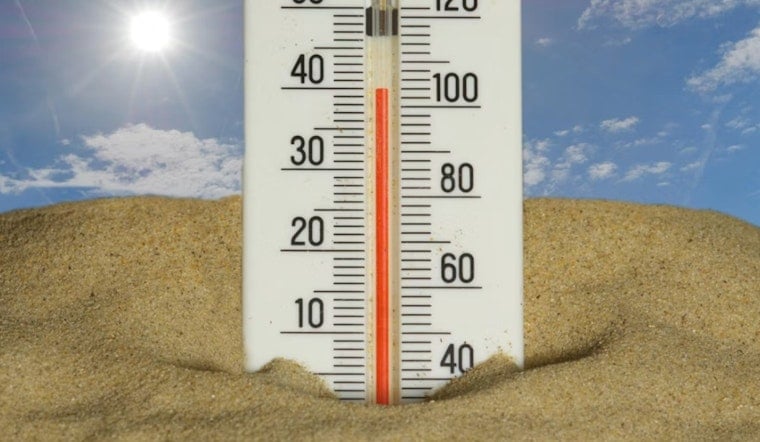
June’s heat did more than crank up the power bills in Las Vegas. University Medical Center’s burn team says pavement-burn hospitalizations more than doubled typical monthly admissions as an early-season heat wave baked the valley, straining the Lions Burn Care Center and turning everyday sidewalks into a public-health hazard.
As reported by KTNV, UMC staff described a steep jump in patients arriving with contact burns in June. On its site, UMC notes that the Lions Burn Care Center is Nevada’s only Verified Burn Center, which means a sudden spike in serious burn cases hits the entire valley, not just one hospital floor.
How Pavement Gets So Hot So Fast
Research tied to UNLV and a peer-reviewed review of UMC cases has shown that pavement can quietly transform into a griddle, heating far beyond the air temperature and causing serious burns in seconds. According to UNLV, more than 88% of pavement-burn admissions occurred when ambient temperatures were 95°F or higher, and surfaces in direct sun can climb well into the 140s on very hot days.
In other words, what feels like a quick walk across the driveway or parking lot can turn into a second- or third-degree burn before you even realize your feet are in trouble.
Heat Trends and the Public-Health Toll
The Southern Nevada Health District has been warning that this year’s heat arrived early and hard, and the health impacts back that up. According to the Southern Nevada Health District, 2025 saw dozens of heat-associated deaths and thousands of heat-related emergency visits, underscoring how long stretches of triple-digit temperatures raise the risk of injuries like pavement burns.
Those numbers put individual burn cases in a broader context: pavement injuries are part of a larger heat story that includes dehydration, heat exhaustion, and life-threatening heat stroke.
How Hospitals Are Trying to Stay Ahead of the Surge
Local health systems, including UMC, are pairing clinical readiness with prevention efforts to blunt the annual summer spike. In a recent round-up for hospital leaders, the American Hospital Association highlighted UMC’s outreach work, which ranges from an annual flip-flop donation drive to distributing hydration and sun-safety packs.
Staff at UMC stress how little time it takes for trouble. “It doesn't take long, less than a few seconds, for them to get a second- or third-degree pavement burn,” Diane Knapp said, describing how quickly a hot sidewalk or parking lot can send someone straight to the burn unit.
Staying Safe When the Ground Feels Like a Frying Pan
Public-health advice here is simple, if not always convenient: wear closed shoes outdoors, skip bare feet on asphalt or concrete, and keep kids and pets off hot surfaces during the peak heat hours. Local agencies also encourage residents to use county cooling centers and to check on vulnerable neighbors and people experiencing homelessness.
The Southern Nevada Health District posts maps and tips for staying safe during extreme heat, including where to find those cooling sites.
If someone does suffer a pavement burn, basic first aid and quick evaluation matter. Any deep or blistering injury should be checked by a clinician, and UMC’s Lions Burn Care Center remains the valley’s primary referral site for serious contact burns. For the latest local updates and resources, residents can turn to UMC and county health pages listed above.



