

























































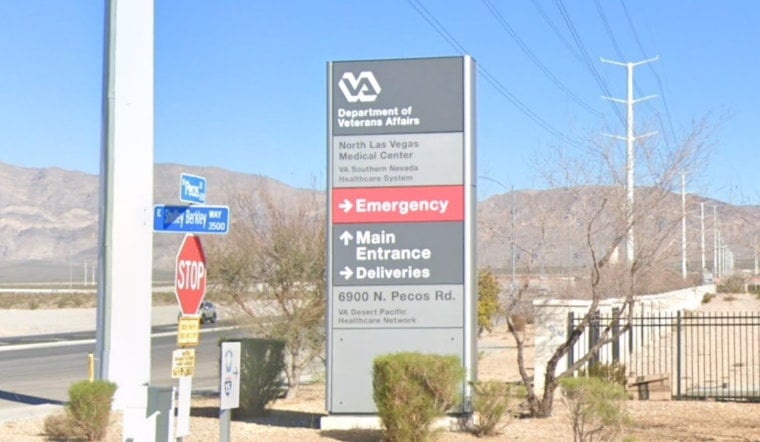
In Nevada, the fight is on over whether veterans should shell out for private help to win VA disability benefits. Some say hiring a company or lawyer was the only way they ever saw a check. Others warn those same operators are predatory "claims sharks" circling vulnerable vets. That split is sharpening as Congress weighs new rules on who can legally charge for claims assistance.
As reported by Las Vegas Sun, the SAFEGUARD Veterans Act, introduced in the Senate with a companion bill in the House, would bring back criminal penalties for unaccredited firms that charge unauthorized fees and would increase transparency about bad actors that have been banned from helping with claims. Veterans and advocates are split on whether that kind of paid help is exploitation, or sometimes the only practical way to cut through the red tape.
What lawmakers want to change
Sponsors say the bill would spell out that only VA-accredited individuals are allowed to prepare or present claims, require publication of lists of people and companies barred from accreditation, and create penalties for fraudulent fee practices. Sen. Michael Bennet's office described those goals when the legislation was rolled out, and the bill text itself is tracked on LegiScan.
How fees are supposed to work
Under existing rules, accredited attorneys and claims agents cannot simply charge whatever they want, whenever they want. Federal regulations generally allow fees only after an initial VA decision and a qualifying notice of disagreement, and even then only under tight fee-agreement rules.
The regulation 38 C.F.R. §14.636 limits direct-pay fees to 20% of past-due benefits and treats fees above roughly 33.33% as presumptively unreasonable. Those limits are meant to keep representation accessible while still giving accredited professionals an incentive to take on complex cases, according to the text of eCFR.
Why some veterans still pay
On paper, help is supposed to be free through veterans service organizations, but in practice the process can be confusing, slow, and wildly inconsistent from one office to the next. That is one big reason many veterans still turn to paid help, despite the risks and all the fine print.
A Harris Poll commissioned by Veteran Benefits Guide found that 94% of veterans said they should be free to work with private partners if they choose, and that large shares reported waiting months for decisions. At the same time, the VA points to record productivity, reporting that it completed more than 3 million compensation and pension claims in fiscal year 2025. Yet veterans say wait times and outcomes still vary significantly by case and region, according to the VBA Annual Benefits Report.
Local veterans' perspectives
In Las Vegas, you can hear both relief and suspicion in the way veterans talk about paid help.
Veteran Roger Loesch told the Las Vegas Sun that a paid service finally helped him secure benefits after years of wrestling with confusing paperwork on his own. For him, the fee felt like the price of getting unstuck.
Richard Keirn, a senior service officer with American Legion Post 40, sees the flip side. He said chronic understaffing and delays at the VA leave veterans frustrated and vulnerable, which creates an opening for shady operators who promise fast results and then charge steep or questionable fees.
What veterans should know and do
Advocates say that before veterans hand over a single dollar, they should:
- Verify that anyone offering help is properly accredited with the VA
- Read every fee agreement line by line, especially percentages and what services are actually covered
- Try free assistance from recognized veterans service organizations when possible
The VA maintains an accreditation index that lists authorized VSO representatives, claims agents, and attorneys, along with guidance on fees and how to file complaints. VA Accredited Representatives explains how to search for accredited help.
If you suspect illegal or predatory behavior, complaints can be submitted to the VA Office of Inspector General hotline, which outlines the steps for reporting potential abuse on its VA OIG site.
Legal notes
If Congress passes it, the SAFEGUARD Veterans Act would add criminal enforcement against unaccredited operators who charge veterans for services they are not authorized to provide, a tool that sponsors argue is necessary to deter outright fraud, according to Sen. Bennet's office.
Separate from any new law, existing VA rules already allow regulators to review whether fees are reasonable and to impose administrative discipline on accredited representatives who abuse the system. That gives veterans and the VA some ability to challenge excessive or unlawful charges under the current framework spelled out in eCFR.
With both Senate and House versions now sitting in committee, Nevada veterans and watchdog groups are watching closely to see whether Congress can tighten protections without cutting off the private options some vets rely on to navigate a complex bureaucracy. The outcome will help decide whether paid helpers remain a controversial lifeline or get reined in as part of a broader consumer-protection push, according to LegiScan.




