

























































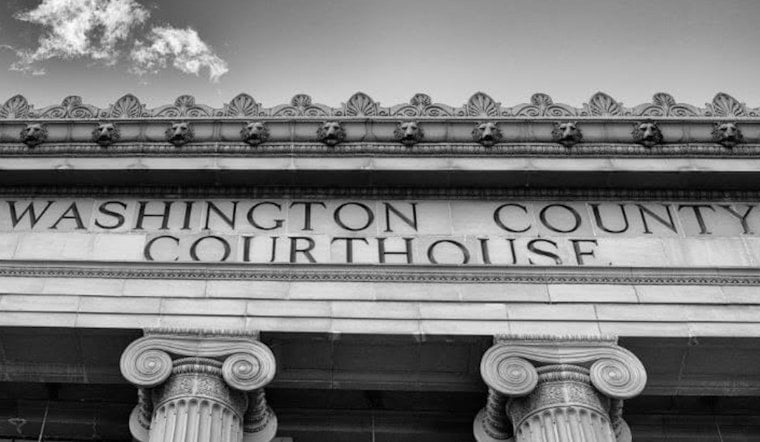
Washington County officials are turning up the heat on shoplifters, rolling out a new presumptive arrest and booking policy for retail theft that they say will tighten consequences across the county. Instead of handing out citations and hoping suspects show up in court later, prosecutors and law enforcement agencies say officers are now expected to arrest and book people when the law allows, a shift they argue will help deter organized crews they claim drive in to target local stores and workers.
The Washington County District Attorney’s Office laid out the shift in a press release that applies to both misdemeanor and felony retail theft, urges stores to report incidents, and asks them to review how they handle removing suspects from vehicles. The policy, distributed via FlashAlert, is already in effect, and the office says its case data show that a significant share of retail theft here is committed by people who do not live in the county.
What the new policy does
According to the guidance, officers will “presumptively arrest and book suspects in the Washington County Jail when legally justified, rather than issuing a criminal citation to appear in court at a later date,” as described in the release shared via FlashAlert. District Attorney Kevin Barton put it bluntly in the announcement, saying, “We have a zero tolerance policy in our community for crime, including retail theft.”
The notice also points to earlier groundwork, including a countywide task force created in 2022 and roughly $3 million in grant funding that the DA’s office says is helping to pay for targeted enforcement, security upgrades and overtime. Sheriff Caprice Massey said the new arrest-first approach strengthens the county’s ability to hold people accountable and backs up retailers who quickly report crime, a signal that police want stores to call early and often when theft happens.
Money and manpower behind the push
County budget documents show how that grant money and extra staffing have been lined up behind the effort. Finance packets and meeting materials list organized retail theft grants and related positions that county leaders say help fund focused enforcement and loss prevention partnerships. Those allocations appear in recent budget actions and resolutions, according to Washington County records that spell out grant amounts and specific line items tied to the organized retail theft push.
Legal implications and courtroom effects
Officials stress that officers still need legal grounds for any arrest, but the new default of booking suspects instead of citing them can have immediate courtroom consequences. Being booked into jail can mean more time in custody before a first appearance and can influence how bail is handled, compared with someone who simply walks away with a citation. The DA’s policy manual outlines how arrest decisions and pretrial release are supposed to work, and that existing framework will guide how this tougher stance on retail theft plays out once cases land in front of a judge.
Retailers and loss prevention groups respond
Retail industry contacts and loss prevention partners highlighted in the county’s announcement are backing the move, arguing that tighter enforcement and better information sharing between stores and police make both employees and customers safer. The Organized Retail Crime Association of Oregon has been working with county prosecutors on trainings and partnerships, and the group has joined others statewide in pushing for cooperation across city and county lines to go after theft crews that hit multiple communities in a single run, according to ORCAOR.
County leaders are directing reporters to the DA’s public information officer for interviews and urging business owners to document every incident, save surveillance video and report theft quickly so investigators have something to work with. For everyday shoppers, law enforcement says the goal is straightforward, to make stores feel safer by pulling repeat offenders off the sales floor and into custody while their cases move through the courts.




