

























































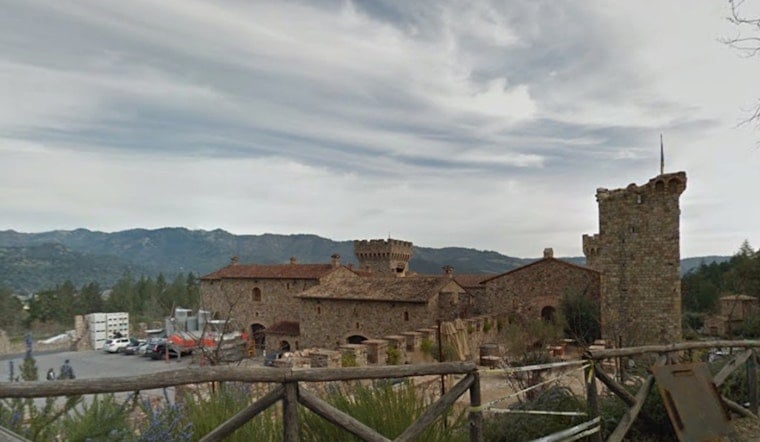
Castello di Amorosa and watchdog group Water Audit California have struck a truce in their long-simmering water fight, agreeing to study Nash Creek on the Calistoga castle’s property and tighten metering and monitoring of the winery’s groundwater use. With that deal in motion, Napa County has put tomorrow's Planning Commission hearing on pause while the monitoring plan gets nailed down.
According to the Napa Valley Register, the agreement calls for independent monitoring equipment and video to document creek conditions, along with joint tracking by the winery and Water Audit California of agricultural, winery and hospitality water use on the estate. The Register reports that the pact prompted county staff to cancel tomorrow's Planning Commission agenda item while the new study is set up.
County analysis backs monitoring and technical limits
Napa County planning and engineering materials outline a Water Availability Analysis that pegs the winery’s existing groundwater demand at roughly 15.98 acre-feet per year and recommends a replacement well be located at least 130 feet from Nash Creek, with a pump or flow device limited to about 40 gallons per minute. The same Napa County planning documents call for well metering, periodic static-water-level readings and reporting that will feed into the county’s broader groundwater monitoring program.
Appeal pushed the review and produced the study plan
Water Audit California had appealed the Planning Commission’s April 2, 2025 approvals, arguing the project did not adequately account for potential impacts to Nash Creek or the public trust. In a detailed comment letter, Water Audit California raised long-standing concerns about unpermitted uses, higher-than-reported water consumption tied to visitation, and the need for more comprehensive review.
County leaders responded by sending the groundwater questions back to the Planning Commission for more work. A Board of Supervisors June 24, 2025 meeting recap, cited in Napa County documents, shows the board remanded the matter so the commission could prepare an advisory report on the Water Audit appeal and related groundwater issues.
What the conditions mean for visitors and neighbors
For locals and tourists, the fine print matters. County-recommended conditions acknowledge heavy foot traffic at the castle, with planning materials listing daily visitation caps of up to 1,000 weekday visitors and as many as 3,500 on the busiest Saturdays, plus an annual maximum of 427,541 visitors. Those same conditions require the winery to maintain weekly and monthly visitation logs and submit biannual reports to county planners. Napa County planning documents also mandate a publicly noticed monitoring hearing three years after required reporting begins, giving the county a formal check-in point to evaluate compliance and, if needed, seek additional mitigation or move toward revocation.
The agreement effectively buys time for county staff and both parties to install meters and monitoring gear and build the data set planners say they need to see whether groundwater or surface-water impacts are actually occurring. Officials have signaled that the incoming numbers, combined with that future monitoring hearing, will drive any decision on tighter limits, new conditions or other remedies.




