

























































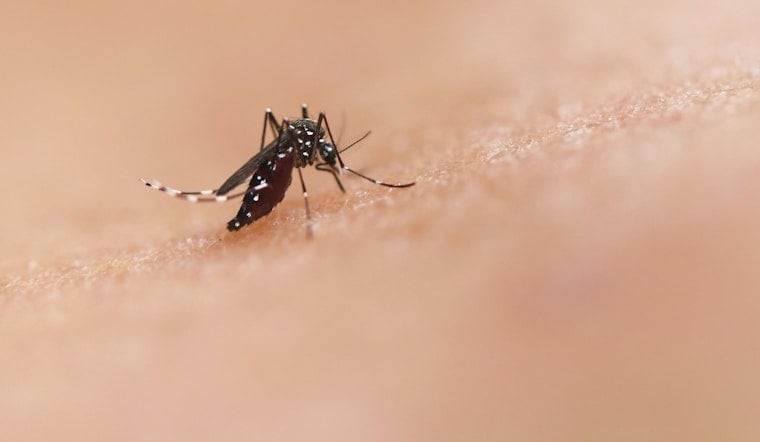
A routine mosquito trap in Mecklenburg County turned up something no one wants to hear in the middle of summer: a positive test for West Nile virus. County public health officials said today that a pooled mosquito sample collected last Tuesday was later confirmed by the state laboratory. So far, there are no known human cases tied to the finding, but the result lands at a time when health agencies across the country are already warning about a busy West Nile season and pushing fresh prevention reminders around Charlotte.
What Mecklenburg officials found
Mecklenburg County Public Health reported that the NC State Laboratory of Public Health tested a pooled trap of mosquitoes from the county and returned a positive result, according to WBTV. County staff announced the result Monday and stressed that no human infections have been identified. Officials described the positive pool as part of ongoing, routine mosquito surveillance and said teams will keep checking traps and known breeding areas. Residents are urged to flag any standing water and to call the county Environmental Health hotline with questions.
Where this fits nationally
On the national map, Mecklenburg’s detection is hardly an outlier. Federal health officials say 23 states have reported West Nile activity so far this season, and confirmed human cases are already higher than usual for this time of year, according to the Associated Press. The CDC notes that West Nile is the leading mosquito-spread disease in the continental United States, with most infections causing no symptoms at all, while roughly 2,000 people a year are formally diagnosed. Older adults and people with underlying health conditions face the highest risk for serious illness, according to the Associated Press.
How to protect yourself
Mecklenburg County Public Health is leaning on the basics to keep the local mosquito population in check. Officials recommend using EPA-registered insect repellents, fixing or installing screens on doors and windows, and dumping out standing water from flowerpots, gutters, buckets, pool covers and birdbaths at least once a week. They also advise wearing long sleeves and pants at dawn and dusk, when the Culex mosquitoes that commonly spread West Nile are most active, or staying indoors during those hours. For details or to report mosquito trouble, residents can call the county Environmental Health hotline at 980-314-1620, according to Mecklenburg County Public Health.
Symptoms and who’s most at risk
Health experts say most people who get West Nile virus never realize it. About one in five infected individuals will develop a fever along with body aches or other mild symptoms, and roughly one in 100 can progress to severe neurologic illness such as encephalitis or meningitis. Adults 60 and older and people living with chronic medical conditions are most likely to suffer the worst complications. The CDC advises that anyone who develops high fever, severe headache, neck stiffness, confusion or other concerning symptoms after mosquito exposure should seek medical care and tell clinicians about possible mosquito bites so they can consider testing.
What officials say next
County leaders say their mosquito surveillance program will keep up routine trapping and testing through the summer, and the public will be alerted if additional positive pools or any human cases are found. The Environmental Health team also offers backyard inspections and practical advice to help residents cut down breeding sites on their own property, according to Mecklenburg County Public Health. Officials are urging residents to stay calm, stay informed and lean on personal prevention as the best defense for the rest of mosquito season.





