

























































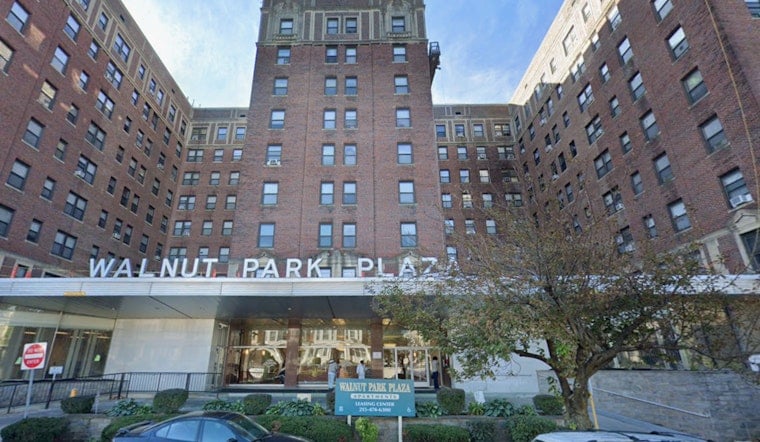
Walnut Park Plaza, the nine-story historic senior housing complex on Walnut Street in West Philadelphia, is set for a major preservation rehab after MCAP and its partners nailed down about $47 million in tax-credit financing. The money is earmarked to keep the building affordable for older Philadelphians and to bankroll a multi-phase overhaul of more than 200 apartments. For the many people stuck on a roughly year-long waiting list, it is a rare bright spot for subsidized 55+ housing in the neighborhood.
How the financing stacks up
According to Berkadia, the firm arranged $47 million in Low-Income Housing Tax Credit (LIHTC) equity on behalf of MCAP Funds, using 4% credits alongside existing Section 8 HAP contracts to complete the capital stack. Berkadia identified McDonald Building Company as the general contractor and Community Realty Management as the property manager, and said the deal will help “preserve affordability and serve residents for years to come.”
Why West Philly needs it
The financing is focused on the 227-unit complex at 6232–50 Walnut St., which the Philadelphia Business Journal reports has about a one-year waitlist. That backlog mirrors a broader shortage of subsidized senior apartments across the city and shows up as a key worry in local planning documents. The Philadelphia Housing Authority’s Moving To Work plan points to preservation and targeted rehab as primary tools to protect existing subsidized units and keep older residents stably housed at affordable rents, outlining strategies to reposition aging properties and expand long-term rental assistance in Philadelphia.
Historic status and past public support
Walnut Park Plaza is listed on the National Register of Historic Places and dates to 1928, and it has served as senior housing since the 1960s, according to the National Register entry. Local redevelopment records indicate that the Philadelphia Redevelopment Authority approved preservation-focused financing for the building in 2020, signaling earlier public investment to steady the property. Federal historic preservation incentives and state programs are often layered with LIHTCs on major rehabs of landmarked buildings, broadening the pool of money available for preservation work and sensitive upgrades.
What comes next
Berkadia’s announcement, dated June 24, 2026, spells out the financing structure and key contractors but does not provide a public construction schedule, according to Berkadia. Specific start dates, the order of phased construction, and tenant-protection measures typically surface in permitting documents and at tax-credit closings, so advocates and residents will be watching those filings and awaiting more details from MCAP and city agencies. For now, the financing locks in a plan to preserve more than 200 affordable senior apartments in West Philadelphia for the foreseeable future.



