

























































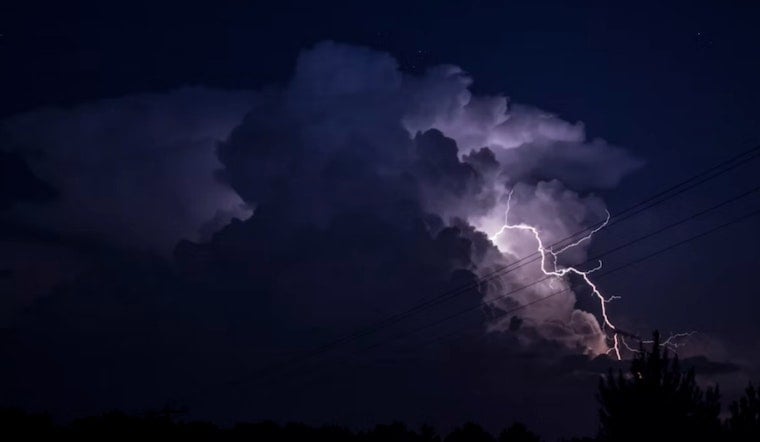
A fast-building severe thunderstorm warning crashed into the mountains of western North Carolina on Friday afternoon, putting Bryson City, Robbinsville and the communities lining Fontana Lake on high alert for damaging winds, hail and frequent lightning. Forecasters cautioned that the storm could knock down trees and trigger isolated power outages.
What the NWS warned
The warning came from the National Weather Service in Greenville‑Spartanburg on Friday afternoon. Meteorologists tracked a storm cell about 9 miles southwest of Bryson City moving northwest at roughly 15 mph, capable of producing wind gusts up to 60 mph and quarter‑size hail of about 1 inch in diameter. The advisory was posted as in effect until 4:30 p.m., and residents were urged to prepare for sudden bursts of high wind and intense lightning.
Communities in the path
Locations singled out in the advisory included Robbinsville, Luada, Wesser, Stecoah, Almond, Nantahala and areas around Fontana Lake, according to the Raleigh News & Observer. The paper reported that the NWS urged anyone on or near Fontana Lake to get off the water immediately and move indoors or into a vehicle. Brief but strong wind bursts were expected to be capable of toppling trees and bringing down power lines.
Driving and water safety
Heavy rain, slick roads and low visibility can quickly turn a mountain drive into a white‑knuckle ride. The Federal Highway Administration notes that wet pavement cuts stopping power and raises the risk of hydroplaning, so drivers should slow down, switch on headlights and steer clear of flooded stretches of roadway. Driver manuals, including those from the Georgia Department of Driver Services, recommend easing off the accelerator if your vehicle starts to skid, steering in the direction you want to go and braking gently once the tires regain traction.
How long this could last
The NC Weather Bot at the Raleigh News & Observer points out that lightning can strike as far as 15 miles from the parent thunderstorm, and that the NWS tallies millions of lightning strikes across the United States each year, with roughly 20 fatalities on average. Forecasters remind people to wait at least 30 minutes after the last rumble of thunder before heading back outside. Residents are encouraged to monitor local alerts and official NWS products in case the warning is extended or new advisories are issued.





