

























































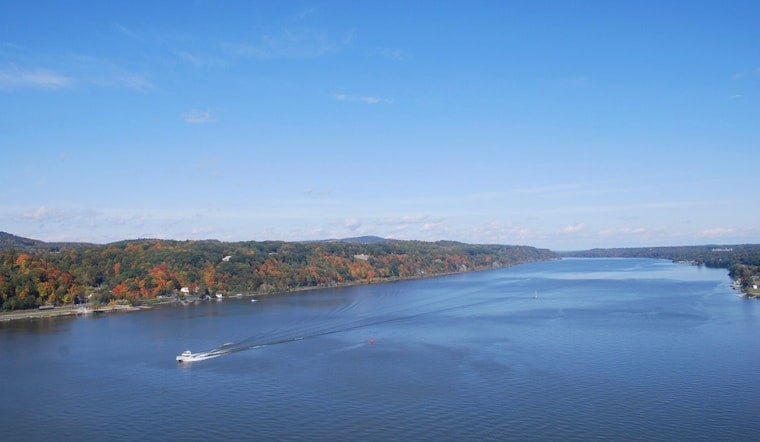
A massive sewage spill in the Hudson River has turned the waterfront from New York City to Tarrytown into a no-go zone, after a power outage at the Yonkers sewage treatment plant sent a large volume of untreated wastewater into the river, Westchester County health officials warned Friday.
The county issued an advisory urging people to stay out of the Hudson along that stretch and to avoid swimming, fishing or any other direct contact with the water while testing is under way. At least one Sleepy Hollow beach club has already been closed, and local officials have been left scrambling over the holiday weekend to respond.
Yonkers Plant Is a Major Regional Facility
The Yonkers Joint Water Resource Recovery Facility is no small neighborhood operation. It treats wastewater for much of southern and western Westchester and is permitted to handle roughly 120 million gallons per day. The plant sits at 1 Fernbrook Street (Ludlow Dock South) in Yonkers, and state permit documents note that it operates multiple treatment and backup-generation systems.
That sheer scale helps explain how a single failure at the site can send a sizable plume of pollution downstream into the estuary, according to NYSDEC.
Neighboring Counties Join the Warning
It is not just Westchester sounding the alarm. Authorities on both sides of the Hudson have urged residents to steer clear of shoreline areas while agencies assess the outflow and track the spread.
Rockland County's health department has warned the public to avoid the Hudson shoreline in that county while partners work to monitor the plume and test water samples, as reported by Monsey Scoop.
Officials: Outage Sent ‘Hundreds of Millions’ of Gallons Into the Hudson
Westchester officials say the power outage at the Yonkers treatment plant allowed untreated sewage to pour directly into the Hudson River. They estimate the volume at “hundreds of millions of gallons,” affecting a stretch from New York City north to Tarrytown.
The county listed communities that could be affected along that corridor: New York City, Yonkers, Hastings-on-Hudson, Dobbs Ferry, Irvington, Tarrytown, Sleepy Hollow and Briarcliff Manor. Philipse Manor Beach Club has been closed while water samples are analyzed.
“A person could experience [gastrointestinal] symptoms if they consume the water,” Westchester County Health Commissioner Dr. Sherlita Amler said, as reported by CBS New York.
Why This Matters and What to Watch Next
Under New York's Sewage Pollution Right to Know law, treatment plants and municipal sewer systems must report untreated discharges quickly and notify the public. The Department of Environmental Conservation posts guidance and historical data while labs and agencies process samples.
Regulators say decisions about reopening beaches and relaxing advisories hinge on lab results and dilution patterns in the river. Officials plan to update advisories as test results come in and repair timelines become clearer. For background on how the state handles these notifications and required reporting, see the DEC's Sewage Pollution Right to Know guidance at NYSDEC.
For now, residents are urged to avoid contact with Hudson River water and keep pets away from the shoreline until authorities lift the advisory. The story is still unfolding, and we will update as Westchester releases lab results and outlines repair plans.



