

























































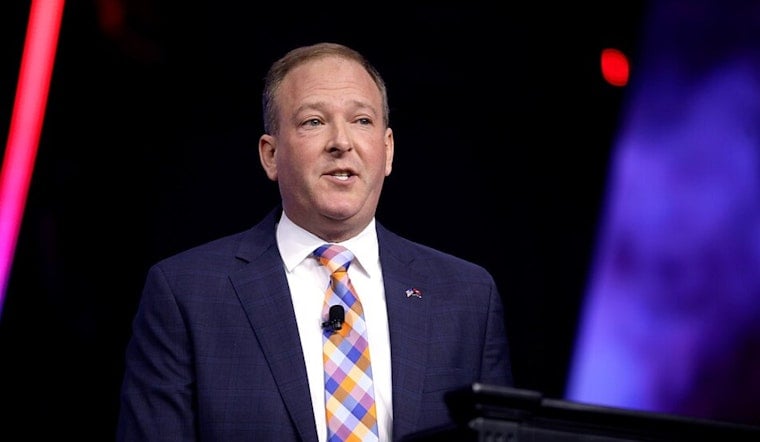
EPA Administrator Lee Zeldin rolled through Columbus on Tuesday to check out a local operation that says it can do what communities across the country are desperate for: permanently destroy PFAS, the notorious “forever chemicals” that do not like to break up and go away.
The visit to Revive Environmental’s west-side facility came as part of a multi-city Ohio swing where Zeldin spotlighted the agency’s work on water treatment and energy, turning this particular stop into a live look at one of the higher-profile PFAS destruction pitches now on the market.
Inside the plant, Zeldin and other officials were walked through several of Revive’s PFAS Annihilator units and the company’s intake-to-destruction workflow. Revive says its system destroys PFAS outright rather than simply shifting pollution from one place to another, according to a press release from GlobeNewswire.
Revive’s commercial pitch
Revive bills itself as one of the first commercial PFAS destruction operators in North America, running permitted fixed facilities and mobile units that handle AFFF firefighting foam, landfill leachate and industrial wastewater. The company says it helps manage state takeback programs and lines up independent testing to confirm treated effluent is clean before discharge, per Revive Environmental.
How the annihilator works
The technology at the heart of the pitch is supercritical water oxidation, or SCWO. The process heats and compresses contaminated liquids beyond water’s critical point so an intense oxidation reaction can snap the carbon–fluorine bonds that make PFAS so stubborn in the environment.
Independent coverage has flagged SCWO as a promising option that comes with tradeoffs, including significant energy demands and engineering challenges, according to reporting by Chemical & Engineering News.
Why the EPA officials showed up
The Columbus stop tracks with the EPA’s push to ramp up PFAS research, channel money to state and local responses and give water systems timelines that are meant to be tough but still workable. That includes nearly $1 billion in grant funding and a plan to update PFAS disposal and destruction guidance every year, part of a broader strategy laid out by the EPA.
Where this fits for communities
Revive, which spun out of Battelle, has been tapped to handle state takeback and collection programs and says those efforts have moved thousands of gallons of gathered AFFF foam into its destruction units for verified treatment. The company’s own materials describe work in New Hampshire, New Jersey and Ohio and lay out how foam is collected, transported, processed and then third-party tested before discharge, according to Revive Environmental.
The visit also highlighted a central tension as PFAS standards tighten. Removing the chemicals from water is only half the battle; communities still need affordable, permitted ways to permanently destroy what is collected and clearer rules for what can safely go down sewers or out discharge pipes. Local coverage notes that Zeldin wrapped up his Ohio tour in Chillicothe with a visit to PACCAR’s truck plant, a reminder that the administration is pairing environmental tech talk with a steady jobs-and-industry message, per WSYX/MyFOX28 Columbus.



.jpg)