

























































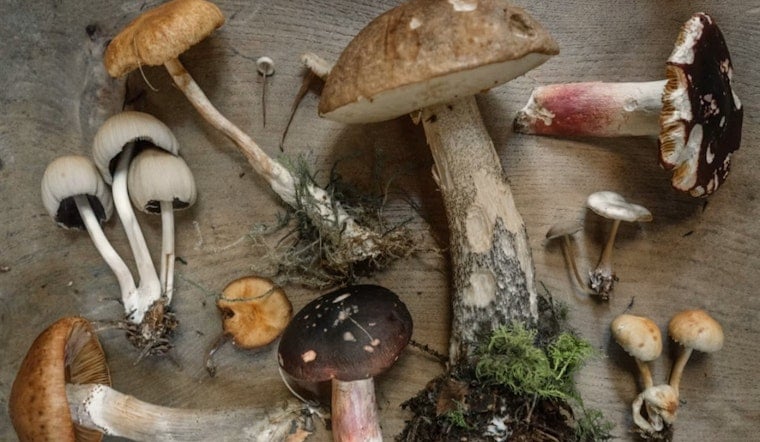
Thirteen people across Northeast Ohio have gotten sick after eating wild mushrooms over the past 10 to 12 days, and one of them ended up needing a liver transplant. Five patients were treated at Cleveland Clinic, including eight people who reportedly ate mushrooms from the same batch, as doctors scramble to warn residents that the toxic fungi popping up in yards and parks can look just like something you'd buy at the grocery store.
Dr. Aanchal Kapoor said anyone who starts feeling ill after eating wild mushrooms should seek medical attention right away, according to Cleveland 19 News. Dr. Christopher Bazzoli, also with Cleveland Clinic, said a poisonous mushroom can look nearly identical to a store-bought variety to an untrained eye, and emphasized that it takes a genuinely skilled mushroom hunter to know which ones are actually safe. Poisonous mushrooms can trigger symptoms anywhere from a few minutes to a few hours after they're eaten, and Cleveland Clinic doctors have warned people not to eat wild mushrooms growing in yards and parks at all.
Why Foraging Apps Aren't the Answer
Bazzoli specifically called out the trend of using TikTok videos and phone apps to try to identify safe mushrooms, saying they simply cannot be trusted for that purpose. He said the risks of eating unidentified wild mushrooms are high, a warning that lines up with why misidentification remains such a persistent problem region-wide. Among the roughly 2,000 wild mushroom species found across Ohio, the Eastern Destroying Angel contains fatal amatoxins and closely resembles edible puffballs or meadow mushrooms in its immature button stage, according to Ohio State University Extension. Young destroying angels don't reveal telltale stem features until they're sliced open, which helps explain why even careful foragers get fooled.
The current cluster follows a wave of wet weather that Summit County Public Health says has triggered widespread blooms of toxic wild mushrooms across local lawns and landscapes. The humid summer conditions combined with late-August rainfall create prime growing conditions for yard fungi throughout the region, per the City of Macedonia. That surge tracks closely with the timeline Dr. Kapoor described, in which 13 people fell ill within roughly a week and a half.
A Deceptive Delay Before Organ Failure
Part of what makes amatoxin poisoning so dangerous is a deceptive latent phase, during which severe gastrointestinal symptoms briefly subside 12 to 24 hours after ingestion even as internal organ destruction continues, according to Cleveland Clinic Health Essentials. Patients often mistakenly believe they've recovered right before acute liver and kidney failure sets in. This isn't the first time the region has seen a poisoning cluster tied to shared meals: in September 2018, Cleveland Clinic doctors treated five members of a single Northeast Ohio family who developed acute liver failure after eating a meal cooked with wild mushrooms harvested from a neighbor's garden, according to a case report published on ResearchGate.
In severe amatoxin cases, Cleveland Clinic liver specialists have also used silibinin, an experimental intravenous milk-thistle extract antidote available in clinical trials to block liver cells from absorbing amatoxins, which has been associated with cutting the need for liver transplants by more than half. Even with that option, one person from the current cluster still required a liver transplant, underscoring how quickly amatoxin poisoning can escalate once it takes hold.
The Law on Selling Wild Mushrooms
Ohio Administrative Code Rule 3717-1-03.1 strictly prohibits food service operations and retail food establishments from serving or selling wild-foraged mushrooms unless they are cultivated species produced under regulated agency oversight. The rule underscores that commercial vendors are required to source mushrooms through certified suppliers rather than foraging them from yards or parks, drawing a clear legal line between what's allowed in a restaurant kitchen and what people gather for themselves at home.
Nationally, accidental poisonous mushroom ingestions send roughly 1,328 people to emergency rooms and lead to about 100 hospitalizations across the United States every year, according to a CDC analysis of national healthcare data. U.S. poison centers also field more than 4,500 calls a year about exposures to unidentified wild mushrooms, with children under six accounting for roughly half of all cases, per America's Poison Centers data reported by NBC News. A five-year retrospective study by the Central Ohio Poison Center recorded 259 cases of natural mushroom ingestions among children under six across its 64-county service area, a reminder that yard mushrooms pose a risk well beyond adult foragers.





