

























































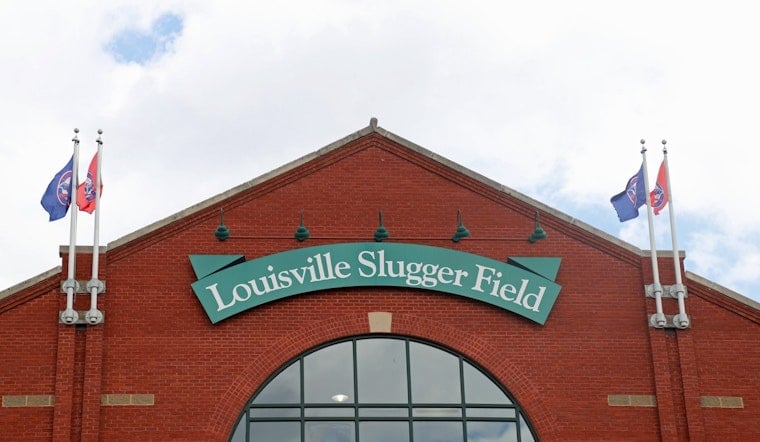
A $250 million plan to turn a game-day parking lot next to Louisville Slugger Field into a dense mix of apartments, a hotel, and restaurants is now one big regulatory step closer to breaking ground. The Louisville Arena Authority has approved a tax increment financing carve-out for the project, clearing the way for financing and construction to begin in early 2027.
The approval matters because the parking lot sits inside the KFC Yum! Center's broader downtown tax district, meaning revenue generated there has helped service the arena's debt. As reported by WLKY, the carve-out has now been approved for the new development. The Louisville Arena Authority, established in 2005 to oversee management and operation of the KFC Yum! Center, held authority over the parking lot because it fell within the arena's tax collection boundary, according to the Louisville Arena Authority.
The Louisville Sports Entertainment District is a joint venture between Houston-based developer Machete Group and New York-based Diamond Baseball Holdings, the owner of the Louisville Bats, according to GoToLouisville.com. Diamond Baseball Holdings acquired the Bats before teaming with Machete Group to pitch the mixed-use district. Machete Group brings a national resume of sports-anchored real estate work that includes planning work related to Chase Center in San Francisco, per the site's report on the site.
What's Actually Getting Built
Plans call for a 500,000-square-foot footprint that includes more than 200 condos and apartment units, a 10-story, full-service boutique hotel, office and meeting space, retail and restaurant bays, an on-site parking garage, and a dedicated public entrance to Slugger Field, per the same GoToLouisville.com account. The project is expected to house over 250 people downtown, according to WLKY. It will also provide more places to eat throughout the year and, per WLKY, drive more investment and more people to downtown Louisville.
Greg Galiette said the project changes the landscape of downtown and concentrates downtown energy in the area, according to WLKY's reporting. The development sits between Slugger Field and the Interstate 65 interchange, engineered to serve as an urban bridge connecting downtown with the Butchertown, NuLu, and Waterfront Park neighborhoods, GoToLouisville.com notes. The project is intended to connect east-side neighborhoods with the central business district, per that same report.
A Neighborhood Built Around a Ballpark
Slugger Field opened in April 2000 at a construction cost of $40 million, or roughly $74.8 million in 2025 dollars, and included the restoration of the historic 1839 Brinley-Hardy train shed warehouse into the stadium's main concourse, according to KNBA. The 13,300-seat ballpark opened as the home of the Louisville Bats, and WLKY describes it as the first vital investment downtown in the 1990s, when businesses and residents began forming a full-fledged neighborhood. The new district would sit steps from that same outfield.
Louisville Downtown Partnership Executive Director Rebecca Fleischaker said in December 2024 that residential development is needed to improve downtown vibrancy and safety, per GoToLouisville.com's report. Mayor Craig Greenberg said over 250 people will live downtown and called the project transformative, according to WLKY. The development also uses an underutilized Louisville Metro Government-owned surface lot, GoToLouisville.com reports.
Timeline, Trade-offs, and Charitable Commitments
Following the TIF approval, developers anticipate breaking ground in early 2027, according to ICSC. WLKY reports the project is expected to take about two years once construction starts and will impact baseball operations at Slugger Field, since the site currently functions as an underutilized city-owned parking lot used only on game days. The proposal was announced in December 2024, and approvals were to begin.
The financing agreement also builds in charitable commitments to local social service providers. It designates $10,000 for Feed Louisville's meal distribution programs and $15,000 for the St. John Center's emergency shelter and housing assistance services, according to budget documents cited by LouisvilleKY.gov. Both agencies are local social service providers. The district was originally announced in 2024, and with the tax financing hurdle now cleared, the next milestone for downtown Louisville watchers will be whether the project sticks to its early spring 2027 groundbreaking target.





