

























































Pittsburgh Public Schools is temporarily shifting 35 buildings to synchronous remote learning starting Tuesday, Sept. 1 through Thursday, Sept. 3, as forecasters call for temperatures climbing into the 90s next week. The district says students in the affected buildings will log on from home rather than report to classrooms lacking adequate cooling.
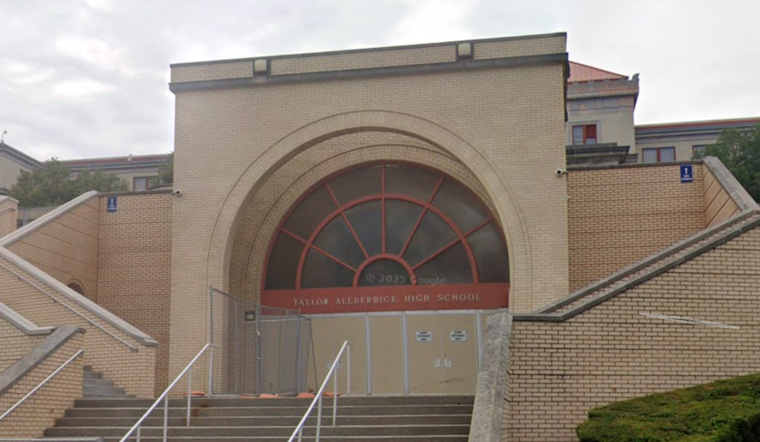
The move is the latest activation of the district's Extreme Heat Protocol, which the district implemented at the schools most affected by forecasted conditions, according to a district release cited by WTAE. The protocol kicks in when the National Weather Service forecasts outside temperatures reaching or exceeding 85 degrees Fahrenheit, or a heat index of 90 degrees or higher, per the district's own criteria as relayed by the station's reporting. Buildings shifting to remote instruction include Fulton, Allderdice, Arsenal 6-8, Perry and Grandview, among the 35 total.
Once temperatures meet that outdoor threshold, the district also monitors indoor conditions and evaluates whether remote learning or other measures are necessary if instructional spaces reach 90 degrees Fahrenheit or higher, per the district's release. Superintendent Dr. Wayne N. Walters first established and activated this formal protocol in May 2023, when 41 district buildings lacked adequate air conditioning, according to TribLIVE.
A Recurring Late-Summer Disruption
This is not an isolated event. In June 2024, the district shifted 39 facilities to remote instruction twice within two weeks due to early summer heat spikes, according to CBS News. Pittsburgh's predicament also mirrors a broader national pattern: school districts across Texas, Georgia and Florida experienced similar forced closures and emergency shifts to virtual learning in August 2026, as reported in Hoodline's earlier coverage of a Decatur, Georgia heat closure.
To keep remote students fed, the district maintains a Grab-and-Go meal distribution network operating across regional school hubs between 7 a.m. and 9 a.m., providing breakfast and lunch during these shutdowns, per the same CBS News account. State law gives the district legal cover to count these days toward its instructional calendar: under Section 1506 of Pennsylvania's Public School Code, enacted through Act 64 of 2019, districts may use Flexible Instructional Days to maintain instruction during emergency weather without extending the school year past the state's 180-day minimum, according to the Pennsylvania Department of Education.
The Cost of Fixing It Outright
The reason Pittsburgh Public Schools leans on remote learning instead of simply installing air conditioning everywhere comes down to money. The district estimated in 2024 that equipping its 37 uncooled facilities with adequate air conditioning would cost between $443 million and $552 million, per CBS News. Even smaller-scale fixes carry steep price tags: adding modern AC systems to just five buildings during the 2023-2024 school year required capital expenditures exceeding $30 million, the outlet reported.
That financial strain is compounded by a shrinking student body. District enrollment has fallen from roughly 32,000 to 18,000 students over recent decades, leaving Pittsburgh Public Schools with excess physical capacity and deferred maintenance across its aging buildings, according to CBS News. In May 2026, the district's Board of Public Education voted 6-2 to approve its Future-Ready Facilities Plan, which will close 12 schools across nine buildings starting in the 2027-28 school year to eliminate more than $100 million in facility expenditures, per a district news release.
Fulton's Overlap With Planned Closures
Fulton PreK-5, one of the 35 buildings shifting to remote instruction this week, is also among the schools slated for permanent closure under that facilities plan, according to the same district release. Hoodline previously reported on how that closure decision has already threatened one student's hard-won progress. The overlap underscores the district's dilemma: investing tens of millions of dollars in cooling systems for a building already scheduled to shut its doors within a few years is a difficult trade-off for administrators weighing where limited capital dollars should go.
For now, families at the 35 affected buildings are being asked to prepare for three days of remote learning beginning Tuesday, with students expected to log in for synchronous instruction rather than report to campus. WTAE's Caitlyn Scott, who covered the announcement, noted the district's reliance on forecasted temperature thresholds to trigger the shift. The Extreme Heat Protocol remains the district's primary tool for balancing student safety against the far larger, unresolved question of how to fund permanent cooling upgrades across its aging school system.


