

























































A 4-year-old child died Thursday night after an apparent electrical shock from a clothes dryer inside a home in Savonburg, Kansas, a tiny community in Allen County where emergency dispatchers received a 911 call just after 9:30 p.m. reporting that a child was not breathing. The child had been playing inside the home before the shock occurred, and hospital personnel later pronounced the child dead. Law enforcement officials have described the incident as an apparent accident, and authorities have not publicly identified the victim.
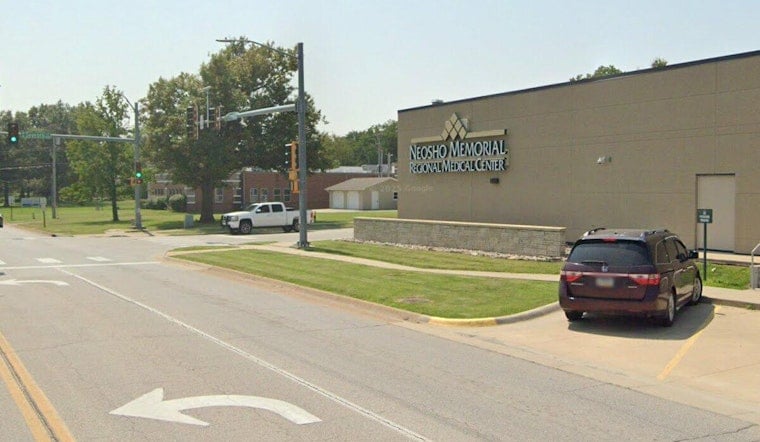
The Allen County Sheriff's Office became involved after dispatchers took the emergency call, and the child's parents transported the unconscious child to Neosho Memorial Regional Medical Center in Chanute, Kansas, according to Cleveland.com. The hospital sits roughly 22 miles from Savonburg, and Thrive Allen County describes the city as having no practicing doctors and being geographically isolated from healthcare, according to Thrive Allen County. The Allen County Sheriff's Office said the investigation into the death remains ongoing, and officials have indicated that criminal activity was not involved.
A Community of Just 74 People
Savonburg is a small city in eastern Allen County with a recorded population of just 74 residents as of the 2020 U.S. Census, according to the U.S. Census Bureau. The community, originally founded by Swedish immigrants in 1879, covers only about 0.2 square miles in southeast Kansas. The rural setting meant that when the emergency unfolded on August 6, the nearest hospital-level care was a car ride away rather than a short trip across town.
According to investigators, the shock involved a 220-volt clothes dryer, the same type of major household appliance that carries a distinct hazard profile compared with standard outlets. A dryer circuit is approximately 240 volts and uses two 120-volt hot conductors, carrying a significantly higher risk of severe muscular contractions, cardiac arrest, and fatal electrocution upon contact, per the safety resources compiled by Consumer Watch. The Consumer Product Safety Commission estimates that roughly 400 people die each year from electrical shocks and electrocutions inside U.S. homes.
Why Dryers Pose an Outsized Risk
Large household appliances, including electric clothes dryers, can pose serious electrocution hazards. Older wiring configurations compound that risk. Prior to 1996, electrical standards allowed a dryer's neutral conductor to bond directly to its metal frame, a setup that could energize the entire cabinet if the neutral connection failed, according to a report from ExpertCE. The National Electrical Code mandated four-wire, grounded branch circuits for all new residential dryer installations starting that year specifically to close that gap. The publicly available event report does not describe the Savonburg home's dryer circuit, grounding, or cord condition.
National Numbers Behind a Local Tragedy
The Kansas tragedy has renewed attention on electrical safety hazards inside homes generally and the risks those hazards can pose to young children. Notably, about 70% of child-related electrical accidents happen inside the home while adult supervision is present, the organization's data shows, a reminder that these hazards can strike even during ordinary household routines.
The U.S. Consumer Product Safety Commission advises that families use properly installed outlet covers and tamper-resistant receptacles, along with federally recommended child-resistant protective devices that cannot easily be removed and are designed to reduce access to energized outlets and components. The commission also recommends inspecting electrical products every six months. The cost of retrofitting an average home with tamper-resistant receptacles is not specified.
The incident was described as an accident rather than a criminal matter. Law enforcement officials extended condolences to the child's family, along with the dispatchers, first responders, and medical personnel involved in the response. The Allen County Sheriff's Office said its investigation remains ongoing.





