

























































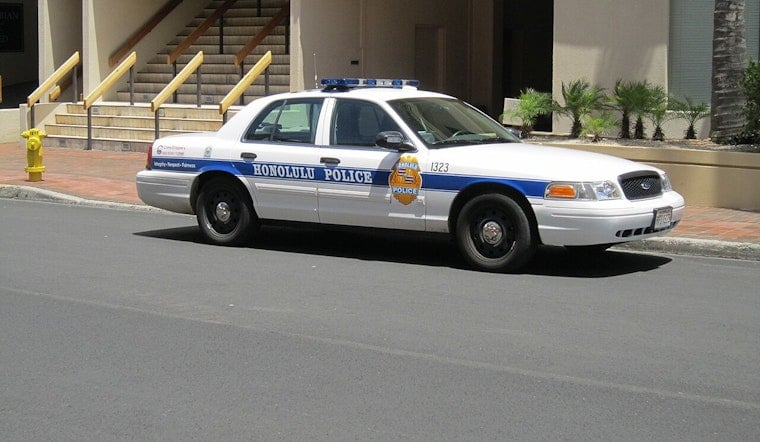
A 62-year-old man died Wednesday after becoming unresponsive while snorkeling in the waters off Ko'Olina, according to the Honolulu Police Department. He was rushed to a nearby hospital, where he was pronounced dead.
The man was snorkeling off Ko'Olina when he became unresponsive, as reported by KITV. Police confirmed there were no indications of foul play in his death. Officers have not released the man's name or hometown, and the exact circumstances of how he went from swimming to unresponsive remain unknown.
Ko'Olina's four man-made lagoons were built in the 1980s by developer Herbert Horita, who used rock breakwaters to block open-ocean surf and create calm, shallow basins that draw both resort guests and day visitors, according to Ola Properties. Those breakwaters keep the surface calm, but ocean currents still circulate through gaps between the lagoons and the open sea. Notably, the lagoons are privately owned and have no county lifeguards stationed on duty, meaning swimmers and snorkelers are effectively on their own unless a bystander or resort staffer happens to notice trouble.
A Pattern of Tragedy at Oahu's Lagoons
This is not the first fatal water emergency tied to Ko'Olina's coves. In April 2023, a 5-year-old child vacationing in Hawaii drowned after becoming distressed while snorkeling at Ko'Olina Lagoon 4, a tragedy documented by SFGATE that underscored how deceptively calm the lagoons' surface can be even as trouble brews beneath it. More recently, Hoodline reported that a 23-year-old diver was left in critical condition following a separate water rescue near Ko'Olina last November.
Wednesday's death also fits a wider, grim trend across Oahu this year. In June, a 78-year-old tourist died at Hanauma Bay after being pulled unresponsive from the water during a snorkeling emergency. Hoodline has also covered fatal snorkeling incidents involving a 62-year-old visitor at Hookena Beach Park in South Kona last December and an Oklahoma tourist who died following a desperate ocean rescue at Moloa'a Beach in May.
Why Snorkeling Carries an Outsized Risk
State health data compiled by the Hawaii Department of Health shows drowning is the fifth leading cause of fatal injuries among Hawaii residents but the leading cause among non-resident visitors, with 84% of all fatal drownings occurring in ocean waters. Snorkeling is the single activity most associated with those deaths, accounting for 27% of all ocean drownings statewide and 42% of ocean drownings among non-resident visitors specifically, per the department's figures.
Medical researchers have offered one explanation for why snorkelers can go from fine to unresponsive with little warning. A peer-reviewed study published through the National Institutes of Health identified Rapid Onset Pulmonary Edema, or ROPE, as a primary physiological trigger behind silent snorkeling drownings in Hawaii. The condition occurs when negative chest pressure from breathing through a snorkel tube causes fluid to rapidly fill the lungs, and it can induce fatal hypoxia within minutes even in calm water without the victim ever swallowing seawater. Separately, equipment reviews have flagged that full-face snorkel masks carry their own risks, since their higher internal volume can allow carbon dioxide to build up and trigger disorientation or sudden loss of consciousness, according to Divevolk.
Lifeguard Gaps Remain a Statewide Issue
Honolulu Civil Beat reporting has found that an average of 42 to 45 visitors fatally drown in Hawaiian waters every year, with more than 200 visitor snorkeling deaths recorded statewide over the past decade. The outlet has also reported that roughly two-thirds of ocean drownings along Oahu's 227-mile coastline happen at unguarded beaches, where there is no lifeguard on scene to begin rescue or CPR immediately. That absence of active supervision at private resort coves like Ko'Olina leaves emergency response dependent almost entirely on bystanders spotting trouble and dispatched paramedics arriving in time.
Honolulu police have not indicated that any additional information about Wednesday's death will be released, and the underlying medical cause of the man's sudden unresponsiveness has not been disclosed.





.jpg)