

























































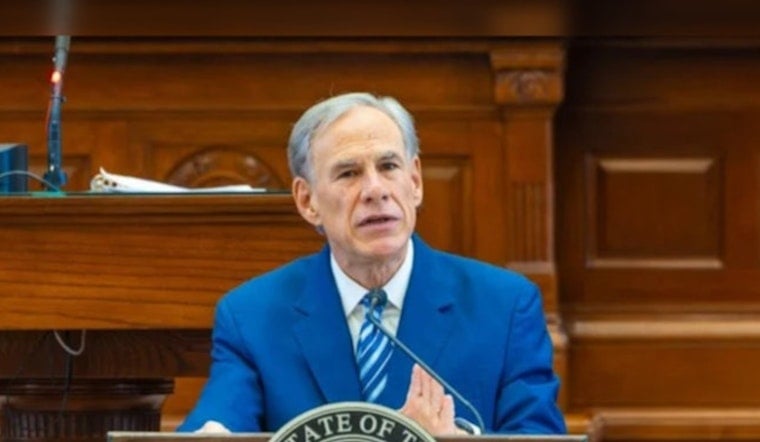
Texas Governor Greg Abbott has directed the Texas Higher Education Coordinating Board to create a working group tasked with building a statewide framework for three-year bachelor's degree pathways, with the goal of getting students into high-demand, high-wage jobs a full year sooner. The directive, announced Wednesday, calls for recommendations to be delivered to the Governor's Office by Thursday, December 31, 2026.
“Every semester adds tuition, fees, housing, food, transportation, and other living expenses and delays students' ability to begin their careers,” Abbott said, according to the Governor Abbott Press Office. “Texas students deserve the option to receive a degree in a high-demand, high-wage field in less time. I direct the Coordinating Board to develop a statewide framework for three-year bachelor's degree pathways.” Texas Higher Education Commissioner Wynn Rosser echoed that framing, saying three-year programs “could help motivated students enter high-demand fields a year earlier” and would “lower the cost of education and help satisfy workforce demands in the Texas economy.”
Gov. Abbott directed the Texas Higher Education Coordinating Board to create a framework for 3-year bachelor’s degrees.
— Governor Abbott Press Office (@GovAbbottPress) August 26, 2026
The goal: help students earn a degree in high-demand fields, enter the workforce faster, and start earning sooner. pic.twitter.com/k7MrVEEGdc
What the Working Group Must Figure Out
The order lays out five specific areas the working group has to address: academic standards for the compressed degrees, which degree programs and high-demand occupations are best suited for acceleration, student demand and employer workforce needs, accreditation and institutional approval requirements, and any statutory or regulatory changes needed to actually implement the pathways. THECB will pull together public universities, employers, accrediting organizations and faculty leadership to work through those questions before the December deadline.
Once the working group's recommendations land on Abbott's desk, the governor has said he'll take the next step through the Legislature. He plans to work with lawmakers next session to codify an accelerated three-year degree pathway that keeps Texas positioned as a national leader in affordable, accessible higher education, per the press office's announcement.
Why Texas Colleges Take So Long Already
The push responds to a real completion gap. Texas Higher Education Coordinating Board data published in August 2025 shows only 40% to 45% of full-time students at Texas public four-year universities graduate within four years, though 66% eventually finish within six, according to the Texas Higher Education Coordinating Board. Older board data cited by the Texas Tribune found the average full-time public university student in the state takes about five years and racks up more than 140 credit hours for what's supposed to be a 120-credit degree, tacking on an estimated $6,600 or more in extra coursework expenses.
A National Trend Texas Is Now Joining
Texas isn't inventing this idea. Nearly 60 U.S. colleges and universities had already launched or piloted 90-credit bachelor's pathways by mid-2025, largely by trimming general electives rather than piling on overload course schedules, spurred by initiatives like the College-in-3 Exchange, as reported by PBS News. The first regional accreditor to sanction the model was the Northwest Commission on Colleges and Universities, which approved 90-credit degrees for Brigham Young University–Idaho and Ensign College back in Fall 2023, per the same outlet's reporting.
Other states have moved faster on the legislative side. Indiana passed a law in March 2024 requiring public universities to offer at least one three-year degree by July 2025, while Virginia partnered with Ohio in June 2026 on a “Scaling College in 3” initiative, according to Higher Ed Dive. Closer to home, Oklahoma lawmakers introduced a House bill in February to study the feasibility of similar 90-credit degrees, a step Texas is now leapfrogging with a direct gubernatorial directive.
Accreditation Rules Still Loom Large
Any Texas framework will have to answer to the Southern Association of Colleges and Schools Commission on Colleges, the region's accrediting body, which published guidance in March 2026 requiring distinct program naming and clear disclosures about potential limitations for employers or graduate schools considering three-year graduates, per BestColleges. Whether SACSCOC ultimately requires Texas schools to brand these as something like “applied bachelor's” degrees, and whether graduate programs and licensing boards will fully recognize the truncated credential, remain open questions the working group will have to navigate.
Part of a Broader Texas Higher-Ed Overhaul
The three-year push slots into a string of recent state moves aimed at speeding up degree completion and loosening rigid credential requirements. Texas Woman's University is separately seeking approval for a low-cost associate-to-bachelor's pathway in downtown Dallas, targeting thousands of students who never finished college. THECB also proposed in July a performance-based funding model that would tie 60% of state university incentive dollars to degree completion and 40% to student momentum milestones rather than raw enrollment counts. And that same month, Texas expanded skills-based hiring rules across state agencies, dropping four-year degree requirements for dozens of job series in fields like accounting, IT and environmental protection.
Community colleges have their own constraints in this landscape. Texas Education Code caps public community colleges at five baccalaureate degree programs, typically structured as 120-credit applied degrees requiring state approval, a limit on display when Houston City College rolled out three new bachelor's degrees this June. The three-year directive builds on Texas's strategic plan, “Building a Talent Strong Texas,” which aims for 60% of working-age Texans to hold a postsecondary credential of value by 2030, with 95% of graduates carrying zero or manageable debt.





