

























































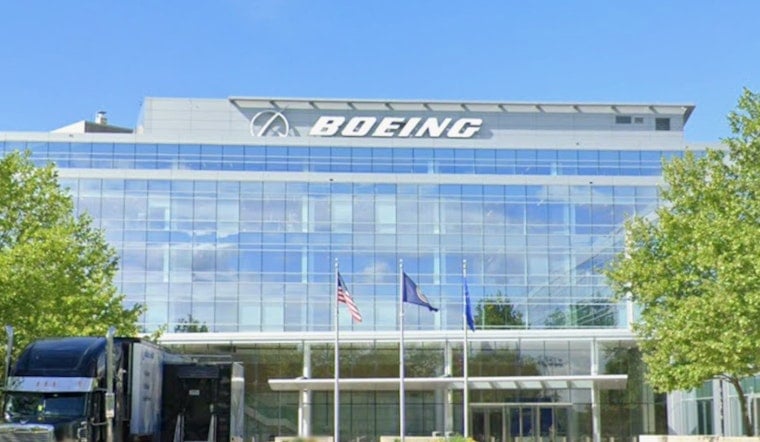
Boeing is exiting the autonomous flight business it spent nearly two decades building, agreeing to sell three subsidiaries — Wisk Aero, SkyGrid, and Insitu — to Archer Aviation in a deal signed yesterday. In exchange, Boeing will receive a nearly 16.5 percent stake in Archer, a seat on the company's board, and the opportunity to buy up to $200 million more in Archer shares at preset prices over the next several years.
The transaction, first reported by The New York Times, transforms Archer from a single-vehicle electric air taxi developer into a far broader aerospace and defense operation. Under the definitive agreement, Archer will issue Class A shares equal to 19.75% of its pre-closing equity to Boeing, along with $200 million in warrants split into two tranches carrying strike prices of $13.00 and $17.88, exercisable for up to 48 months after closing, according to TradingView. The deal is expected to close by the end of 2026, pending regulatory approval, per the Times.
From Courtroom Rivals to Corporate Partners
The merger unites two companies with a genuinely bitter history. Wisk Aero accused Archer of stealing proprietary information in 2023, a dispute the two companies settled that same year — a settlement that initially led Boeing to make an undisclosed minority investment in Archer, according to the Times. That courtroom rivalry has now given way to full strategic integration, a pivot that Seeking Alpha called a dramatic reversal for two former adversaries.
Wisk Aero itself has a winding corporate lineage. It was formed in 2019 as a partnership between Boeing and Kitty Hawk, the venture backed by Google co-founder Larry Page, before Boeing took full ownership of the unit in May 2023, according to FLYING Magazine. The company completed the first flight test of its certifiable Gen 6 autonomous air taxi in Hollister, California, in December, per the same outlet's reporting on the program's development. Wisk is developing an electric autonomous air taxi, per the Times, while SkyGrid — an Austin-based venture Boeing launched with AI firm SparkCognition in November 2018, according to Dronelife — is building an automated air traffic management system that was folded into Wisk last year.
A Defense Business Comes Along for the Ride
The third piece of the deal, Insitu, is a different animal entirely: an established maker of unmanned aircraft for military purposes. Boeing originally purchased the drone manufacturer in 2008 for roughly $400 million to build military reconnaissance assets like the ScanEagle and RQ-21A Blackjack, according to DRASTIC NEWS, before Boeing began evaluating a sale in early 2025. The unit brings Archer more than $200 million in annual revenue, operations in 35 countries, and a track record of over 3,500 manufactured uncrewed systems, per Investing.com.
Archer's aircraft, going forward, are expected to serve both commercial and defense uses, according to the Times. Brian Yutko, an Archer executive, said the transaction will create an industry leader in the advanced aviation market, per the Times' reporting on the announcement.
Boeing Keeps the Technology, Loses the Overhead
Under a cross-licensing agreement tied to the deal, Boeing will retain perpetual access to Wisk's autonomous flight intellectual property for its own commercial and defense aircraft — technology that could support early work on an eventual successor to the 737, according to The Air Current. The arrangement lets Boeing preserve access to the autonomy research without continuing to fund the subsidiaries' operating costs, and Boeing will also enter a broader technology-sharing agreement with Archer as part of the transaction, per the Times.
Archer also signed a Forward Equity Purchase Agreement giving it the ability to require Boeing to buy up to $55 million in additional shares, contingent on Archer completing a broader third-party equity offering targeting at least $400 million, according to Stock Titan. That backstop underscores the scale of capital Archer expects to need as it absorbs three new business lines.
Part of a Larger Boeing Retreat
The divestment fits into a broader restructuring under Boeing CEO Kelly Ortberg to shed non-core assets and focus on its core commercial airplane and defense businesses. It follows Boeing's $10.55 billion sale of its Jeppesen software business in 2025 and the company's re-integration of supplier Spirit AeroSystems, according to Flight Plan.
For Archer, the move comes just months after the company hit an FAA milestone while posting steep losses, having completed Phase 3 of the FAA's Type Certification process for its Midnight air taxi while reporting a $217.7 million net loss in the first quarter as it prepared for commercial launch and a role in the 2028 Los Angeles Olympics. Archer previously moved to build an air taxi hub by acquiring a ground lease at Hawthorne Municipal Airport, and the company has also been named in federal and state pilot projects for advanced air mobility in Texas and Florida. Whether Archer can integrate three distinct engineering cultures — an eVTOL air taxi maker, a defense drone manufacturer, and an airspace software developer — while still executing its planned $400 million capital raise remains an open question as the deal heads toward its expected close.





