

























































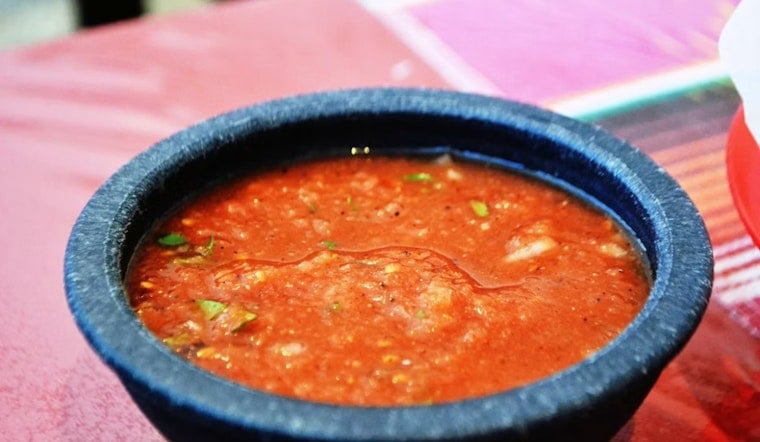
Home cooks around Ashtabula County have a rare shot at public bragging rights next Sunday, when the Ashtabula Local Food Festival returns to Bridge Street with a fresh salsa competition open to anyone using local produce. Entries are accepted from 9 to 10 a.m. on September 6 at the Riverbend Hotel, 533 Goodwill Drive, and judges begin tasting at noon before announcing winners at 4:30 p.m. alongside a companion flower bouquet contest.
The festival, which began about four years ago, runs from 10 a.m. to 4 p.m. along Bridge Street in Ashtabula Harbor, according to Cleveland.com. The salsa contest requires locally grown ingredients and is meant to highlight Ashtabula County's tomato production, a crop organizer Gallo says thrives thanks to the region's soil. Gallo, who organizes the festival and owns Harbor Gardens, said Ashtabula has some of the best tomatoes in the world because of its soil, and added she's looking forward to the variety of salsas entrants bring to the table.
Gallo's claim about the county's produce has some federal backing: Ashtabula County ranks second among all 88 Ohio counties in the market value of fruits, tree nuts, and berries produced, according to the USDA National Agricultural Statistics Service. The county is home to more than 1,000 farms, per the same agency's more detailed count of 1,034 farms spanning 134,274 acres, with an average farm size of 130 acres. Those farms grow soybeans, corn, and the produce that supplies local farmers markets, the article notes, even as the county's roughly 50 wineries and nearly 800 harvested acres of grapevines anchor the Grand River Valley wine region, according to the Ohio Department of Agriculture.
Why Homegrown Salsa Rarely Gets a Public Stage
There's a regulatory quirk behind why a salsa cook-off matters to amateur cooks in the first place. Traditional canned or fresh salsa cannot legally be produced or sold commercially under Ohio's Cottage Food Law without a commercial license, since canned and acidified foods require specialized thermal processing or strict temperature controls, according to FoodSafePal. That means a community festival competition is one of the few legal venues where home cooks can showcase their tomato and pepper recipes to the public without navigating expensive commercial kitchen licensing.
Gallo has bigger ambitions for the county's agricultural identity too, saying Ashtabula County has the potential to be the breadbasket of the east. Beyond tomatoes and peppers, the county counts 13 honey producers and nine meat-processing facilities, according to the same Cleveland.com report, underscoring a food economy that stretches well past its famous vineyards.
Flowers, Farmers Market and a Full Day on Bridge Street
Flower growers are also invited to enter the bouquet arrangement competition, which requires locally grown flowers and foliage and shares the same 9 to 10 a.m. drop-off window at the Riverbend Hotel. A people's choice vote for the flower entries runs from 10 to 11:30 a.m., before the salsa and flower winners are announced together at 4:30 p.m. Prizes across the festival include Bridge Street Bucks, books and serving dishes.
The Ashtabula Farmers Market will be featured from 10 a.m. to 4 p.m., running alongside street vendors, food trucks, cooking demonstrations and even goat petting. Live music plays from 10 a.m. to 3 p.m. at Carlisle Pavilion, a public riverfront park created by converting a former dock pad into an elevated gathering space overlooking the Ashtabula River navigation channel, according to the Civic Development Corporation of Ashtabula County. Sidewalk chalk art, led by Becca Elizabeth Payne, runs from noon to 3 p.m.
A Food Passport Connects the Harbor's Newest Eateries
For visitors who want a taste of the harbor beyond the festival footprint, the Taste of Ashtabula Passport offers a small food-and-drink pairing at each participating business for $20, or $10 for those younger than 21. Organizers expect about seven to 10 participating businesses this year, including Harbor Halcyon, Three Sisters Café, Harbor Gardens, Nights & Weekends Pizzeria and Hil Mak. Passport completers are eligible for prizes including Bridge Street Bucks.
Three Sisters Café itself is a product of the same local food network behind the festival, having opened at 1024 Bridge Street last October under owner Liz Brower alongside her sister Sarah Brower and Gallo, according to the Star Beacon. The café sits next to Harbor Gardens, the market and demonstration kitchen Gallo co-founded with Brower that now hosts more than 50 regional vendors. The salsa judging panel includes Cleveland.com writer Paris Wolfe and Deb Grim, with a third judge still being confirmed.
A Harbor District Built for Big Street Events
Bridge Street's ability to host a multi-vendor food festival traces back to years of merchant-led revitalization. The Lift Bridge Community Association formed in 2008 after the closure of Ashtabula's historic bascule lift bridge for repairs, and it has since organized street festivals meant to drive foot traffic to local businesses, according to the Greater Ohio Policy Center. That work culminated in Bridge Street's win of the national America's Main Street contest in June 2018, when it beat more than 300 nominated communities for a $25,000 revitalization prize, per Ohio Magazine.
The Riverbend Hotel, where festival entries are dropped off, reflects the district's continued investment: the $6 million, 27,000-square-foot boutique property was developed as part of the Wyndham Trademark Collection on the Ashtabula River bend specifically to expand harbor tourism. Hoodline has previously covered the strain on volunteer-run events along the harbor, reporting in February that Ashtabula Pride shelved its big beach bash amid sponsor and volunteer shortages, a reminder of the challenges facing organizers who keep Bridge Street's calendar full.





