

























































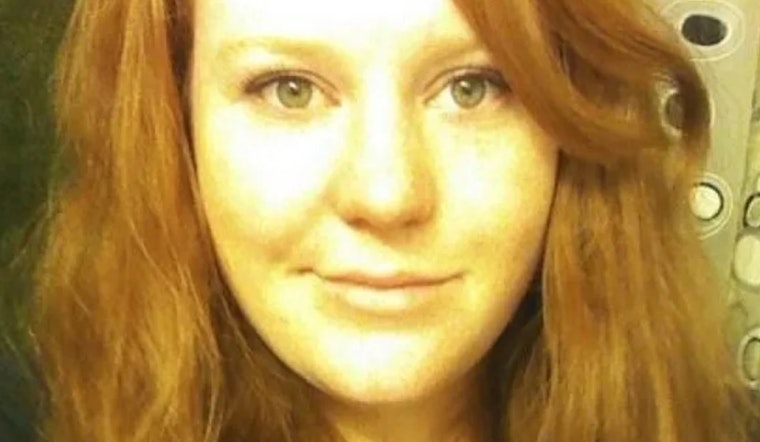
Whitney Bennefield was thrown roughly 80 feet after the motorcycle she was riding collided with a car in Aurora on August 22, 2016. The driver of the motorcycle was killed at the scene, leaving Bennefield as the sole survivor of a crash that left her with a severe traumatic brain injury.
Nearly a decade later, Bennefield reunited with the doctors and nurses who saved her life, according to CBS News Colorado. The Aurora woman's survival was considered remarkable given the fatal outcome for the motorcycle's driver, per the GoFundMe campaign that documented her recovery in the aftermath of the crash.
From Trauma Care to Relearning How to Walk
After emergency trauma treatment, Bennefield underwent intensive brain injury rehabilitation at Englewood's Craig Hospital, where staff adjusted her tracheostomy tube to help her regain the ability to speak before she relearned to walk, run, and cycle, per the hospital's own account of her recovery. The rehabilitation process reflects the kind of long-term neuro-rehabilitation care Craig Hospital specializes in for patients with spinal cord and brain injuries.
Bennefield's recovery didn't stop at relearning basic movement. She went on to become a competitive adaptive duathlete and triathlete, qualifying for the 2023 USAT Multisport National Championships and the Team USA World Championships, according to USA Triathlon. Her achievements inspired her father to found the PARA Endurance Foundation, which funds participation and gear for physically challenged athletes.
A State Still Grappling With Motorcycle Deaths
Bennefield's crash and long recovery arrive against a backdrop of worsening motorcycle safety statistics across Colorado. The state recorded a record-high 165 motorcycle fatalities in 2024, a 57% increase since 2015, with motorcycle crashes accounting for 24% of all traffic deaths despite motorcycles making up just 3% of registered vehicles, according to the Colorado Department of Transportation.
The trend has continued into this year. Between January and March 2026, 15 motorcyclists died on Colorado roads, marking the state's deadliest start to a calendar year for motorcycle fatalities since 2017, the same agency reported during Motorcycle Safety Awareness Month.
Helmet Laws Remain Optional for Adult Riders
Colorado transportation officials' multi-year tracking from 2020 through 2024 found that nearly half, 49%, of all motorcyclists killed in state traffic crashes were not wearing a helmet. Federal safety data cited alongside that tracking estimates helmets are 37% effective in preventing fatal injuries.
Under Colorado Revised Statute C.R.S. 42-4-1502, helmets are legally required only for riders and passengers under 18 years of age, making Colorado one of just three states nationwide without a universal adult helmet law. Colorado's own transportation data also shows that 58% of all motorcycle deaths in the state occur during the peak summer months between June and September, when warmer weather drives a surge in motorcycle trips statewide.
Aurora has its own history with dangerous motorcycle corridors. Stretches of East Mississippi Avenue have been designated in municipal police reports as high-crash zones where severe and fatal motorcycle collisions occur, as Hoodline reported after a fatal crash at Mississippi and Moline earlier this year.
Ten years after the crash that killed the motorcycle's driver and nearly took her own life, Bennefield's reunion with her medical team stands as a marker of how far her recovery has come, even as the state continues to record rising numbers of riders who don't survive similar collisions.





