

























































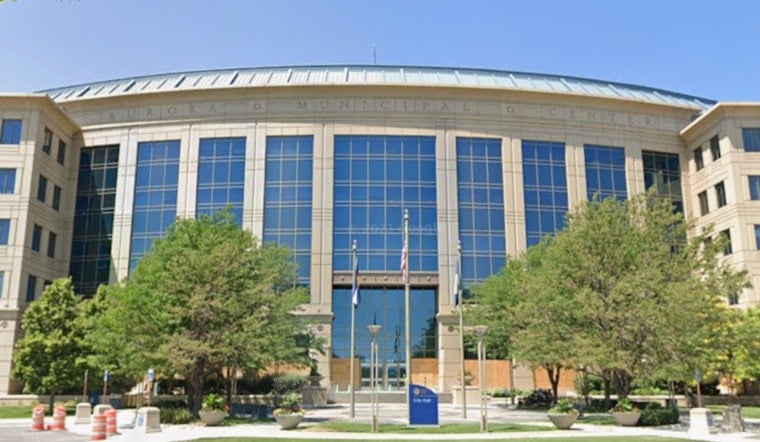
Aurora lawmakers are considering new rules that would limit how many food trucks can cluster on a single property and dictate when and how they can operate across the city. The proposal, sponsored by Angela Lawson, targets illegal wastewater dumping, overcrowding, and food safety concerns that city staff says have piled up around popular vending spots, including a shopping plaza near Hampden Avenue and Chambers Road where food truck congestion has made access difficult for other businesses.
According to the Denver Gazette, Lawson and Aurora city staff have identified illegal dumping, overcrowding and food safety as the core problems driving the push. Trevor Vaughn, speaking to licensing concerns, reported that many food trucks stay parked in one place for long stretches and are not properly returning to commissaries to dump wastewater at night. City staff has recommended limiting how long trucks can stay in one spot before they must leave to dump wastewater, requiring trucks to be attended at all times while operating, and capping the number of trucks allowed in a given area.
Current Rules Already Limit Density and Hours
Under the city's existing code, lots smaller than 15,000 square feet can host just one food truck, while larger properties can host up to five trucks under a formula tied to square footage. Aurora's Mobile Food Vendor Toolkit already sets an operating window of 7 a.m. to 10 p.m. and requires trucks to physically report to a commercial commissary kitchen every operating day for servicing, restocking, and wastewater disposal, per the toolkit maintained by the city. The proposed changes now under discussion would go further, requiring trucks to relocate to a designated storage location when not in use and to depart an area at specified intervals to encourage proper waste disposal — though the article notes that city code currently does not clarify how food trucks should even be defined or where they can be stored when not operating.
Aurora council members ultimately decided to delay specific code changes pending more information from city staff, according to the same report. The council is still working through basic definitional questions, including what counts as a permissible storage location and how strict any new departure intervals should be. City staff is expected to bring more detail to the next study session, where councilmembers will also weigh other food truck density options and specific departure timelines.
A Council Member Pushes Back on Behalf of Her Ward
Councilmember Amy Wiles voiced clear reservations about the proposed changes, warning they could burden mostly minority-owned small businesses trying to support their families. Wiles represents Ward II, an eastern Aurora district she has described as largely a food desert lacking brick-and-mortar grocery options, a political backdrop detailed by Colorado Politics. Wiles was elected to the seat in November 2025 during a cycle that shifted Aurora's 10-member council toward a progressive majority.
Councilmembers also discussed the idea of an earlier start time for food trucks serving construction sites and food deserts, though they did not establish any specific alternative start-time rules during the session. Erik Gates, speaking for the planning department, said food trucks create placemaking and community gathering areas, while also stressing that vendors need to operate legally and respect the communities around them. Food trucks bring tax revenue to the city and help small businesses get their start, factors council members are weighing against the complaints about dumping and congestion.
How Aurora's Rules Compare to Denver's
Aurora's debate is unfolding as Colorado's food truck landscape shifts at the state level. House Bill 25-1295, signed by Gov. Jared Polis and in effect since January 1, 2026, created a statewide reciprocal licensing system letting food trucks licensed in one Colorado jurisdiction operate in others — including moving between Aurora and Denver — after giving 14 days' advance notice, according to the Colorado General Assembly. That reciprocity applies to licensing, but local governments still control parking, zoning, and stay-duration rules on their own turf.
Denver's own code is notably strict by comparison, barring food trucks from operating within 200 feet of brick-and-mortar restaurants and capping how long a truck can stay in one location to four hours, per a regional comparison from VendorLoop. Commissary rental costs across the Denver metro area typically run between $200 and $800 a month, a fixed overhead vendors must absorb regardless of which city they serve, according to StartBusinessByState.com. Prepared food sold from trucks is also subject to Colorado's 2.9% state sales tax on top of local levies, with combined rates reaching as high as 8.81% in parts of the Denver metro area.
Safety and Health Oversight Already in Place
Food trucks operating in Aurora are already subject to layers of safety and sanitation oversight separate from the parking and density debate. Aurora Fire Rescue has required new mobile food preparation vehicle operators to obtain an operational permit or exemption since November 2022, verifying propane safety, ventilation, and fire suppression systems under Fire Marshal Association of Colorado standards, with inspections renewed on a 12-month cycle. The department completed 219 mobile food truck inspections over a recent 12-month stretch, part of more than 8,000 total fire prevention inspections it conducted citywide, according to a Facebook post from the department.
Health inspections, meanwhile, fall to county agencies rather than the city since the regional Tri-County Health Department dissolved at the end of 2022; Arapahoe County Public Health now handles the bulk of that oversight for Aurora, which also spans Adams and Douglas counties. Statewide, the Colorado State Board of Health adopted updated Retail Food Establishment Rules in January 2024, aligning mobile food sanitation and waste handling standards with federal FDA guidelines across every local health department in the state.
For now, Aurora's council has left the specific numbers unsettled. No new departure intervals, storage-location definitions, or density caps have been finalized, and city staff is expected to return with more detail before council takes further action at its next study session.





