

























































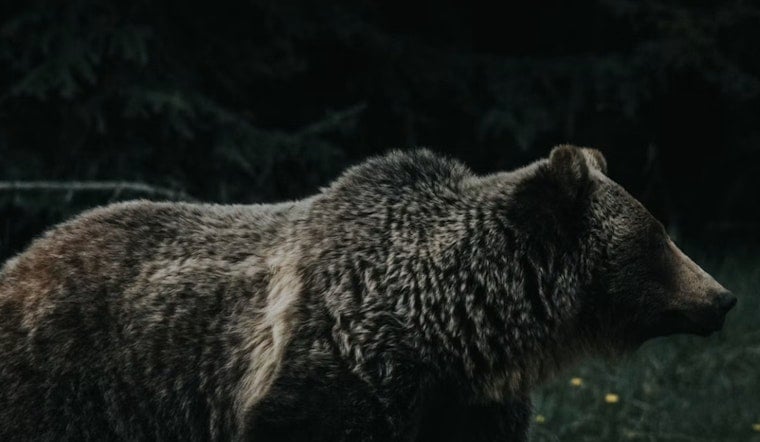
A bear wandering near Eddy Hall sent Colorado State University's Fort Collins campus into a brief state of alert Tuesday morning, right as roughly 3,200 incoming students were hauling suitcases and lamps into their dorms for fall move-in. CSU Public Safety issued its first advisory at 8:40 a.m., updated it at 9 a.m., and did not give the all-clear until 10:40 a.m., after campus police and wildlife officers managed to safely secure and remove the animal.
The timing could hardly have been more chaotic. As CBS News Colorado reported, the bear added an unexpected jolt of excitement to a day already packed with nervous freshmen and overloaded moving carts. Eddy Hall sits near the north end of campus close to the historic Oval, according to Colorado State University Public Safety, and officers had actually received initial reports of a bear roaming the main campus a day earlier, on August 17, but were unable to track it down until it resurfaced near the building the following morning.
During the roughly two-hour window before the all-clear, police advised students and staff not to approach or follow any bear they encountered on campus, per the university's safety office. It's a warning Fort Collins has heard before: in September 2022, a 200-pound young female black bear climbed a tree on the north end of the Oval, prompting wildlife officers to tranquilize and relocate her to the backcountry, the same office noted, underscoring that bear intrusions into CSU's central green spaces aren't exactly new.
A Record Year for Bear Conflicts Statewide
This year's episode lands amid what state wildlife officials are calling an unprecedented surge in human-bear encounters. Colorado Parks and Wildlife logged 6,129 bear sightings and conflict reports statewide between January 1 and August 13, according to 9News, nearly double the 3,115 reports recorded over the same stretch in 2025. State officials say 2026 is on pace to set a record since digital tracking of conflicts began in 2019.
That spike builds on an already rising trend. In 2025, the agency registered 5,299 total bear sightings and conflict reports statewide, a 5.5% jump from 2024, with unsecured residential trash identified as the top attractant. CSU's safety office attributed this year's surge largely to persistent drought conditions that have wiped out natural food sources like berries, pushing bears into towns in search of calories. Black bears enter hyperphagia in late summer, consuming up to 20,000 calories a day as they fatten up for hibernation, the university noted.
The High Stakes for a Relocated Bear
What happens to a bear after a campus encounter carries real consequences. Under Colorado Parks and Wildlife's Administrative Directive W-2, bears involved in human conflicts fall under a two-strike policy: a first incident typically results in tagging and relocation, while a second conflict leads to mandatory euthanasia, according to reporting by GearJunkie. The agency relocated 52 bears and euthanized 78 statewide in 2025 as conflicts escalated.
Lawmakers have taken notice of the human side of that equation. During the 2026 legislative session, Colorado passed a new law giving wildlife officers expanded authority to fine property owners who negligently leave edible trash accessible to bears, the outlet reported, after state data showed unsecured garbage was directly responsible for more than half of 2024's human-bear conflicts.
A Regional Pattern Across Larimer County
Fort Collins isn't alone in dealing with wandering bears this year. On July 25, a black bear entered a home in nearby Loveland, roughly 14 miles south along the Front Range foothills, before exiting on its own as police responded, according to North Forty News. The incident adds to a growing list of urban bear intrusions across Northern Colorado communities this year.
The Eddy Hall encounter also follows a separate case Hoodline reported this week, in which a 250-pound bear died after becoming trapped inside a car in Colorado Springs during record heat, a story that likewise drew on statewide CPW conflict statistics and the same two-strike relocation rules now shaping how wildlife officers handle habituated bears. Taken together, the incidents point to a summer in which drought, hunger and expanding urban footprints keep pushing Colorado's bears into places they've never had to go before.





