

























































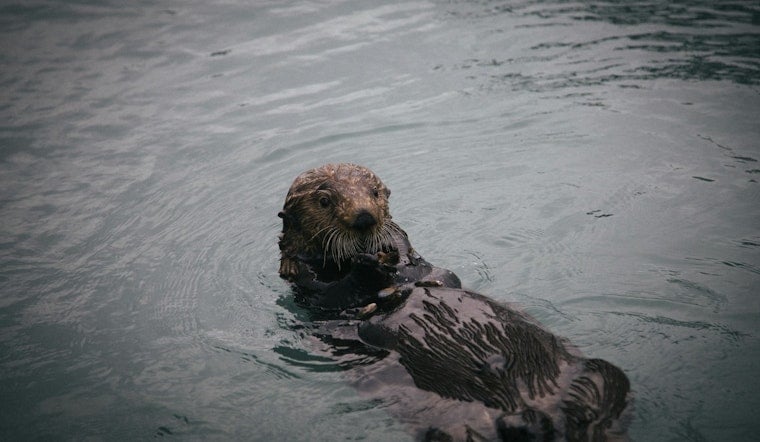
A North American river otter was documented along the Bronx River on June 23, 2026, marking the first time wildlife experts believe the species has been seen there in about a century. The sighting was captured by a motion-activated camera positioned along the waterway, and it comes just months after a beaver reappeared nearby for the first time since 2018.
According to CBS News, the camera was overseen by the Wildlife Conservation Society at the Bronx Zoo, and researcher RJ Hawkins was the one who positioned it along the river. Hawkins said the images were difficult to believe, adding that the observation may be the first documented river otter in the Bronx in generations. Craig Piper, director of the WCS Bronx Zoo, said cleaner water and healthier habitat work has paid off, framing the sighting as evidence that long-term wildlife monitoring and environmental restoration efforts matter, per Hawkins.
The detection was part of a structured, long-term camera trap monitoring initiative along the river, managed by the Wildlife Conservation Society's Education Department at the Bronx Zoo, according to a WCS Newsroom release. Hawkins deployed the cameras specifically to track urban wildlife movement along the waterway. Nine days before the otter was recorded, on August 10, 2026, the same cameras captured footage of a North American beaver near the Mitsubishi Riverwalk inside the Bronx Zoo — the first confirmed resident beaver on the river since 2018, according to the New York Almanack. That beaver trap was also monitored by Hawkins and the Bronx River Alliance.
A River Once Written Off as an Open Sewer
The 23-mile Bronx River is New York City's only freshwater river, running from the Kensico Reservoir in Westchester County to the East River, and it has long been regarded as one of the country's most neglected rivers. Throughout the 19th and 20th centuries it suffered extreme industrial and residential dumping, earning a reputation as an open sewer clogged with abandoned vehicles, tires and heavy sewage, per NYC Parks. River otters and beavers had both vanished from the waterway because of pollution, habitat degradation and unregulated trapping, and otters had once been found throughout New York's waterways before disappearing statewide.
Community-led restoration began in 1974 with the formation of Bronx River Restoration, which evolved into the nonprofit Bronx River Alliance in 2001. The Alliance, which operates out of the Bronx River House in Starlight Park, has led the removal of dozens of submerged cars, tens of thousands of tires and tons of trash from the river over the decades, according to its own history. That cleanup groundwork helped set the stage for the return of beavers to the river in 2007, when WCS biologists confirmed the presence of a beaver named José — the first confirmed beaver in New York City in more than 200 years, a milestone Hoodline detailed in its earlier Manhattan beaver coverage.
State Programs and a Fish Ladder Paved the Way
Wildlife officials said river otters are indicators of healthy freshwater ecosystems, and the New York State Department of Environmental Conservation notes that the semi-aquatic predators require high water quality, intact shorelines and dense fish populations to survive. Between 1995 and 2001, the state DEC and the New York River Otter Project translocated 279 wild otters from eastern New York to 16 sites across central and western New York, restoring populations that had been wiped out by trapping and pollution, according to the U.S. Fish and Wildlife Service. Downstate, otter recolonization had previously been documented mainly on Long Island starting in the 1990s, where biological surveys identified established breeding populations across watersheds including Oyster Bay and the Nissequogue River, per the Seatuck Environmental Association.
Closer to the Bronx, a 2015 fish ladder built over the East 182nd Street Dam by NYC Parks, WCS and state partners reopened 10 acres and more than seven miles of upstream habitat for migrating alewife herring, a key food source for otters, according to a report from the Northeast Interstate Water Pollution Control Commission. Fish and habitat access of that kind helps explain why an apex predator like an otter could plausibly find enough to eat along a river that was written off as dead just decades ago. WCS said healthy urban rivers can once again support historically native wildlife, and officials described the sighting as evidence that conservation and restoration are transforming the Bronx River.
One Sighting Doesn't Mean a Population — Yet
Researchers cautioned that a single observation does not indicate a resident otter population has taken hold. The otter sighting shows the Bronx River is capable of supporting wildlife that has been absent for generations, but wildlife experts stopped short of declaring the species has permanently returned.
That caution echoes ongoing concerns about the river's fragility even as its wildlife rebounds. Local lawmakers called on Con Edison in February to address 14 separate dielectric fluid oil releases into the Bronx River documented during 2025 by the Bronx River Alliance, Hoodline previously reported. Dielectric fluid is pressurized insulating oil used in underground power lines, and its repeated release into the waterway underscores that restored urban river habitats still face industrial pollution risks even as top predators like otters and beavers begin to reappear.




