

























































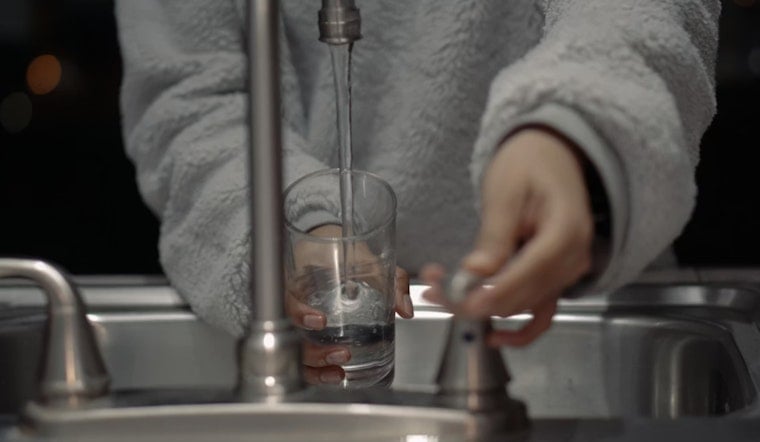
Carrizo Springs has lifted all water restrictions, city officials announced, closing out nearly a month of conservation limits that followed catastrophic flood damage to the small South Texas city's water system. Improved water-system production has allowed use to return to normal throughout the community, and residents can now go back to their everyday routines without rationing.
The crisis began on July 17, when Mayor Mario Ruiz issued an official Local State of Disaster declaration after flash flooding submerged critical electrical equipment, water production facilities, pumps, chlorinator systems, and backup generators, according to the City of Carrizo Springs. As reported by WOAI, city staff worked to help restore water services, and officials credited residents and community partners for making a big difference by conserving water, sharing information, providing resources, and supporting recovery crews.
The damage was severe enough that the Texas Commission on Environmental Quality required the city's public water system to issue a mandatory boil water notice on July 18, following a total loss of municipal water service caused by the submerged pumps and generators. The station's report notes that the notice stayed in place for ten days, and state environmental regulators and city officials rescinded it on July 28 once laboratory test results confirmed the drinking water met safety standards.
Neighboring City Stepped In With Emergency Water
With its own electrical panels and chlorination systems disabled, Carrizo Springs leaned on outside help to keep residents supplied. The neighboring city of Pearsall began providing emergency municipal water assistance starting July 20, according to a statement Pearsall posted on Facebook.
The outage in Carrizo Springs came amid a much larger disaster unfolding across South Texas. Texas Division of Emergency Management officials and Governor Greg Abbott warned on July 20 that downstream river surges along the Nueces River still posed lingering flood risks to communities including Carrizo Springs, Cotulla, and Tilden, even days after the storms themselves had passed upstream, per the Texas Tribune. Regionwide, the mid-July flooding damaged or destroyed nearly 600 homes and 100 businesses and triggered more than 530 water rescues, as reported by the San Antonio Express-News.
An Aging System Already Under Strain
Carrizo Springs' water network depends on four supply wells screened in the Carrizo-Wilcox Aquifer, feeding more than 60 miles of distribution piping, six storage tanks, and three booster stations, according to city planning documents. That infrastructure was already showing its age before the floods hit: a 2024 municipal water system feasibility audit found the city was losing an estimated 71.37 million gallons of water annually, about 18.7% of total production, largely due to aging asbestos-concrete distribution pipes, per Water Finance Exchange.
The city's relationship with groundwater runs even deeper than its current pipes. Carrizo Springs was named by Spanish explorers for local artesian springs that once flowed continuously, until heavy agricultural groundwater pumping lowered the water table in 1929, according to the Texas Water Development Board. That long dependence on underground aquifers has made flood damage to electrical pumps and wells especially disruptive for a community that has relied on mechanical extraction for nearly a century.
The stakes of a prolonged water crisis are especially high in Carrizo Springs, where U.S. Census Bureau data estimates a population of 4,723 residents, a median household income of $38,659, and a poverty rate of 28.1%. For a rural community with those economic pressures, weeks of conservation limits and the cost of alternative water sources can weigh heavily on household budgets.
Recovery Called a Milestone, But Not Finished
City officials described the lifting of restrictions as an important milestone in the recovery, while acknowledging the work is not entirely done. Carrizo Springs is still in the process of replacing equipment damaged during the flooding, and officials say the water-system recovery still requires additional work even though production is now sufficient to meet community needs.
The city also thanked its city council for its support throughout the recovery process, according to the announcement relayed by WOAI. It remains unclear whether the equipment now in place represents a permanent, flood-resilient rebuild or a temporary fix, and whether Carrizo Springs will pursue state or federal disaster funds to modernize its distribution system ahead of future severe weather.





