

























































A Cary family is demanding answers after 55-year-old Gabriel Lasanda Johnson suffered a stroke while in ICE custody, with his daughter alleging he went without consistent food, water and prescribed stroke medication. The case has left the Raleigh-area family fighting on two fronts: his medical recovery and his pending removal from the United States.
Gabri Johnson told WRAL that her father was taken into custody in Cary in mid-July after the family was told there had been a misunderstanding involving a missed immigration appointment. Johnson was born in Liberia, has lived in the United States since he was 15 and never became a U.S. citizen, according to the report.
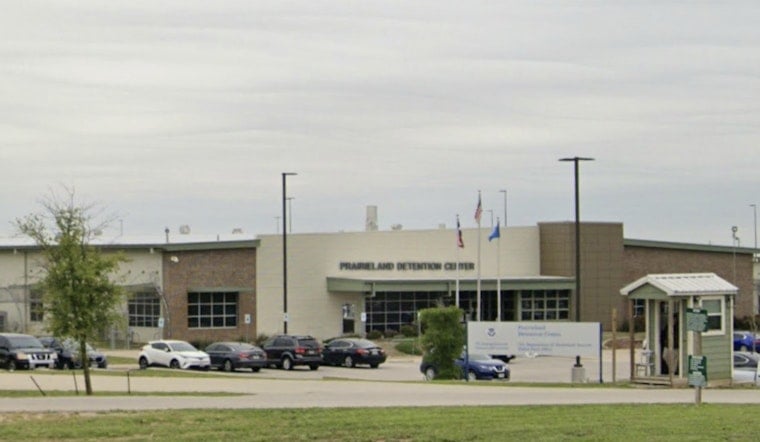
Earlier reporting by TheGrio places the arrest on July 15 and says Johnson was held first in North Carolina, then at Stewart Detention Center in Georgia before being transferred to Prairieland Detention Center in Texas. The family says he suffered a stroke on July 30, leaving the left side of his body paralyzed.
Family Alleges Missed Medication And Basic Care
Gabri Johnson said her father repeatedly asked for his stroke medication and described inconsistent access to food and water during his detention. WRAL reported that ICE had not immediately responded to questions about the allegations, including why Johnson was allegedly not given his medication or allowed to speak directly with relatives.
The public account of the case currently comes primarily from Johnson’s family and media interviews. No public ICE statement disputing or confirming the family’s allegations had been released in the reporting available Monday.
Emergency Removal Stay Was Denied
The family sought an emergency stay of removal to keep Johnson in the United States for several months while he stabilized and began rehabilitation, according to TheGrio. Gabri Johnson said the request was denied, leaving the family trying to secure hospital access and prevent her father from being returned to immigration custody.
ICE’s Form I-246 identifies medical documentation about a person’s condition, treatment and prognosis as relevant evidence in a stay request. The form also says decisions on such requests are discretionary, meaning a denied stay does not by itself resolve the underlying immigration case.
The Justice Department’s immigration court guidance explains that a stay prevents the Department of Homeland Security from carrying out a removal order, although stays may be automatic in some circumstances and discretionary in others. In Johnson’s case, the family’s account indicates that the requested temporary relief was not granted.
Case Echoes Earlier North Carolina ICE Complaints
The allegations also echo an earlier North Carolina account involving medical care in immigration detention. Hoodline previously reported on a Wendell woman who spent about a month in ICE custody and described inconsistent medical care after being transferred to Georgia.
For Johnson’s family, the immediate questions are whether he can remain near his medical providers, whether he will be released to rehabilitation care and how officials will account for the treatment he received before the stroke. Any response from ICE or newly filed court and medical records could add clarity to a case that has so far been driven by the family’s urgent public appeal.




