

























































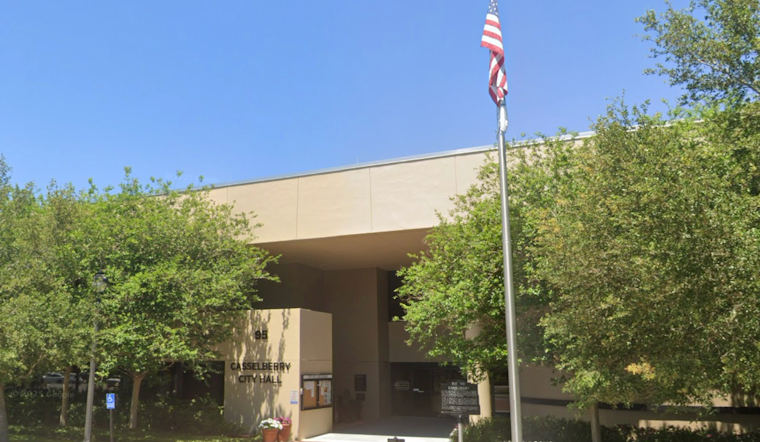
Casselberry city commissioners are set to vote Monday on whether to let residents keep backyard chickens for the first time, a decision that would launch a one-year pilot program built around limited permits rather than a permanent change to city law. The meeting is scheduled for 5:30 p.m. at Casselberry City Hall, and the outcome will determine whether hens can legally live in the city's backyards going forward.
The vote caps a monthslong push that began after code enforcement officers spotted resident Lindsay Feist's four backyard hens from an adjacent road and warned her she could face fines, according to WKMG. Feist said her 15-year-old son became emotional when code enforcement posted a 10-day removal notice on their front door, per the station's report. She responded by appealing directly to city leaders for clear rules around keeping hens rather than an outright ban.
Feist also launched a Change.org petition titled “Legalize backyard hens in Casselberry, Florida,” which gathered more than 750 signatures from area residents before commissioners' initial discussions got underway, according to Change.org. That petition asked the city to allow up to four hens per single-family detached household while banning roosters and other fowl. The grassroots effort helped push the issue onto the commission's agenda within weeks.
How the Pilot Program Would Work
On June 8, the Casselberry City Commission voted unanimously to direct staff to draft a backyard chicken pilot ordinance while freezing code enforcement action against residents already keeping hens, the petition update noted. The city manager pointed out that backyard hens had previously been banned entirely under municipal code, meaning Feist's flock — and others like it — existed in a legal gray area for weeks while the pause was in effect.
The draft framework outlined in late June would allow single-family homeowners up to six hens, prohibit roosters, cap coop sizes under 100 square feet, and require a free online permit along with an educational course, according to the same Change.org update. Ducks, geese, turkeys, and peafowl would remain strictly prohibited under the proposed terms. The pilot itself would bring one-year limited permits rather than permanent legalization, with the program designed to gather data before commissioners consider a lasting policy.
How Nearby Cities Handle Hens
Casselberry's proposal echoes rules already in place elsewhere in Seminole County and Central Florida. Unincorporated Seminole County updated its code in 2024 to let residents in single-family residential zones keep up to four hens by right, eliminating a former $75 permit requirement, per Seminole County records. Incorporated cities and homeowners' associations retain the authority to set stricter limits of their own, which is why Casselberry residents remained under a total ban even as their unincorporated neighbors gained hens by right.
Neighboring Longwood allows up to four hens on detached single-family lots under its city code, but caps active permits at 50 citywide and requires a $50 fee plus a 6-foot opaque fence, according to the City of Longwood. Longwood also requires applicants to complete a University of Florida agricultural class before approval. Orlando, meanwhile, permits up to four hens under its own code, banning roosters, requiring 20-foot setbacks from neighboring homes, and mandating wind tie-downs for coops while prohibiting chicken wire, as detailed by FlockGuide.
That educational requirement traces back to the University of Florida Institute of Food and Agricultural Sciences Extension, which offers regular $5 training courses for Central Florida residents covering chicken nutrition, coop construction, biosecurity, and predator protection, according to UF/IFAS Extension Seminole County. Completion certificates from those courses are typically required before permit approval in cities that adopt similar ordinances.
Part of a Wider Regional Shift
Casselberry's looming vote fits into a broader Central Florida trend toward loosening restrictions on backyard food production. Sanford voted in October 2025 to permit up to six hens while eliminating its annual fee in favor of a single upfront charge, according to WFTV. Volusia County moved this month to allow backyard chickens by right as well, adding another jurisdiction to the growing list of Central Florida governments rethinking poultry bans.
Whether Casselberry lands on a four-hen or six-hen limit remains an open question heading into Monday's meeting, as does how the city plans to handle enforcement in neighborhoods governed by homeowners' associations, since private deed restrictions can still prohibit backyard poultry even if the pilot program passes. Regular commission meetings are held at 95 Triplet Lake Drive and are live-streamed online for residents who cannot attend in person.



