

























































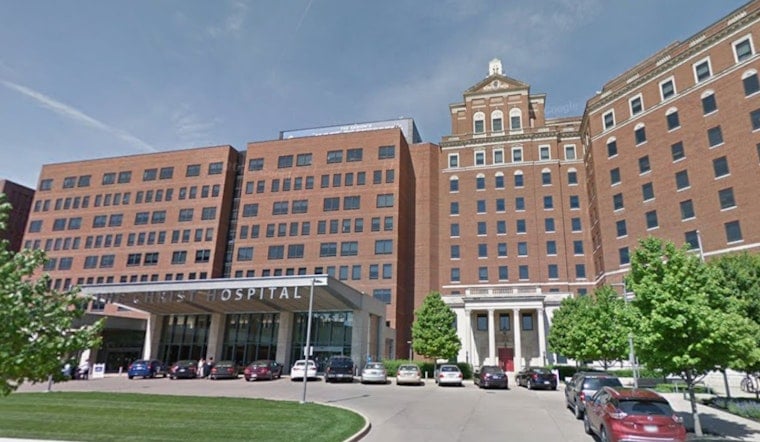
Surgeons at The Christ Hospital Heart & Vascular Institute in Cincinnati have completed Ohio's first implantation of a newly FDA-approved heart valve built specifically for the tricuspid position, a part of the heart that has long lacked a purpose-designed replacement option. The procedure used the Triformis valve from Edwards Lifesciences, and it was led by Dr. Geoffrey Answini, chief of cardiothoracic surgery at the institute.
The tricuspid valve controls blood flow into the heart's upper right chamber, and when it fails, blood flows backward, eventually leading to heart failure if left unaddressed, according to the Annals of Cardiothoracic Surgery. As reported by WKRC, the Triformis valve is designed specifically for patients who need tricuspid valve replacement and is currently the only FDA-approved tricuspid valve available. Answini said the device will have a huge impact for patients by giving them the best technology available, per the station's report.
A Device Shaped for a Valve Doctors Long Overlooked
The Triformis valve features a D-shaped ring that mimics the shape the tricuspid valve takes as disease progresses, and that ring design helps reduce the need for pacemaker placement, the same account notes. Edwards Lifesciences received FDA approval for the valve in May 2026, marking the first time federal regulators authorized a surgical heart valve engineered specifically for the tricuspid position, according to MedTech Dive.
The valve uses Resilia tissue technology, which is intended to reduce calcification and help it last longer than previous biologic valves, per WKRC's report. FDA regulatory documentation indicates the Resilia tissue's glycerol preservation and anti-calcification capping process yielded 72% lower calcium accumulation than conventional bovine pericardial valves in pre-clinical studies. Calcification has historically been a primary cause of biological heart valve degradation over time.
Why the Tricuspid Valve Was Called Forgotten
For decades, the tricuspid valve was dubbed the “forgotten valve” among cardiologists, largely because of high historic surgical mortality estimates and a lack of custom-built devices, per the Society of Thoracic Surgeons database analysis. Historical mortality estimates for tricuspid operations exceeded 10%, causing many surgeries to be avoided or delayed. A 2024 study published in the Annals of Thoracic Surgery found the predicted operative mortality risk for isolated tricuspid valve replacement is actually 5.7%, challenging those long-standing assumptions.
Isolated tricuspid valve operations nationwide more than doubled from 983 cases in 2012 to 2,155 cases in 2019, according to the Society of Thoracic Surgeons Adult Cardiac Surgery Database, reflecting a broader shift toward earlier surgical intervention. Even so, an estimated 1.6 million people in the United States live with severe tricuspid regurgitation, yet only a few thousand undergo surgical correction each year, largely due to underdiagnosis and delayed referrals, per the Annals of Cardiothoracic Surgery. A 2025 national screening effort known as the PREVUE-VALVE trial found that 3.7% of U.S. adults aged 65 to 85 have moderate or severe tricuspid regurgitation, making it the most common form of valvular heart disease among older Americans, according to Cardiovascular News.
Research Behind the Cincinnati Procedure
WKRC reports that research conducted at the Carl and Edyth Lindner Center for Research helped make the Cincinnati procedure possible, part of what the outlet describes as broader investment by The Christ Hospital Health Network in cardiovascular research and advanced surgical techniques. That investment fits a pattern at the Mt. Auburn campus: Answini and the Heart & Vascular Institute performed Ohio's first physician-modified aortic arch aneurysm repair in April 2026, a state-first procedure that came just months before this tricuspid milestone.
Answini brings more than 25 years of cardiothoracic surgery experience in Cincinnati and holds board certification in thoracic cardiovascular surgery, according to Healthline FindCare. He also led a previous artificial heart implant at the hospital alongside Dr. Robert Dowling, underscoring the institute's recurring role in first-of-their-kind cardiac procedures in the region.
A Hospital Network Built for Complex Cardiac Care
The Christ Hospital Health Network was established 137 years ago and now operates its primary acute care hospital in Mt. Auburn, a second hospital location in Liberty Township, five outpatient centers, and a staff of more than 1,300 physicians and 7,800 employees, according to the hospital's own account. In August 2026, U.S. News & World Report ranked the network the #1 hospital in the Cincinnati metropolitan area for the 11th consecutive year and #3 overall in Ohio, citing strong performance in aortic valve and heart bypass procedures, as reported by LINK nky.
It remains unclear how quickly other Ohio hospitals will adopt the Triformis valve, how insurance coverage for the newly approved device will develop, or how surgical replacement will compare against emerging catheter-based tricuspid repair options as those technologies mature. For now, the Mt. Auburn campus stands as the only site in the state to have completed the procedure, adding another entry to a growing list of cardiac firsts at the institute.





