
























































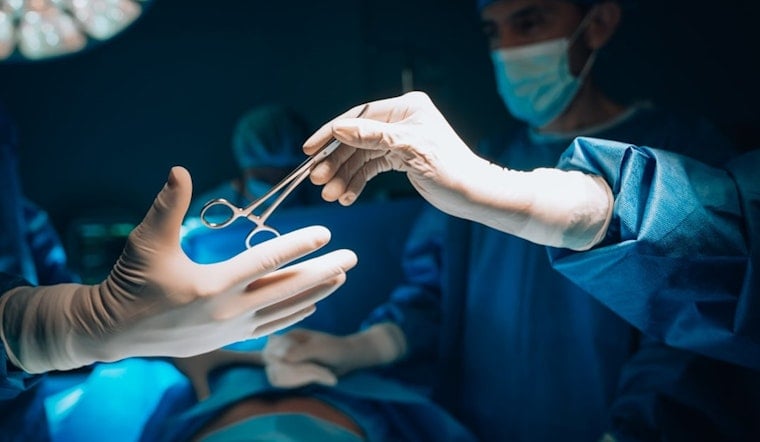
An 8-year-old boy from Clarksville, Indiana is down to just 18% kidney function, and the man stepping up to save him is someone he already calls family. Niko Bowens has stage 4 chronic kidney disease, and his uncle, Damon Ellis, has been confirmed as a living donor match for the transplant Niko needs.
A Diagnosis That Started in Infancy
Niko's kidney trouble did not begin recently. According to WDRB, the Southern Indiana boy was diagnosed with kidney disease at just 5 months old after early bladder damage affected his kidney function. That kind of early-onset case fits a broader medical pattern: congenital anomalies of the kidney and urinary tract, structural birth defects that affect kidney development or urine drainage, are the leading cause of chronic kidney disease in children, accounting for an estimated 35% to 80% of pediatric cases, according to research published by BINASSS. Stage 4 chronic kidney disease, the classification Niko now carries, is defined by a glomerular filtration rate between 15 and 29 mL/min per 1.73 square meters, marking severe kidney damage that is the final stage before complete kidney failure, per Solace. Patients at that stage are typically told to actively prepare for either dialysis or a transplant.
Why a Family Match Matters
Finding a living donor at all puts Niko in rare company among young transplant patients. Living donor kidney transplants accounted for only 231 of the 832 total pediatric kidney transplants performed nationwide in 2024, or roughly 27.8%, with deceased donors making up the rest, according to the OPTN/SRTR 2024 Annual Data Report cited on PubMed. That same year, the number of pediatric kidney candidates cited peaked at 1,232. Nationally, more than 85% of everyone on the U.S. organ transplant waiting list is waiting specifically for a kidney, per the National Kidney Foundation. The broader transplant landscape also includes families seeking deceased-donor organs.
A living donor kidney also tends to last longer inside its recipient. Kidneys from living donors typically function for 15 to 20 years, compared with an average of 8 to 12 years for organs from deceased donors, according to the National Kidney Foundation. That longer window matters enormously for an 8-year-old, who would otherwise face the prospect of a second transplant decades sooner. A living donation also means that both donor and recipient undergo surgery.
How an Adult Kidney Fits Inside a Child
One question families in this situation often face is how an adult organ can work inside a small child's body. Medical guidelines confirm that children over age 2 can safely receive an adult kidney because the pediatric abdominal cavity typically has enough room to accommodate the larger organ, according to Stanford Medicine Children's Health. The adult kidney is generally placed in the child's lower right side or middle abdomen and connected directly to major blood vessels and the bladder.
Timing matters too. The family is counting down to surgery in October. Finding a donor like Ellis carries real clinical weight.
Organ Donation Landscape in Indiana
Ellis's decision to donate also lands amid a statewide and national push around living organ donation. In 2025, the Indiana Donor Network facilitated 1,379 organ transplants across the state from 467 organ donors, saving 1,214 lives statewide, and more than 4.5 million Indiana residents are currently registered organ donors, according to the organization's own figures. Federal advocacy efforts, including the Honor Our Living Donors Act and the Living Donor Protection Act, aim to eliminate financial obstacles and prevent insurance discrimination against people like Ellis who choose to donate, per the National Kidney Foundation. Ellis has been medically examined and will undergo kidney removal.
Clarksville sits in Clark County along the Ohio River, directly across from Louisville, Kentucky, and is considered part of the broader Louisville metropolitan area, according to U.S. Census Bureau data. That puts the family within reach of major regional medical centers, though the exact hospital and date for Niko and Ellis's surgery have not yet been publicly detailed. For now, what is confirmed is the match itself: an uncle willing to give a piece of himself so his nephew can keep growing up.





