

























































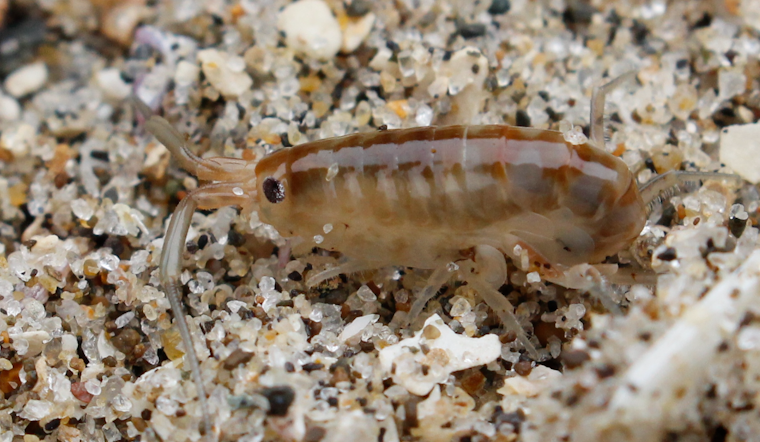
Beachgoers along Florida's Space Coast reported spotting clear, translucent creatures roughly one inch long jumping across the sand this week, sparking curiosity about what exactly was hopping around their feet. The sighting, described by some as looking like tiny jumping sticks, prompted a closer look from local reporters and marine observers trying to pin down the mystery critter's identity.
The discovery was first detailed by FOX 35 Orlando, which reported that beachgoers spotted the one-inch translucent creatures jumping along the shore, an unusual sighting that prompted beachgoers and marine experts to take a second look at what was turning up in the sand. While the station's report doesn't offer a definitive species identification, the described size, coloring, and jumping behavior point strongly toward a familiar, if often misunderstood, beach dweller.
Meet the Beach Hopper, Not a Biting Pest
The leading candidate is the beach hopper, also called the sand hopper, a small amphipod crustacean in the family Talitridae. According to Terminix, these creatures are frequently called sand fleas colloquially, even though they are translucent-to-gray crustaceans that reach up to an inch in length and leap using flattened bodies and specialized rear appendages rather than biting mouthparts.
That naming confusion matters, because it can cause unnecessary alarm among sunbathers. Terminix notes that locals often use the term sand flea to describe harmless beach hoppers, mole crabs, or biting midges interchangeably, blurring the line between pests that bite and those that don't. As A-Z Animals explains, Atlantic beach hoppers do not bite humans or animals at all, instead feeding exclusively on decaying seaweed, algae, and other organic wrack that washes up along the tide line.
Why They Suddenly Appear in Swarms
Beach hoppers spend most of the daylight hours buried up to a foot deep in cool, damp sand to avoid shorebirds and raccoons, according to Arrow Pest Service. They emerge in large numbers along the high-tide mark during high tides or cooler hours, which is likely why beachgoers suddenly noticed dozens of them hopping across the open sand rather than staying hidden.
Florida's Space Coast typically sees a seasonal spike in translucent and bioluminescent marine organisms between June and October, driven by warm water temperatures and nutrient-rich estuarine runoff, per Visit Space Coast. Brevard County's more than 70 miles of Atlantic coastline include stretches like Playalinda Beach in Canaveral National Seashore, where natural shorelines go unraked and preserve the wrack-line ecosystems that beach hoppers depend on for food, according to Visit Florida.
Not the Only Mystery Washing Ashore Lately
This isn't the first odd shoreline find to hit Brevard County this summer. In late July, beachgoers at Cherie Down Park in Cape Canaveral encountered rubbery, translucent-to-orange masses that turned out to be sea pork, a filter-feeding tunicate colony that had detached from seafloor structures during rough surf, as Hoodline reported on that find. Comb jellies, another translucent organism common in Space Coast waters, can grow one to five inches long and float through coastal lagoons using hair-like cilia that refract light into rainbow patterns, according to Florida Bioluminescence Tours.
Strong summer ocean swells, passing weather fronts, and lunar tidal shifts periodically wash benthic and near-shore marine invertebrates onto Florida beaches in large numbers, according to a report from the Naples Daily News. That kind of natural wave action, combined with Brevard County's unique coastal geography, helps explain why the Space Coast keeps producing these mystery shoreline sightings season after season.
What Beachgoers Should Actually Watch For
If a real biting culprit is lurking near Florida shorelines, it's not the jumping hoppers. Biting midges, also known as no-see-ums, measure only one to three millimeters and leave painful red bites near dawn or dusk, and they're frequently misidentified as sand fleas by beachgoers, according to Waynes Pest Control. Anyone hoping to avoid actual bites should watch for those tiny flies rather than the harmless, translucent hoppers bouncing along the wrack line.





.JPG)