

























































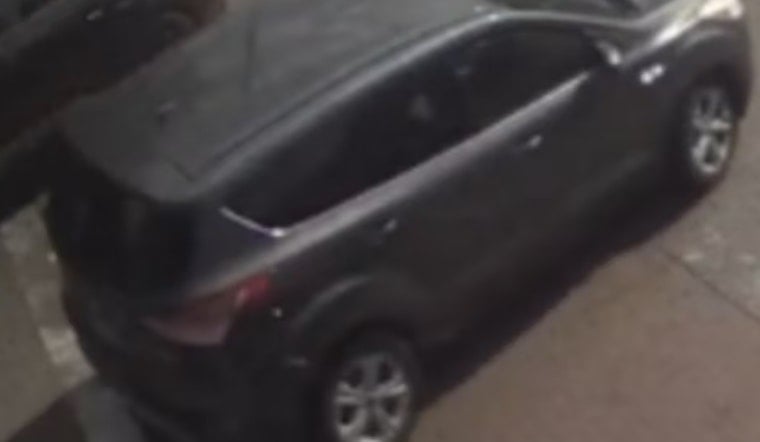
A gray Ford Escape turning south onto East 116th Street struck a man using a motorized wheelchair in a crosswalk near Buckeye Road on the city's East Side, and police say the female driver stayed at the scene to help him before driving away without providing her name or any identifying information. The crash happened at 5:15 p.m. on July 2, according to police, and investigators are now asking the public for help tracking down the driver responsible.
The Cleveland Division of Police Accident Investigation Unit says the Ford Escape was traveling westbound on Buckeye Road when it turned left to head south on East 116th Street, striking both the wheelchair and the man riding in it, according to Cleveland 19 News. Police say the driver remained at the scene for an extended period to assist the victim, but left before giving her information, which investigators are treating as a hit-and-run despite her initial effort to help.
Why Stopping to Help Isn't Enough Under Ohio Law
That distinction matters legally. Under Ohio Revised Code Section 4549.02, a driver involved in a crash that causes injury or property damage must remain at the scene and directly hand over their full name, address, and vehicle registration number to the injured party or responding officers, according to the Ohio Revised Code. Rendering aid without exchanging that information still amounts to a criminal failure to stop, regardless of any good-faith assistance offered at the scene, per the statute.
Leaving the scene of a crash on a public road is generally charged as a first-degree misdemeanor in Ohio, carrying up to 180 days in jail, a fine of as much as $1,000, and a mandatory driver's license suspension of at least six months, according to Riddell Law LLC. Those penalties would apply if the driver of the Ford Escape is identified and charged.
The victim's status as a wheelchair user also carries specific legal weight. Ohio law classifies anyone operating a motorized or non-motorized wheelchair on public roads as a pedestrian, which means he held full statutory right-of-way protections while crossing East 116th Street in the marked crosswalk near Buckeye Road, per the Ohio Revised Code.
Investigators Ask Public for Tips on Gray Ford Escape
The Accident Investigation Unit is asking anyone with information about the crash or the driver's identity to call its tip line at 216-623-5295. The unit is the Cleveland police division responsible for reconstructing serious vehicle crashes, processing hit-and-run scenes, gathering surveillance footage, and building cases for prosecution, per Cleveland 19 News.
The crash occurred near a stretch of East 116th Street where the City of Cleveland had announced an Enbridge Gas Ohio pipeline replacement project in June, running along the east side of the street between Buckeye Road and Shaker Boulevard, according to the City of Cleveland. It's unclear whether that infrastructure work had any bearing on traffic or crosswalk conditions at the intersection at the time of the crash.
A Pattern of East Side Hit-and-Runs
This is not an isolated case for Cleveland's East Side. In February, police arrested a 21-year-old driver in connection with a hit-and-run in a marked crosswalk on Eddy Road that killed a 37-year-old woman and seriously injured a 42-year-old woman, a case Hoodline covered in Cleveland crosswalk tragedy coverage. In May, a 22-year-old driver was arraigned on aggravated vehicular homicide and failure-to-stop charges after an April hit-and-run killed a 74-year-old pedestrian elsewhere on the East Side.
The broader numbers point to a worsening problem. City of Cleveland Vision Zero tracking recorded 28 traffic fatalities as of August 2, up from 23 during the same period in 2025, even as the city's Vision Zero initiative, adopted in 2022, aims to eliminate traffic deaths and serious injuries by 2032. An annual crash report from advocacy group Bike Cleveland found that at least 603 pedestrians and bicyclists, including wheelchair and scooter users, were struck by vehicles across the city in 2024, up from 550 the year before.
Bike Cleveland's analysis also flagged a structural blind spot in how these crashes get counted. Official police crash reports frequently omit hit-and-run collisions because victims or drivers leave before officers arrive, or because filings face 45- to 60-day delays, prompting advocates to cross-check 911 dispatch logs to catch incidents that would otherwise go unrecorded, according to Signal Cleveland.





