

























































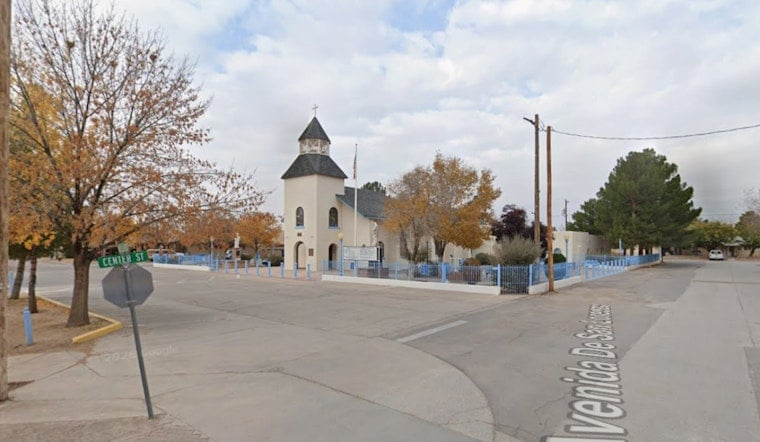
Thousands of visitors are converging on the small Mission Valley town of Clint this weekend for the Fiesta de San Lorenzo, a celebration of faith and community that has drawn crowds for more than a century. The three-day event honors Saint Lawrence, the patron of the parish that anchors this stretch of eastern El Paso County, with prayer, music, food, and dance filling the grounds around San Lorenzo Catholic Church.
As reported by El Paso Times, the fiesta is a celebration more than a century old that includes prayer and tradition central to Clint's identity. The event traces back to 1913, when community members first gathered to hold a fundraiser festival that successfully raised the capital needed to construct San Lorenzo Catholic Church, according to local historical records published on the Clint, Texas municipal portal. The parish that resulted from that effort was formally established in 1914, meaning the community's celebration actually predates the church building itself.
A Dawn Pilgrimage Closes Rural Roads
The spiritual culmination of the weekend arrives early Monday morning, when pilgrims walk a dawn procession toward San Lorenzo Catholic Church. A San Elizario Fire Rescue safety notice reported by KVIA ABC-7 announced rolling road closures along FM-1110, North Loop, and Alameda between 3 a.m. and 6 a.m. on Monday to accommodate the walking procession. The closures reflect the intense physical devotion of pilgrims making the trek along rural roads before sunrise.
The parish itself is located at 13021 Center Way in Clint, under the pastoral leadership of Rev. Martín Alonso Bustos González, M.N.M., according to the Catholic Diocese of El Paso's parish directory listings. The church, situated in El Paso County's lower Mission Valley along State Highway 20, roughly 20 miles southeast of downtown El Paso, serves as a primary social and religious hub for the surrounding area, according to profiles from the Texas State Historical Association.
Tens of Thousands Expected Over Three Days
The scale of the gathering is striking for a town Clint's size. Tourism event records from Visit El Paso and local public safety statements indicate the three-day fiesta traditionally attracts upwards of 10,000 visitors per day, making it one of the largest annual religious and cultural gatherings in rural El Paso County. Reporting by the Texas Observer and social media updates from the El Paso County Sheriff's Office describe the event as a traditional Catholic kermés, complete with home-cooked border cuisine like gorditas, lotería games, carnival rides and live regional music, with proceeds from food and game booths going toward church maintenance and charitable programs.
Matachines dance troupes provide much of the fiesta's visual and spiritual core. Cultural preservation archives from the El Paso Museum of History document that local groups, including Danza Matachín Pavo Real, have performed in Clint since at least 1975, blending Indigenous drum rhythms with Spanish Catholic ritual dance. The tradition has also drawn international visitors: in August 2017, a delegation of 17 Indigenous youth dancers from the KLAraq and Piniq Yup'ik dance groups traveled from Bethel, Alaska, to perform at the fiesta alongside local borderland performers, according to Delta Discovery.
A Feast Day Observed on Both Sides of the Border
The date itself carries deep religious weight. Saint Lawrence was a 3rd-century Spanish deacon in Rome who was martyred on August 10, 258 AD, during Christian persecutions under Roman Emperor Valerian, according to religious history recorded by the Clint municipal portal, establishing the date for his liturgical feast day. He is venerated as a patron saint of the poor.
That devotion extends well beyond Clint. As reported by the El Paso Times, the Feast Day of San Lorenzo is a major binational tradition across the U.S.-Mexico border, celebrated simultaneously with large-scale fiestas and religious services at San Lorenzo Catholic Church in Clint and at the Santuario de San Lorenzo in Ciudad Juárez, Chihuahua. The shared observance underscores how devotion to Saint Lawrence cuts across international boundaries throughout the Paso del Norte region, tying Clint's small-town celebration to a much larger cross-border tradition of faith.




