

























































A 28-year veteran of the Colleton County Sheriff's Office was fired this week after an internal audit uncovered more than 2,700 unauthorized searches of the agency's Flock Safety license plate camera system, with the officer accused of tracking himself, fellow deputies, friends and former associates over roughly a year.
Lt. Ruben Carter had served with the department since 1998 and was assigned to the Edisto Beach area before his termination on Thursday, according to The Post and Courier. As reported by WCIV, the unauthorized searches involved 14 people over approximately one year, and the sheriff's office confirmed Carter searched himself, other deputies, friends and former associates through the system.
The misuse was identified after a lieutenant in the agency's Office of Professional Responsibility flagged the alleged activity on August 13, according to the station's report. Sheriff Guerry “Buddy” Hill Jr. had directed the Office of Professional Responsibility to audit the Flock system just two days earlier, on August 11, and by August 12 the sheriff's office had activated Flock's Audit Assistance tool, a newer feature that provided a far more comprehensive review of system activity than the department's prior manual audit process, which was limited to reviewing data in 30-day increments, per the same account.
How the Audit Uncovered the Pattern
Flock Safety first introduced Audit Assistance in April 2026 as part of a broader Trust and Compliance suite, using continuous monitoring algorithms to flag abnormal search patterns for department administrators, according to GlobeNewswire. Before opting into the tool, Colleton County's sheriff's office had relied on manual Flock audits, the article notes. Flock Safety has reported that more than a third of its customers had voluntarily adopted Audit Assistance as of mid-August, and the company has said it will make the tool mandatory for all agencies by the end of 2026.
Sheriff Hill has since asked the South Carolina Law Enforcement Division to investigate possible criminal conduct, and SLED has accepted that investigation. The sheriff's office said it will continue cooperating with SLED but has withheld details about the specific searches because the investigation remains active. Under South Carolina's Computer Crime Act, unauthorized access to a government database carries tiered penalties ranging from misdemeanors to felonies punishable by up to five years in prison and $50,000 in fines, depending on severity.
Policy Changes and a Broader National Pattern
In response to the case, Hill revised the agency's policy governing Flock camera access. Individual deputies will no longer have routine access to the system; only the communications division is authorized to conduct routine searches and enter required case information, while the sheriff or chief deputy may grant temporary access to a deputy for an active investigation, with that access ending once the investigation concludes and later audited by the Office of Professional Responsibility. The office will now conduct weekly audits of the Flock system going forward.
The sheriff's office said it recognizes that the public trusts law enforcement to use these systems properly, and it acknowledged that unauthorized searches could affect residents' civil rights and privacy. Officials characterized the conduct as misuse by an individual deputy rather than a failure of the agency as a whole, while also saying the incident could damage public trust.
Colleton County's case fits into a documented national pattern: a Washington Post investigation reported in August 2026 found that at least 50 law enforcement officers across the country have been accused of or charged with misusing Flock systems, primarily to track current or former romantic partners and personal acquaintances, according to Recorded Future News. That outlet also cited recent cases including a New Bedford, Massachusetts officer accused of using Flock cameras to stalk an ex-partner and a Conyers, Georgia 911 supervisor arrested for more than 30 unauthorized searches.
Company Rolls Out Safeguards as Critics Push Back
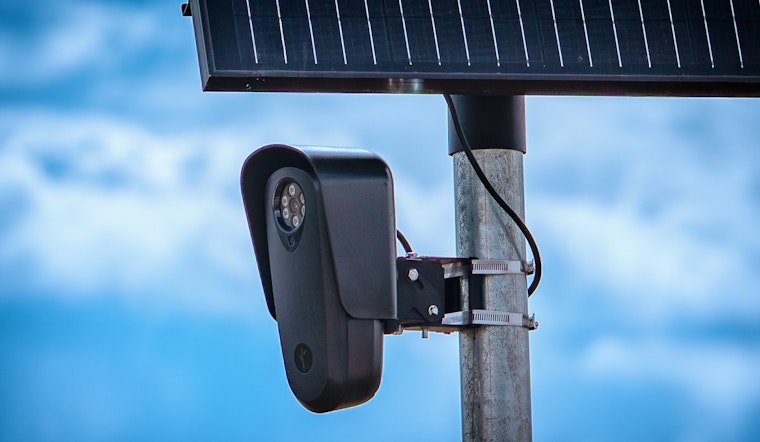
Flock Safety operates the largest automated license plate reader network in the country, with more than 120,000 cameras across 49 states capturing roughly 20 billion scans each month, according to The Guardian. On August 13, the company announced nationwide policy changes for all customer agencies, including shortening default data retention from 30 days to seven, mandating case codes before searches, and triggering automatic lockouts when abnormal activity is detected, per Police1.
The American Civil Liberties Union has criticized those changes, arguing on August 13 that Flock's audit tools offer a false sense of security because compliance enforcement still depends on local police leadership rather than independent external oversight. The organization contends that technical audit logs cannot substitute for mandatory data deletion and strict judicial oversight.
South Carolina lawmakers introduced Senate Bill 447 and House Bill 3155 during the 2025-2026 legislative session to establish statewide regulations for automatic license plate readers, proposing a 90-day maximum data retention limit and criminal penalties for unauthorized data access or sharing. SLED, which is now investigating Carter, itself faced an appeal in state court in May 2026 over a civil lawsuit challenging its own license plate reader data collection practices, according to The Policing Project.
According to a South Carolina Judicial System document dated Aug 22 2025, police did not need a warrant to place cameras with automated license plate recognition technology on public roads in Rock Hill.
Residents React to the Revelations
Walterboro resident Cody Cleary said the misuse could affect residents' privacy and called the sheriff's office's policy changes a positive first step. Cleary also said residents should look into whether similar misuse is happening with their local police departments.
Colleton County's case is one of several similar scandals reported around the country this month, including in Cherokee County, Georgia, where a sheriff's office fired and arrested multiple deputies after internal audits uncovered unauthorized Flock searches, and in Sarasota, Florida, where an officer was fired and criminally charged after running hundreds of unauthorized searches on a single license plate.





