

























































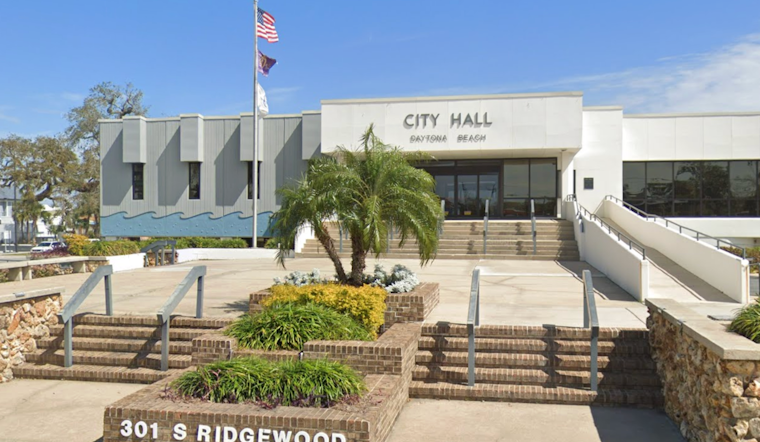
Daytona Beach city leaders are weighing changes to the fees vendors pay during the city's biggest annual moneymakers, Bike Week and Biketoberfest, in a push to get more empty lots filled with year-round businesses instead of temporary tents and trailers. The proposal has put city officials and permanent shop owners on opposite sides of a debate over who should pay what during the rallies that flood Daytona Beach's streets with hundreds of thousands of visitors.
According to FOX 35 Orlando, city leaders discussed how vendor permits are impacting local businesses and are weighing a proposed fee change for business owners during the city's busy bike weeks, with the stated goal of incentivizing more permanent, year-round businesses to move into empty storefronts and lots. The discussion follows a meeting on August 7 in which members of the Daytona Beach Main Street Merchants Association gathered to talk through how the proposed increases to Bike Week and Biketoberfest vendor permit fees would hit their bottom lines, according to a Facebook post from the association. Merchants there argue that higher fees or looser rules for itinerant vendors could undercut brick-and-mortar shops and tattoo parlors that pay taxes in Daytona Beach twelve months a year, not just during the rallies.
How the Current Fee Structure Works
Under the city's existing Master Plan guidelines, property owners who sublease parking lots and outdoor space to temporary vendors during the rallies pay a base permit application fee of $300 plus 12 cents per square foot of outdoor vending space, per the City of Daytona Beach. That rate has been a sticking point for over a year. During a public workshop on Bike Week Master Plan guidelines in February 2025, city officials floated raising itinerant vendor fees to match higher rates charged by smaller regional events like the Leesburg Bikefest, according to WKMG News 6. That workshop drew heated pushback from local business owners and tattoo shop operators, with administrators at the time questioning why Daytona Beach charged less than smaller rallies despite pulling in far bigger crowds.
Separately, proposed revisions to the city's Land Development Code would allow Temporary Promotional Activity permits to cover up to 900 square feet and let year-round retail businesses sell products outside their usual line of business anywhere on their own property during the rallies. Current rules restrict how much space those permits can cover and limit what merchandise a business can sell to items tied to its primary license, per the same city communication. Supporters of the change frame it as a way to let permanent merchants cash in on the crowds without opening the door wider to outside vendors.
The Stakes: Hundreds of Millions in Rally Spending
The numbers explain why the fight over a few hundred dollars in permit fees carries so much weight downtown. The 85th annual Daytona Beach Bike Week ran from February 27 to March 8 this year and brought an estimated 500,000 visitors into Volusia County over its ten-day run, according to city figures, temporarily multiplying the city's resident population nearly tenfold. Research cited by Riders Share estimates that Bike Week and its fall counterpart, Biketoberfest, together generate between $100 million and $600 million in direct and indirect local spending each year, covering everything from lodging and dining to fuel and retail sales across the county.
The next test of any new fee structure will come fast. The 34th annual Biketoberfest is set for October 15 through 18, expected to draw more than 100,000 motorcycle enthusiasts and hundreds of vendors to venues across Daytona Beach and Volusia County, according to the Daytona Beach Area Convention & Visitors Bureau. Whatever the city commission decides on vendor permits will govern that event too, since Biketoberfest operates under the same Master Plan rules as its spring counterpart.
Noise Rules and Budget Pressure in the Background
Vendor fees aren't the only regulation tied to the rallies. City noise rules require outdoor amplified music on commercial properties to step down sound levels incrementally starting at midnight, with a complete shutdown mandated by 2:45 a.m., under guidelines the city adopted in 2019. Those rules are meant to balance the entertainment revenue rally season brings against noise complaints from nearby residents.
The fee debate is also unfolding against a backdrop of budget scrutiny at city hall. State legislative audits cited Daytona Beach for eight separate accounting findings this past May, prompting city commissioners to take a harder look at permit fee revenues and municipal cost recovery more broadly, according to a video posted by a city official on Facebook. That scrutiny adds another layer of pressure on commissioners weighing whether to raise fees on vendors or lean more on permanent businesses to fill the city's coffers.
Public Safety Costs Add to the Calculus
Hosting crowds in the hundreds of thousands also means paying for extra policing. Ahead of this year's rallies, Daytona Beach police opened a new satellite station near the Boardwalk, a move that came after incidents like a hit-and-run crash on Harvey Avenue on March 7 that injured two pedestrians, as previously reported by Hoodline. High pedestrian density along Main Street and the beachside corridors requires extra law enforcement staffing during Bike Week and Biketoberfest, adding to the city's costs for hosting events that also drive its biggest revenue swings of the year.





