

























































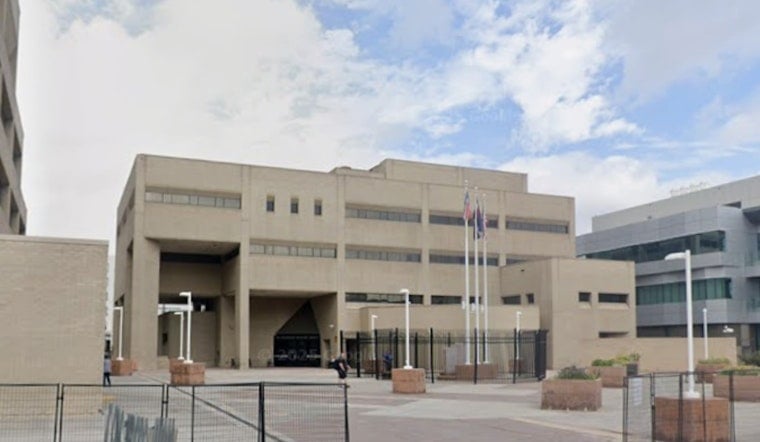
Denver has added roughly 70 to 75 sworn police officers over the past two years, but as of August 14, 192 of the department's vehicles sat out of service for mechanical repairs, with another 49 sidelined from collisions. The shortage has grown severe enough that officers are now sometimes required to share a single patrol car for a shift, a workaround that undercuts the very staffing gains city leaders have touted.
“Denver Police Department has hundreds of vehicles,” Denver Police Sgt. Ron Thomas said, describing a fleet that includes patrol cars, SUVs, motorcycles and specialized units, according to the Denver Gazette. When there aren't enough serviceable vehicles for every officer to operate independently, two officers end up sharing one patrol car, and that arrangement can cover only a single call at a time. “Kind of defeats the purpose” of adding more cops, Thomas said, if there aren't enough working cruisers to put them in.
Two-officer call cars can impact response times, since a shared vehicle covers one call where two separate cars could respond to two. That matters in a department whose average overall response time already stood at 15 minutes and 19 seconds in early 2025, according to city dashboard data reported by Westword. The same outlet noted that a December 2024 audit from the Denver Auditor's Office found the city's 911 system met nationally accepted answering times only 73% of the time, prompting calls for 41 additional dispatch staff.
A Mechanic Shortage Behind the Bottleneck
The root problem, per the Denver Gazette's reporting, is not a lack of vehicles overall but a lack of people to fix them. DPD has 1,236 vehicles assigned to it, but the department's fleet maintenance facility is authorized for 36 staff positions and is only staffed at roughly 72 percent, leaving a shortfall of about 10 people. Mechanics and body shop workers have left for higher-paying private-sector jobs, the Denver Gazette reports, and the department lost 40 percent of its mechanics and body shop workers back in August 2020.
The wage gap helps explain the exodus. City of Denver postings for entry-level fleet technicians in 2026 offered between $28 and $32 an hour, while private commercial mechanics in the metro area were being offered starting wages above $45 an hour, according to postings from the city and from BNSF Railway. Denver's municipal fleet maintenance, which serves multiple city agencies including DPD, is overseen by the Department of Transportation and Infrastructure, which runs centralized service hubs including the Roslyn and Central Platte facilities. Those facilities operate Monday through Friday from 6 a.m. to 4:30 p.m., and DPD fleet management is not a 24-hour operation. The Denver service center and body shop have at times reduced their hours, with the service center closed one day per workweek and the body shop closed one day per workweek due to limited staffing.
Officials Say Daily Operations Aren't Compromised
Denver Police spokesperson Doug Schepman said technicians are completing as many repairs as possible within current staffing and budget constraints, per the Denver Gazette's reporting, and that the department cannot say with certainty how long it will take to clear the vehicle backlog. Still, Schepman said DPD is fully capable of meeting daily emergency response and public safety needs, and that the department is focusing on hiring technicians and restoring out-of-service vehicles rather than expanding the overall size of the fleet.
The backlog is not without precedent. In 2021, about 120 police cars sat out of service awaiting repairs, representing roughly 8 percent of the fleet, figures that put the current 192-vehicle mechanical backlog in a longer-running context. DPD's marked district patrol fleet currently averages 54,904 miles, and 117 district patrol vehicles have logged at least 80,000 miles. Denver typically targets patrol car replacement after five years or 75,000 miles, though federal guidelines recommend replacing gasoline-powered fleet vehicles after seven years or 65,000 miles.
New Purchases, but No Quick Fix
The Denver City Council recently authorized $575,245 for 11 four-wheel-drive SUVs, intended to replace vehicles dating from 2013 through 2019, and the city has authorized replacement of nearly 140 vehicles in 2025. Those purchases are part of the department's routine replacement plan and are not, officials say, a response to the current maintenance backlog. DPD is also exploring electric vehicles for nonpatrol assignments through partnerships with other city agencies.
None of that addresses the mechanic shortage driving vehicles off the road in the first place, and the fiscal backdrop leaves little room for a fast fix. Public Safety accounts for roughly $643 million of Denver's $1.66 billion general operating budget, according to Colorado Politics, yet Mayor Mike Johnston characterized the 2026 budget as cut to the bone after proposing a 5.8% cut to the general fund to close a $200 million citywide shortfall tied to declining sales tax revenue. Denver had already reallocated $45 million across agencies in early 2024 to fund a migrant support program, a shift that included an $8.4 million reduction to DPD's own budget, according to the Common Sense Institute.
Fixed Costs Are Rising Even as Revenue Stays Flat
Denver approved multiyear collective bargaining agreements in 2025 granting across-the-board raises to police officers and firefighters, locking in higher labor costs even as the city's revenue outlook remains flat. Mayoral spokesperson Jon Ewing said departments may need to get creative to balance rising costs around materials, services or labor, Colorado Politics reports. City officials expect the 2027 budget to look similar to 2026, though the outlook will become clearer when Johnston delivers his proposed 2027 budget in September; the Denver City Council currently has Johnston's baseline budget in hand.
Budget pressure has already forced other tradeoffs. City leaders paused the Public Safety Cadet Academy entirely for both 2025 and 2026, cutting off a pipeline of non-sworn support staff for police and sheriff operations. Thomas has separately asked the city to fund unplanned and unfunded overtime tied to numerous protests and officer-involved shootings, as well as shortfalls in DPD separation payouts.
Technology Fills Some of the Gap
With cruisers scarce, DPD has leaned on other tools to stretch its patrol capacity. The department's Drone as First Responder program, launched in October 2025, saw aerial drones arrive on scene ahead of ground patrol officers in more than 80% of its first 215 service calls, as Hoodline previously reported. The drones help determine whether an in-person response is actually necessary, potentially easing pressure on a limited number of working cruisers.
DPD dispatches officers per unit, meaning every vehicle sidelined for repairs directly limits how many separate calls the department can answer at once. Whether the 2027 budget carves out dedicated funding to rebuild the fleet maintenance workforce, or whether officers keep sharing cruisers while the mechanical backlog persists, remains an open question that will likely sharpen once Denver's budget picture comes into focus next month.





