

























































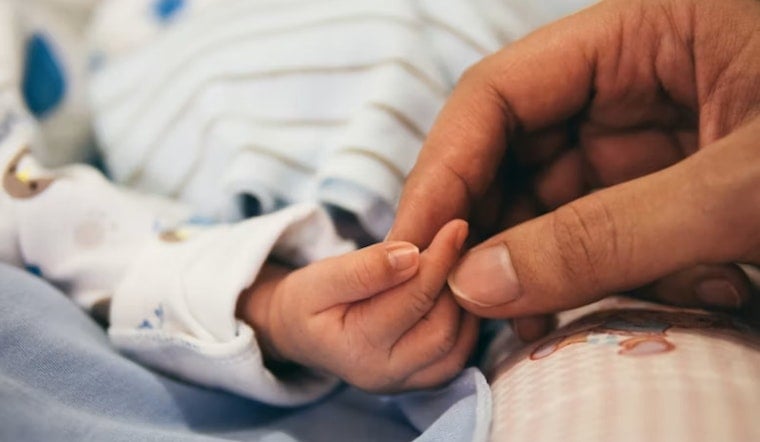
Sebastian Moncivais weighed just 1 pound 2 ounces when he was born in Denver on September 11, 2025, more than four months before his due date. His mother, Vivian Hernandez, had been told weeks earlier that her son had only a 3% chance of surviving to delivery. Nearly a year later, Sebastian is home, growing, and hitting developmental milestones based on his adjusted age.
Hernandez's water broke at just 18 weeks of pregnancy, a condition known as preterm premature rupture of membranes, or PPROM, according to KUSA-TV Denver. Doctors initially told her the baby would likely arrive within five days and be considered a miscarriage, according to the seed report from Boston 25 News. Instead, Hernandez's pregnancy continued for four more weeks, and Sebastian was ultimately delivered at 22 weeks and one day gestation — a point doctors describe as the threshold of potential survival.
A Fragile First Hour
Babies born at 22 and 23 weeks sit at what neonatologists call the edge of viability, and getting them through what's known as the golden hour — securing umbilical lines and respiratory support within the first 60 minutes of life — is critical, per the same account from the seed report. Doctors were concerned about whether Sebastian's lungs would function at all with the respiratory support available to him. He experienced periods of very low oxygen levels and a low heart rate, and at one point doctors gave him a tiny fluid bolus that he responded to, buying his medical team more time.
Emma Harding, a neonatologist at HCA HealthONE Rocky Mountain Children's, was part of the team that cared for Sebastian. Physicians there used steroids before birth to help his lungs develop, along with medicines and breathing support afterward to keep his fragile lungs open, and specialized feeding tubes and IV nutrition to help him grow, according to the seed report. HCA HealthONE Presbyterian St. Luke's, where he was born, is the only medical facility in the Rocky Mountain region operating both a Level IV Neonatal Intensive Care Unit and a Level IV Maternal Care program, according to HCA HealthONE.
113 Days Before Going Home
Sebastian spent nearly two months on a mechanical ventilator and required intravenous nutrition during his time in the NICU, where he survived infections and respiratory crises over the course of 113 days, the station's report states. He was discharged from HCA HealthONE Rocky Mountain Children's and came home on Mother's Day weekend in May, joining his big sister. Hernandez, who had been trying for years to have another baby, now weighs 14 pounds and is expected to grow into a normal, healthy boy, according to the seed report.
“I truly believe now that miracles do happen because I am living proof, and I hold my miracle every day,” Hernandez said, per Boston 25 News. Advances in neonatal care are giving more fragile newborns like Sebastian a chance to survive, though doctors caution that babies born this early still need close follow-up for lung health, development, feeding, vision, and hearing as they grow.
How Rare Is Sebastian's Survival
Sebastian's case reflects a broader shift in how U.S. hospitals approach the most premature births. Among live-born infants at 22 weeks gestation who received active life support in Level 3 and Level 4 NICUs nationwide between 2020 and 2022, overall survival to hospital discharge reached 35.4%, according to a study cited by PubMed. Separate national natality data analyzed in 2026 found that active perinatal treatment — including antenatal steroids, surfactant, and NICU admission — cut the one-year mortality hazard by 63% for 22-week live births compared with non-active management.
A 2025 clinical review on previable PPROM under 23 weeks found that the gestational age at rupture and the length of time a pregnancy continues afterward are the strongest predictors of a newborn's survival and survival without severe complications, according to research published on PubMed Central. About one in 10 babies born in the United States arrives preterm, and in Colorado specifically, 10.0% of live births — 6,398 infants — were born preterm in 2024, earning the state a C grade on the 2025 March of Dimes report card.
New State Support for NICU Families
For context on just how extreme Sebastian's odds were, the world's most premature surviving baby, Curtis Means, was born in Birmingham, Alabama, at 21 weeks and one day gestation, weighing 14.8 ounces, according to Guinness World Records. Colorado has also moved to ease the burden on families facing extended NICU stays like Hernandez's: the state enacted legislation establishing paid neonatal leave beginning in 2026, extending family leave benefits specifically to help parents navigating hospitalizations that frequently stretch past 100 days, per HCA HealthONE.
Hoodline has covered similar stories of extremely premature infants defying long odds, including a 167-day NICU stay in Walnut Creek. For now, Sebastian is simply home in Denver with his family, gaining weight and hitting the milestones his medical team measures against his adjusted age rather than his birth date.





