

























































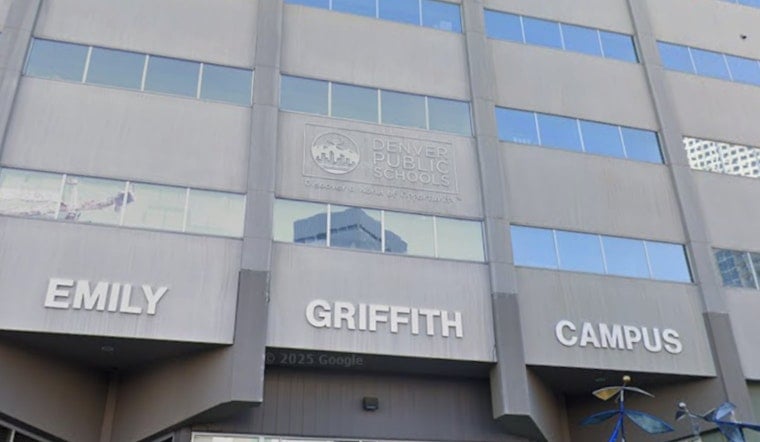
The Denver Public Schools board voted unanimously to send a $43.9 million mill levy override to voters this November, asking homeowners to pay an average of $72 more per year to fund teacher raises, mental health support, and career-technical programs. The vote comes less than two years after Denver voters approved a record-setting $975 million school bond, and it marks the district's first request for new operational tax revenue in years amid falling enrollment and shrinking state aid.
If approved, the override would raise the district's maximum annual mill levy override revenue by $44 million, according to The Denver Gazette. The measure would push the typical Denver single-family home's DPS-specific property tax bill from about $2,276 projected for this year to roughly $2,375, an increase the district pegs at about $72 annually for the average homeowner. That bill has already climbed nearly 54% since 2020, when the typical DPS tax bill sat at $1,480.
District superintendent Alex Marrero thanked Denver voters for their continued support of education in DPS, according to the same report. Board chair-adjacent advisory committee co-chair Vernon Jones Jr., founder of FaithBridge Colorado, said the district needs the investment to become the district it aspires to be — a sentiment echoed through six public hearings the advisory committee held across the city before finalizing its recommendation this June.
Where the Money Would Go
The proposed override would direct $25.8 million toward raises for all district employees, including a flat $1,750 base increase for every worker. DPS Chief Finance Officer Chuck Carpenter has said that flat raise was designed to give lower-paid staff a bigger percentage boost than a proportional raise would provide. Carpenter has also said that while DPS educator base salaries rank among the highest in Colorado, according to Front Porch, rapid increases in Denver housing and healthcare costs since 2015 have made it harder for the district to retain staff.
Beyond raises, the plan sets aside $4.9 million for mental health and special education support and $4 million to expand career and technical education. Charter schools would receive $9.3 million of the total, per state law requiring districts to share override revenue proportionally with charter campuses. The advisory committee had trimmed that charter allocation down from an original district staff proposal of $10.2 million, redirecting the difference toward student support services rather than incentives for hard-to-fill staff positions.
Amber Wilson, a district employee quoted in coverage of the proposal, said teachers currently lack the conditions needed to stay in the profession. The ballot measure also fulfills a commitment the district made in a 2023 collective bargaining memorandum of understanding with the Denver Classroom Teachers Association, which represents roughly 4,000 educators, in which DPS pledged to consider asking voters for a compensation-focused override, as Chalkbeat has reported.
A Legal Ceiling Raised in 2024
The request is only possible because of a 2024 state law, HB 24-1448, that raised Colorado's cap on operational mill levy overrides from 25% to 29% of total program funding. That change lifted DPS's maximum operational override ceiling from $288.9 million to $332.9 million annually, giving the district legal room to seek new revenue even though it already collects $369.6 million a year from seven previously approved overrides dating back to 1988. Those existing levies, approved in 1988, 1998, 2003, 2005, 2012, 2016 and 2020, are collected in perpetuity — a point DPS spokesperson Bill Good confirmed by email, saying all of the district's mill levy overrides remain in effect and will continue indefinitely.
Six of those operational overrides generated about $267.5 million last year, while a 2020 special-revenue override that funded mental health, counseling and staff wage support brought in another $102.1 million. Individually, the 2005 teacher-compensation override generated $41.5 million last year, the 2012 override brought in $93.3 million, and the 2016 override produced $86.3 million.
Enrollment Decline Meets a Shrinking State Share
The push for new local revenue is unfolding against a broader financial squeeze. Denver Public Schools serves roughly 89,000 students across nearly 200 campuses on a $1.5 billion total budget, but enrollment has dropped 4% since 2019 and is projected to fall another 10% by 2029, driven by declining birth rates and high local housing costs, per Westword. Because Colorado ties state education funding directly to student headcount, that decline compounds the district's revenue problem.
Colorado's school finance formula also works so that as local property tax collections rise, state contributions shrink in turn. The state's share of DPS revenue has fallen from slightly more than one-third in 2005 to about 17% two decades later, while local property taxes, which made up about 58% of DPS revenue in 2005, now account for roughly three-quarters of the district's operating budget. That structural shift, tied to Colorado's school finance system and TABOR, has left districts statewide increasingly dependent on voter-approved overrides and bonds.
Coming So Soon After a Record Bond
The timing raises an obvious question for Denver taxpayers: this override request lands less than two years after voters approved Ballot Measure 4A in November 2024, a record $975 million school bond package that passed 75% to 25% without raising the district's tax rate, refinancing existing debt instead to fund building renovations, safety upgrades and air conditioning retrofits. Hoodline previously detailed the district's AC installation push funded by that bond. Notably, a bond option the district considered and rejected would have saved taxpayers about $20 million annually within five or six years, though DPS officials have said they are already laying groundwork for a possible future bond measure within the next two years.
Denver voters will now decide the fate of the $43.9 million override in November. If approved, the new revenue would begin being collected next year, layering onto a local tax base that already funds seven perpetual overrides and comes as the district continues wrestling with enrollment declines, staff retention pressures, and the broader funding gap left by the state's shrinking share of school revenue.





