

























































Nearly 90,000 Detroit children have dental coverage through Michigan's Healthy Kids Dental Medicaid program, yet more than half of those kids aren't using the benefit, according to Covenant Community Care. So this fall, the nonprofit health center is skipping the waiting room entirely and setting up temporary dental clinics inside Detroit classrooms instead.
Covenant's mobile dental program is scheduled to visit 18 Detroit Public Schools Community District buildings and 92 Head Start locations this fall, up from just four DPSCD schools and roughly 40 to 50 Head Start sites when mobile dental manager Kara Bond joined the organization nine years ago. As reported by MLive.com, the team recorded 9,312 mobile dental visits and served 5,533 patients last fall alone. Bond, a registered dental hygienist, told the outlet, “It's really being able to reach people where they are.”
Why Coverage Alone Isn't Getting Kids Into Chairs
Lynn Eickholt, Covenant's chief dental officer, said having insurance does not necessarily mean families can easily access care, per the same account. Transportation remains a significant barrier; finding providers and appointments during traditional business hours can be difficult, and parents often struggle to take time off work just to get a child to a routine cleaning. Cost, meanwhile, generally should not be a barrier for children enrolled in Healthy Kids Dental, since the program provides strong coverage — the access problem is logistical, not financial.
That gap between coverage and actual use isn't unique to Detroit. Michigan's dental benefit utilization rate among child Medicaid beneficiaries was 45% in 2025, compared to 68% among privately insured children statewide, according to the American Dental Association. The state has tried to close that divide before: in January 2023, the Michigan Department of Health and Human Services rolled out an $85 million Medicaid dental redesign that raised provider reimbursement rates to 100% of the Average Commercial Rate, according to the Michigan Dental Association. A separate 12-month value-based payment pilot run by MDHHS and Delta Dental across Wayne, Oakland and Macomb counties boosted Healthy Kids Dental utilization by 4.9%, reaching 196,000 children, per Dimensions of Dental Hygiene.
Building a Clinic Inside the School
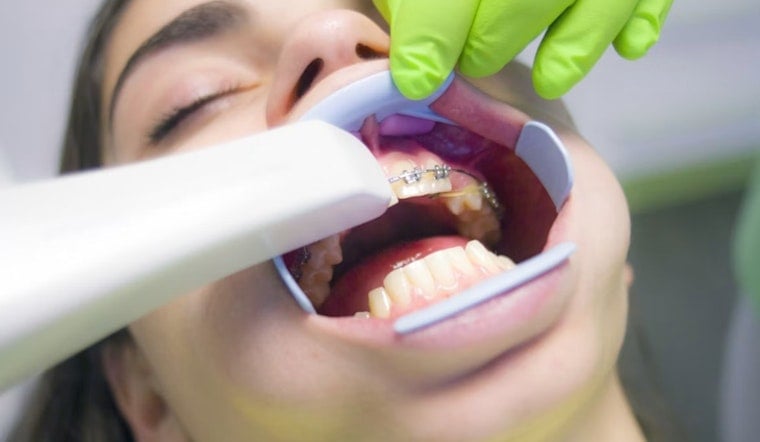
Bond visits classrooms about three weeks before Covenant arrives at a school, giving families time to complete the paperwork required under Michigan common law, which requires written informed parental consent before any dental exam, cleaning, or treatment on a minor. Once the team lands, it typically spends about two weeks building a temporary dental clinic at each school. During the first week, kids get exams, X-rays, cleanings and sealants; in the second week, the team provides basic fillings and extractions when needed and with parental approval. Children can return to class after their appointments, sparing families the school absences that often come with dental emergencies elsewhere.
Bond described what her team routinely encounters once inside the schools, per the MLive report: “There's just a ton of decay.” Covenant regularly sees abscesses, infections and extensive tooth decay involving multiple teeth, which may require several follow-up appointments rather than a single visit. Part of the problem, according to the outlet, is that parents frequently believe cavities in baby teeth aren't a significant concern — even though children can retain some baby teeth until roughly ages 10 to 13, and untreated decay can cause pain, infection, and interfere with a child's ability to eat, sleep, or concentrate in school.
The Limits of a Mobile Clinic
Covenant's mobile team can't do everything on-site. Cases beyond the mobile unit's capabilities — including root canals — get referred to one of the nonprofit's three Detroit clinics, and the organization works with pediatric dental specialists for more complex needs. Covenant can also arrange Lyft transportation for patients who need help reaching those clinics, and it offers a sliding-fee discount based on household income and family size for patients who walk through its doors. For uninsured children treated through the mobile program, Covenant does not send the family a bill.
Founded as a nonprofit in 2000 and designated a Federally Qualified Health Center in 2007, Covenant now serves nearly 20,000 Metro Detroit residents annually across its three Detroit health centers, according to the organization's own account. The mobile program's broader goal, per the MLive report, is to introduce children and families to dental care and connect them with a continuing provider — establishing what amounts to a permanent dental home rather than a one-time school visit.
Demand Outpacing Capacity
Covenant has expanded its DPSCD footprint to 18 schools, and its Head Start reach to 92 locations, with five additional non-DPSCD schools joining this fall. But schools and districts have approached Covenant about bringing the program to their students faster than the nonprofit can accommodate. “Right now we are really at our max,” Bond said, and demand is exceeding Covenant's ability to expand further because the organization doesn't have enough staff and equipment to serve every interested school.
To close that gap, Covenant is raising money for another mobile dental van, which would allow a second team to reach additional schools and children. The stakes of that shortfall extend beyond Detroit: the Michigan League for Public Policy reports that delayed pediatric dental care leads to more than 100 avoidable hospitalizations of Michigan children every year due to severe oral health complications, while national CDC surveillance data from October 2024 found that 18% of U.S. children aged 6 to 8 have untreated tooth decay in their primary teeth, with rates reaching 24.6% among children in high-poverty households. Untreated dental problems also carry a classroom cost — federal survey data analyzed by America's Health Rankings shows U.S. children lose more than 34 million school hours each year to acute or unplanned dental care needs, precisely the kind of disruption Covenant's school-based model is designed to prevent.





