

























































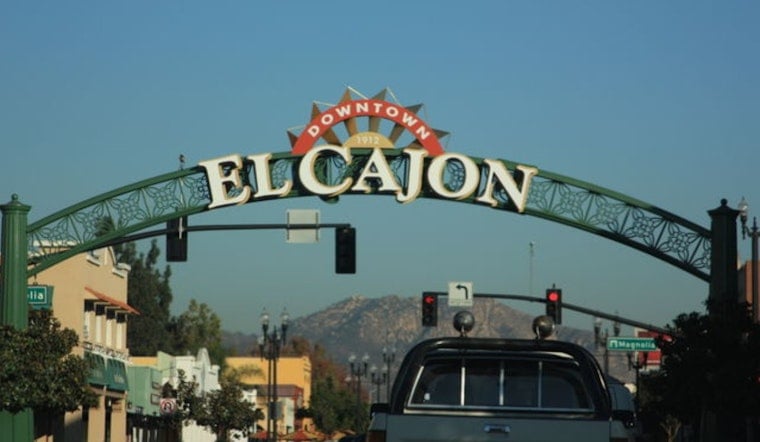
El Cajon is asking downtown property owners to approve a larger, longer-running tax district that would generate nearly $800,000 in first-year assessments, while the public still has a fuzzy picture of where the current district’s millions have gone. The ballot question is not just about cleaner sidewalks; it is about whether a private nonprofit should collect and steer a new stream of special assessments for up to 20 years.
The current property-based improvement district expires at the end of 2026. According to The San Diego Union-Tribune, the proposed replacement would cover about 427 parcels owned by roughly 300 landowners, with ballots scheduled to be mailed on Thursday and votes to be tabulated at a Sept. 15 public hearing. Central city landowners could be charged at least $16 million over two decades, with annual increases built into the plan.
A Bigger District With A 20-Year Clock
The city’s proposed management plan sets the first-year assessment at $793,225 and gives the new Community Benefit District an initial 20-year term. The city’s management plan earmarks about $476,000 for sidewalks, safety and cleanliness; $119,000 for district identity and placemaking; $174,000 for administration and program management; and $24,225 for contingencies.
The menu includes routine sweeping, steam cleaning, enhanced trash pickup, graffiti removal within 72 hours, tree and landscape work, public-space maintenance, events, security teams, branding and social-media promotion. The plan also permits assessments to rise by as much as 7% annually, if approved by the district’s management board.
New City America is not a blank slate in East County. Hoodline previously reported on Li Mandri’s arrival as the district’s new leadership began pitching a more aggressive downtown revitalization strategy, including cleaner public spaces, more events and a stronger business identity.
The Public Ledger Has Numbers, But Not Much Texture
The district’s audited financial statements for the year ending June 30, 2025, show $696,174 in revenue, $645,915 in expenses and $854,232 in total assets. Expenses were grouped into $274,592 for economic enhancements, $250,361 for environmental enhancements and $120,962 for management services.
The broad categories leave plenty of room for questions about the actual work behind the invoices. The audit lists $404,625 in outside contract services, $43,750 for the executive director, $15,594 for marketing, $4,088 for legal expenses and $5,000 for recertification.
The arrangement is not entirely without a paper trail: The San Diego Union-Tribune reports that the district has not disclosed related-party transactions involving directors and senior staff, while the El Cajon City Council does not have authority to approve, reject or control how the district spends its assessments. That means property owners are being asked to approve a substantial long-term tax commitment without the city holding a direct veto over the spending.
The Legal Backstory Is Hard To Ignore
In 2023, the district settled a claim alleging violations of California’s open-meetings law, including problems with meeting notices and how actions were approved, according to East County Magazine. The settlement totaled $27,500, and the episode remains relevant as the same downtown operation seeks a fresh mandate to collect more money.
The association now maintains a public-records page saying documents from the existing organization can be requested for up to seven years after its disestablishment. El Cajon’s municipal code, however, defines the management corporation as a private nonprofit owners’ association, while allowing assessments only against real property.
City Hall Has Money On The Line Too
The city owns property inside the proposed district and would pay an estimated $98,148.80 annually, or roughly 12.4% of the first-year assessment. The city’s staff report says that is about $19,000 more than the city’s historical share, but argues the enhanced services would exceed what the city could provide on its own.
If the new district fails, the existing PBID expires Dec. 31 and the city would take responsibility for maintenance in the former district. City officials also warned that downtown events such as the car show, concerts and Holiday Lights on Main could become harder to sustain under existing budget constraints.
That leaves property owners with a familiar civic bargain: pay more now for a cleaner, busier downtown later. The business case may be persuasive, but the accountability case needs more than broad labels like outside contract services and economic enhancements before a 20-year tax commitment becomes a fait accompli.





