

























































A proposed $365 million multi-use event center near the Dublin/Pleasanton BART Station is dividing Tri-Valley leaders, with one city eager to break ground and another warning it won't spend taxpayer money on a privately run facility. The 100,000-square-foot venue, pitched by Visit Tri-Valley, could be configured for 12 basketball courts or 24 volleyball courts and accommodate up to 5,000 attendees, functioning as both a convention center and a performing arts space.
According to reporting by the San Francisco Chronicle, Visit Tri-Valley is proposing a regional Joint Powers Authority to govern the project, which would lease a 12-acre site from Alameda County for just $1 a year over a 99-year term. The authority would issue long-term revenue bonds to cover much of the construction cost, to be repaid through a mix of tourism-business assessments, property-tax increments, venue income, hotel assessments, naming rights and ticket surcharges, per the Chronicle's account. Visit Tri-Valley has also requested an initial $350,000 from Alameda County to cover survey costs and design review.
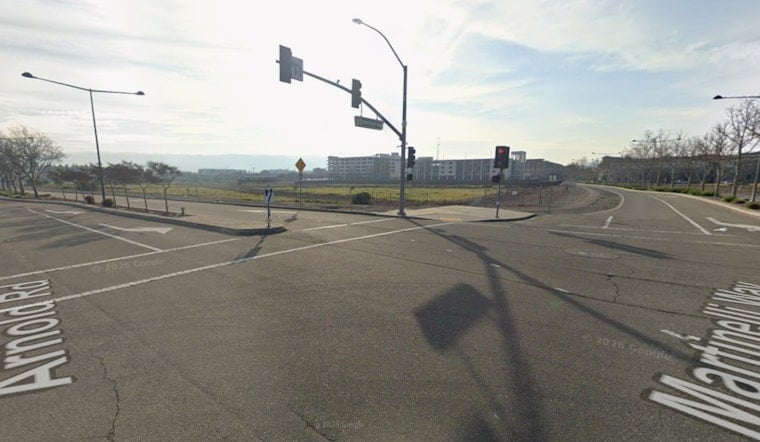
The Dublin site sits at the corner of Martinelli Way and Arnold Road, adjacent to Interstate 580 and the BART station, according to Patch, which reported that Visit Tri-Valley picked the location in December 2024 after a year-long market study with JLL Global Tourism and Destination Advisory. That study, conducted between 2023 and 2024, initially evaluated candidate sites across Dublin, Pleasanton and Livermore before settling on the Dublin location, Patch's earlier coverage noted. The site also connects directly to the Iron Horse Regional Trail, a 32-mile path running from Concord to Livermore, according to Alameda County documents.
Dueling Budgets, Dueling Enthusiasm
Not every city in the Tri-Valley is on the same page. Pleasanton Interim City Manager Joe Calabrigo has expressed unease about the project's fiscal impacts, and the Pleasanton City Council has indicated no support for the project at this point, per the Chronicle. Calabrigo said public money for a privately owned and operated facility would not be a high priority for Pleasanton, a city grappling with a $7 million structural deficit in its general fund.
Dublin, by contrast, recorded a budget surplus in 2025, though city officials predict the possibility of an operating deficit by 2030 and are still evaluating the feasibility of using city funds for the project, the Chronicle reported. Dublin Mayor Sherry Hu said she is cautiously optimistic about the project. Alameda County Supervisor David Haubert called the venue an exciting and ambitious project worthy of continued discussion, and directed county staff to work with neighboring cities to address Calabrigo's concerns, according to remarks reported this week.
Pleasanton is also asking voters in November to approve a hotel-tax increase that could generate about $2.8 million annually — separate from the arena debate but part of the same fiscal backdrop shaping the city's caution. Meanwhile, project proponent Tracy Farhad said the venue will generate revenue for cities involved, with Dublin and Pleasanton tax increments projected to generate up to $5 million annually for each city, and Farhad has said she plans to break ground by the end of 2027.
Regional Fee Structure Faces Wider Test
The funding debate extends beyond Dublin and Pleasanton. In May, Tri-Valley municipal leaders asked neighboring city councils, including Danville, to weigh a proposed regional Tourism Improvement District that would collect a 0.5% fee on gross revenue from tourism-related businesses, along with a $3 per night hotel-stay charge, according to Patch. Danville town staff estimated that local businesses would contribute roughly 11% of the total project revenue generated through that regional district. That $3 charge would come on top of the existing $4 per occupied room night that Tri-Valley hotel guests already pay to fund regional tourism marketing.
Visit Tri-Valley has pointed to sports tourism's track record in the region to make its case: between 2018 and 2024, sports tourism drew more than 107,000 attendees and generated 33,000 hotel room-night bookings across the Tri-Valley, according to the organization. Direct travel-related spending in the region reached $631 million in 2023, supporting roughly 4,490 local hospitality jobs, per Visit Tri-Valley figures. Proponents project the finished facility could annually generate $120 million in economic activity, bring 318,500 attendees to the region, create 500 permanent jobs and produce 64,000 new hotel room stays a year, per estimates attributed to Dan Fenton and cited by the Chronicle.
How It Stacks Up Against Existing Venues
The Tri-Valley's current primary event venue, the 267-acre Alameda County Fairgrounds in Pleasanton, offers more than 130,000 square feet of indoor meeting and exhibit space spread across 10 buildings, with its largest single facility totaling 32,500 square feet, according to the City of Pleasanton and fairgrounds data. Proponents project the new 100,000-square-foot facility would host activity on more than 185 event days annually once completed, per earlier Patch coverage.
Elsewhere in the Bay Area, comparable venues illustrate the scale of investment such projects require. Oakland's Henry J. Kaiser Convention Center, owned by the city of Oakland, reopened in January after a $100 million restoration. San Francisco's Moscone Center, owned and operated by the city and county of San Francisco, added 157,000 square feet of convention space in an expansion that cost $551 million, funded two-thirds by hotel-room assessments and one-third by the city, the Chronicle noted.
The Dublin project still faces multiple rounds of state and county approvals before construction can begin, and officials expect the build itself to take up to two years once it starts. Alameda County, Dublin and Pleasanton would all be expected to fund the project through taxpayer dollars under the current framework, according to the Chronicle's reporting — a structure that remains unresolved as cities continue negotiating their respective shares.





